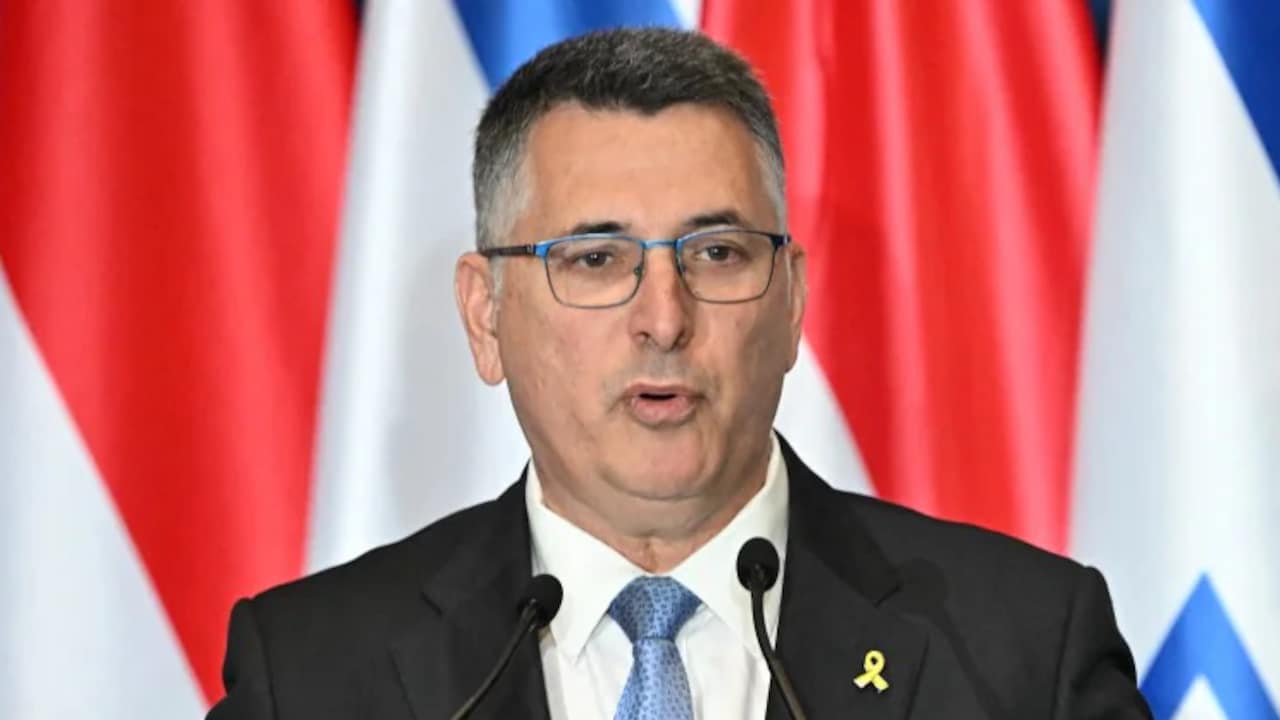
Geopolitical statements rarely arrive in a vacuum. When Israeli Foreign Minister Gideon Saar stepped up to microphones during a diplomatic visit to Slovenia, his words carried immediate weight across international capitals. He made it clear that the government holds no official blueprint to expel or deport individuals from the Gaza Strip. Instead, the diplomatic messaging draws a hard line between forced displacement and individual migration choices.
You need to understand the background driving these headlines. For months, hardline voices within various political circles floated proposals centered on emptying the war-torn enclave entirely. These ideas often framed population transfer as a voluntary choice, pinning the blame on Hamas for trapping residents. Saar's recent declarations attempt to shift that narrative toward standard international definitions of movement, stating that anyone wishing to depart independently—provided a third-party nation agrees to host them—won't face state-level opposition from Israel.
The Diplomatic Shift Behind the Headlines
Context matters. Saar delivered this policy clarification in Ljubljana during a ceremony marking the opening of a brand-new Israeli embassy. Slovenia represents an interesting test case for European diplomacy. Under its previous center-left administration, the country stood as one of the fiercest European critics of military actions in Gaza. The transition toward closer ties under a different political alignment changed the room's temperature entirely.
Standing alongside his hosts, Saar expressed gratitude for international solidarity during high-stakes diplomatic isolation. Opening a diplomatic mission in central Europe isn't just about raising a flag. It signals a calculated effort by Jerusalem to shore up European partnerships while the broader diplomatic community remains deeply fractured over post-conflict governance.
Breaking Down Voluntary Migration Claims
The phrase "voluntary migration" triggers immediate alarm bells among human rights monitors and regional analysts. Critics argue that when infrastructure collapses completely and daily survival becomes nearly impossible, choice ceases to exist. Mass displacement under duress looks remarkably like forced removal, regardless of semantic gymnastics used in press briefings.
On the other side of the debate, proponents of the foreign ministry's stance point to historical migration patterns from other global combat zones. People flee active battlefields every day if borders open up. The core sticking point remains straightforward: international law forbids forced transfer. By framing departures as strictly voluntary and conditional on a willing host country, the foreign ministry tries to navigate legal minefields while addressing domestic political pressure from right-wing factions.
What This Means for Regional Stability
If you look past the diplomatic pleasantries, the humanitarian reality inside Gaza remains desperate. Two million people are caught in the crossfire, waiting for an end to hostilities that feels perpetually out of reach. Declarations about voluntary exits sound neat on paper, but practical implementation depends entirely on external nations stepping up to accept displaced populations—something most countries remain reluctant to do on a large scale.
Look at the broader regional puzzle. Neighboring countries like Egypt and Jordan have slammed the door shut on any scenario involving permanent mass migration from Gaza, fearing it permanently destroys any possibility of a viable Palestinian state. Without regional buy-in, statements about third-party acceptance remain theoretical exercises rather than actionable policy.
Watch how European capitals respond to these specific assurances. If countries view this diplomatic clarification as genuine policy restraint, diplomatic channels might open up further. If they view it as political cover for long-term demographic engineering, trust will erode even faster.
Take practical steps to read between the lines of official government statements. Strip away the diplomatic charm offensive and look at the actual logistics on the ground. Real security and stability require tangible humanitarian rebuilding, not just carefully worded press conferences in friendly European capitals.