Washington just drew a hard line in the sand, and Asia's economic heavyweights are refusing to cross it. The White House and congressional allies are pushing hard against the ongoing energy trade between Moscow and major Asian buyers, demanding an immediate halt to discounted petroleum imports. But reality on the ground is far more complicated than simple geopolitical rhetoric suggests.
When US lawmakers target India and China over their energy purchasing decisions, they ignore basic economic survival. Nations with billions of citizens cannot simply flip a switch and abandon cheap fuel sources without plunging their own domestic industries into chaos. New Delhi has made its stance crystal clear: protecting national energy security always comes before satisfying foreign policy demands issued from thousands of miles away.
The Anatomy of the New Washington Push
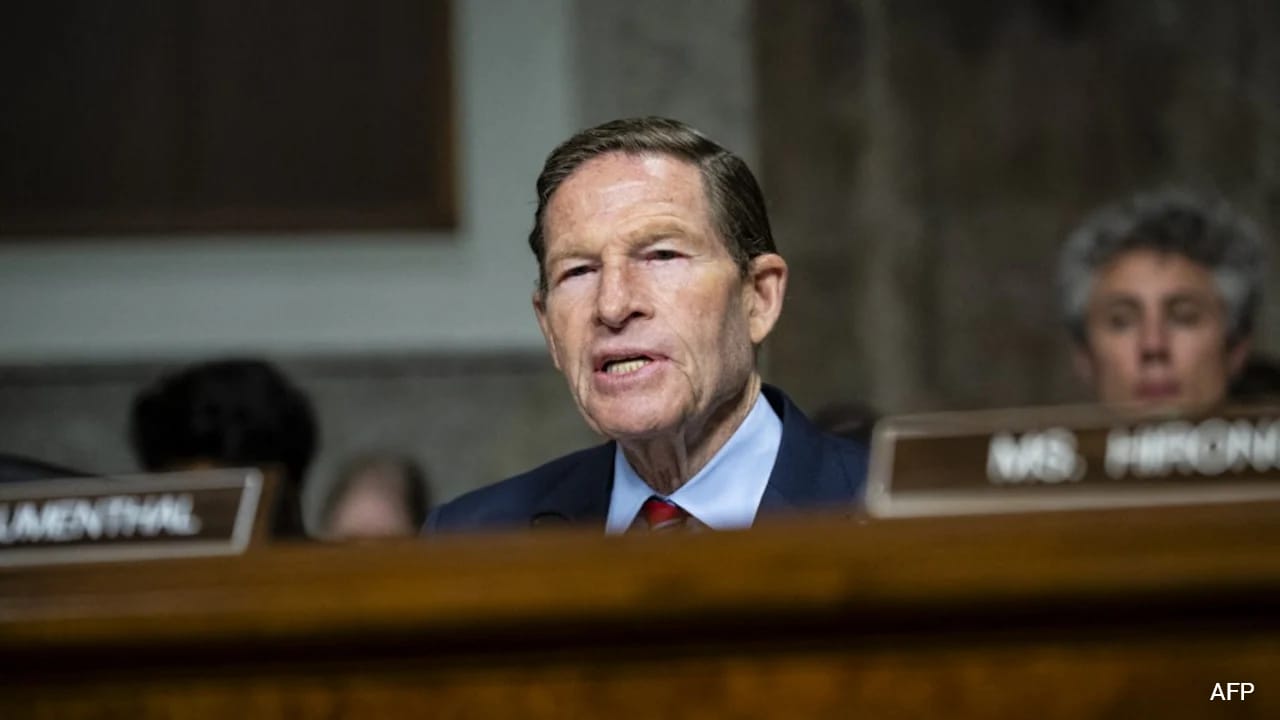
The latest legislative maneuver centers around heavy-handed secondary measures designed to squeeze Moscow's wartime budget. The proposed framework includes steep retaliatory tariffs of up to one hundred percent on top importers of Russian oil and natural gas. Lawmakers claim this will force the Kremlin to the negotiating table.
Yet, treating sovereign trading partners like junior players rarely yields diplomatic success. Beijing and New Delhi have built resilient supply chains that bypass traditional Western financial architecture, using shadow fleets and alternative currencies to insulate themselves. Threatening massive trade penalties might sound tough on Capitol Hill, but it risks fracturing crucial strategic alliances in the Indo-Pacific region.
Why India Will Not Back Down
You have to look at this from New Delhi's perspective. Energy isn't a political bargaining chip for India; it is the lifeblood of a growing economy. When Western sanctions hit global markets following the escalation in Ukraine, inflation spiked globally. Buying discounted Russian crude allowed India to stabilize domestic fuel prices, curb runaway inflation, and keep manufacturing plants running.
Stopping those imports overnight would instantly punish ordinary citizens with surging utility bills and higher transport costs at the pump. No elected government in a functioning democracy will willingly self-sabotage its own economy just to align with foreign sanctions it never signed off on. Ministry officials in New Delhi have already warned Washington that these heavy-handed tactics risk doing permanent damage to bilateral relations.
The China Factor and Global Market Reality
China operates on an entirely different scale. Beijing views Western pressure through the prism of strategic competition and energy independence. Sourcing heavily discounted energy from Russia helps China lower its industrial production costs, giving its exports an edge in global markets. Beijing isn't going to surrender that structural advantage because a US senator tells them to clean up their act.
Attempting to isolate two of the world's largest energy consumers creates unintended consequences. If India and China are forced out of the market for Russian crude, they will aggressively compete for Middle Eastern and African supplies, driving up spot prices for everyone else. Global energy markets are interconnected vessels. You cannot squeeze one side without causing a massive bulge somewhere else.
What Comes Next for Global Energy Flows
The upcoming months will test just how far Washington is willing to push its enforcement mechanisms. If the administration actually implements aggressive tariff penalties, expect rapid retaliation and trade adjustments. New Delhi and Beijing have already established alternative payment channels and logistics networks that are difficult for Western regulators to police effectively.
Economic coercion has limits. When powerful nations face existential demands regarding their energy security, they find ways to adapt. Washington's ultimatum is loud, but the economic gravity of cheap oil speaks louder.