Mountain flying changes the rules of aviation instantly. When a Cirrus SR22T light aircraft slammed into a steep mountain slope near the Swiss resort town of Leukerbad, it reminded everyone of the unforgiving nature of alpine airspace. Three people died in that wreckage, including two British nationals. One of the victims was later identified as Owain Davies, a 55-year-old Welsh businessman and experienced pilot.
If you track general aviation accidents in Europe, the Swiss Alps consistently stand out as a graveyard for small planes. People look at picturesque peaks and think about the view. They forget about microclimates, sudden downdrafts, and terrain that leaves zero room for error.
What Actually Happened Above Leukerbad
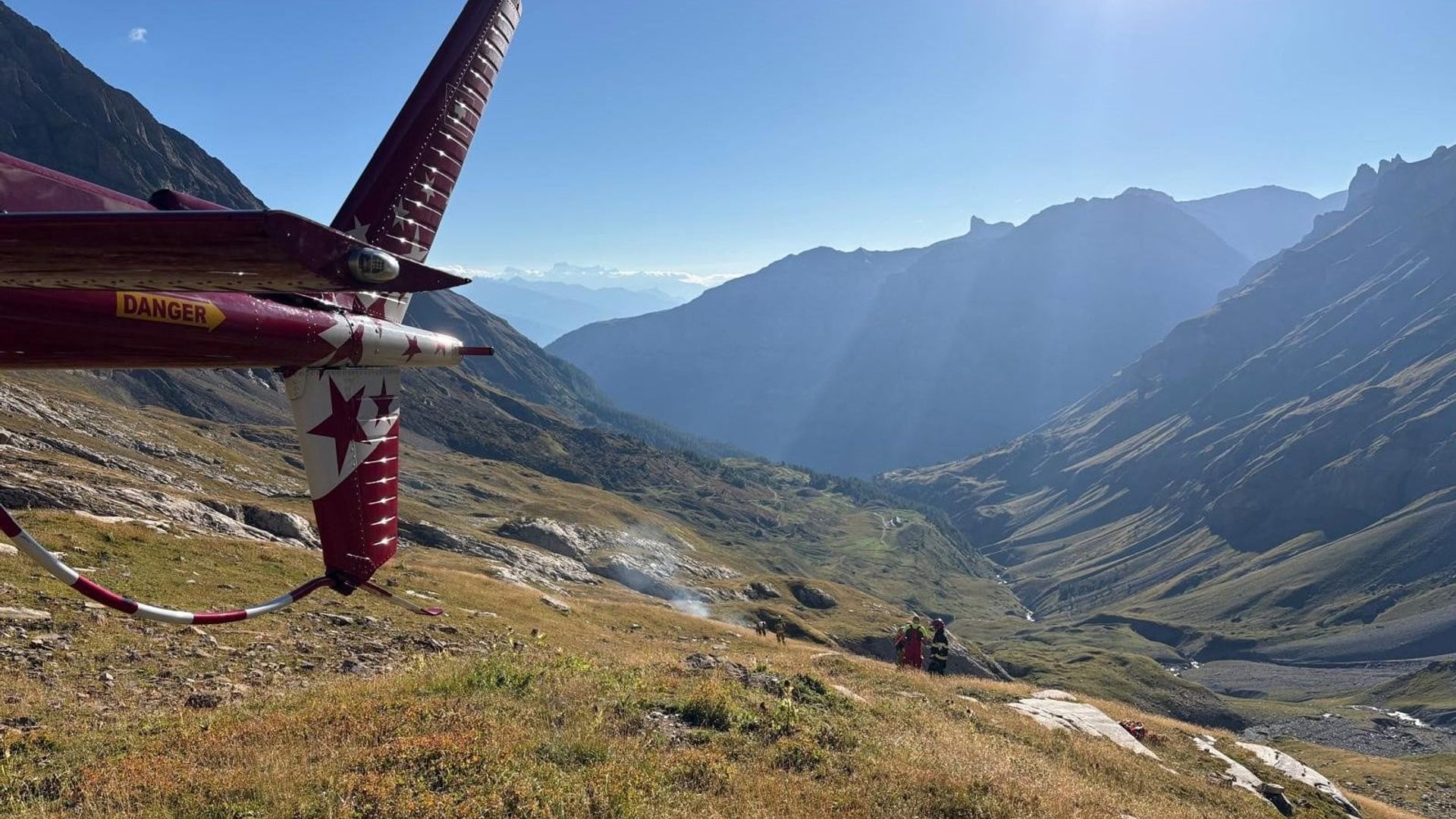
The flight started with routine logistics. The single-engine Cirrus SR22T lifted off, made a stopover at Sion airport in the Rhône Valley, and pointed its nose toward its next destination. Roughly ten minutes after taking off from its stop, the aircraft collided with a north-facing slope in the Fluhalp area.
Local residents saw smoke and fire pouring from the impact zone. Emergency services scrambled three rescue helicopters and specialized mountain teams, but it was too late. All three occupants were dead before help arrived.
Right now, multiple agencies are picking through the wreckage. The Swiss Safety Investigation Authority (SUST), the Office of the Attorney General, and Valais cantonal police have launched concurrent inquiries. They want to know why a sophisticated, parachute-equipped modern aircraft flew straight into a mountain face.
The Hidden Dangers of Alpine Aviation
Flying light aircraft through Switzerland isn't like cruising across flat countryside. Mountain weather shifts in minutes. Clear skies turn into blinding whiteouts or severe turbulence without warning.
Valais canton is notorious for treacherous winds. When heavy air rolls over high ridges, it creates powerful downdrafts that can push a small plane down faster than its engine can climb. Even seasoned pilots get caught out. You can have thousands of hours under your belt, but physics in the Alps doesn't care about your resume.
Terrain clearance is the other major killer. Valley floors sit high, and surrounding peaks rise sharply. If a pilot misjudges cloud cover or gets boxed in by narrowing canyons, turning around becomes mathematically impossible.
The Human Cost Behind the Headlines
While investigators look at flight logs and radar data, families are dealing with total devastation. Tributes poured in for Owain Davies, who ran an engineering firm in Wales. His family described him as a passionate aviator, a mentor, and a dedicated father. Losing someone abruptly in an alpine crash leaves a unique kind of grief.
The British Foreign, Commonwealth and Development Office confirmed it is offering consular support to the families of the British victims. Meanwhile, the identity of the third occupant remains unconfirmed pending formal police identification processes.
Safety and Next Steps
General aviation safety in mountainous regions relies on brutal honesty from the pilot's seat. Too many people push through marginal weather because they have a schedule to keep.
If you fly small aircraft, respect the terrain. Check local density altitude, study valley wind patterns, and never hesitate to turn back when the weather turns sour. The mountains will still be there tomorrow. You need to be, too.