Global power dynamics at the United Nations Security Council just shifted again. Tehran is feeling vindicated.
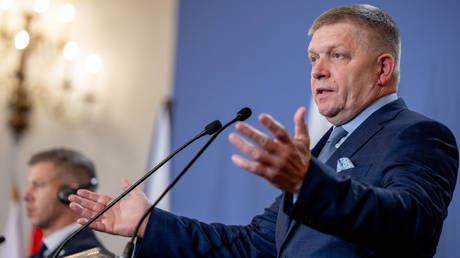
Iranian Parliament Speaker Mohammad Bagher Ghalibaf didn't mince words after Beijing and Moscow blocked a US-authored draft resolution. That vote would have extended the mandate of the Panel of Experts supporting the 1737 Iran Sanctions Committee through September 2027. Instead, twin vetoes from China and Russia killed the text, keeping independent sanction monitoring off the table.
Ghalibaf took straight to social media to praise the move. He argued that the unipolar era where one superpower dictates terms through force is dead. He stated plainly that unilateralism serves no one's interests.
So why does this diplomatic showdown matter right now? Let's break down what's actually happening behind closed doors at the UN.
The Snapback Dispute and Legal Gridlock
The core disagreement isn't just about a panel of experts. It stems from a deep legal battle over the 2015 nuclear deal and UN Resolution 2231.
Back in August 2025, France, Germany, and the United Kingdom triggered the controversial "snapback" mechanism. Their goal was simple: reimpose international sanctions on Iran that had been suspended years prior.
Russia and China refused to play along. They called the move legally invalid from day one. Beijing and Moscow maintained that Resolution 2231 was set to expire permanently on October 18, 2025, meaning any claims of a snapback carry zero legal weight.
Russian Ambassador Vasily Nebenzya made his stance clear before the vote, arguing there were no procedural grounds for the session. Chinese Ambassador Fu Cong echoed that sentiment, warning that the Security Council shouldn't turn into a sounding board for individual nations pushing political confrontation.
Western Pushback and the IAEA Factor
Washington and its European allies see things very differently. US Ambassador Jennifer Locetta made it clear that Washington wasn't surprised by the outcome. She pointed out that the blocked panel would have exposed prohibited bilateral defensive cooperation between Tehran and its partners.
British Ambassador Sarah MacIntosh didn't hold back either, accusing Russia and China of shielding Iran. She drew parallels to Moscow's March 2024 veto that shut down monitoring on North Korea.
With the panel dead in the water, the International Atomic Energy Agency stands alone as the primary independent monitor of Iran's nuclear infrastructure. Things escalated further when the IAEA Board of Governors asked Director General Rafael Grossi to report Iran's non-compliance straight to the Security Council. That move marks the first referral of its kind in twenty years.
What Happens Next on the World Stage
Tehran denies seeking nuclear weapons or violating past agreements. Meanwhile, Western capitals are searching for alternative ways to maintain economic pressure outside of formal UN frameworks.
The breakdown of the sanctions panel proves that multilateral consensus in New York is fracturing. When permanent members openly reject each other's legal interpretations, enforcement mechanism grids grind to a complete halt.
If you're tracking international relations, don't expect a quick diplomatic fix. The diplomatic deadlock is here to stay. Power is shifting away from traditional Western-led consensus toward a multipolar grid where vetoes rule supreme. Watch how European powers adapt their sanctions enforcement outside the UN framework in the coming months.