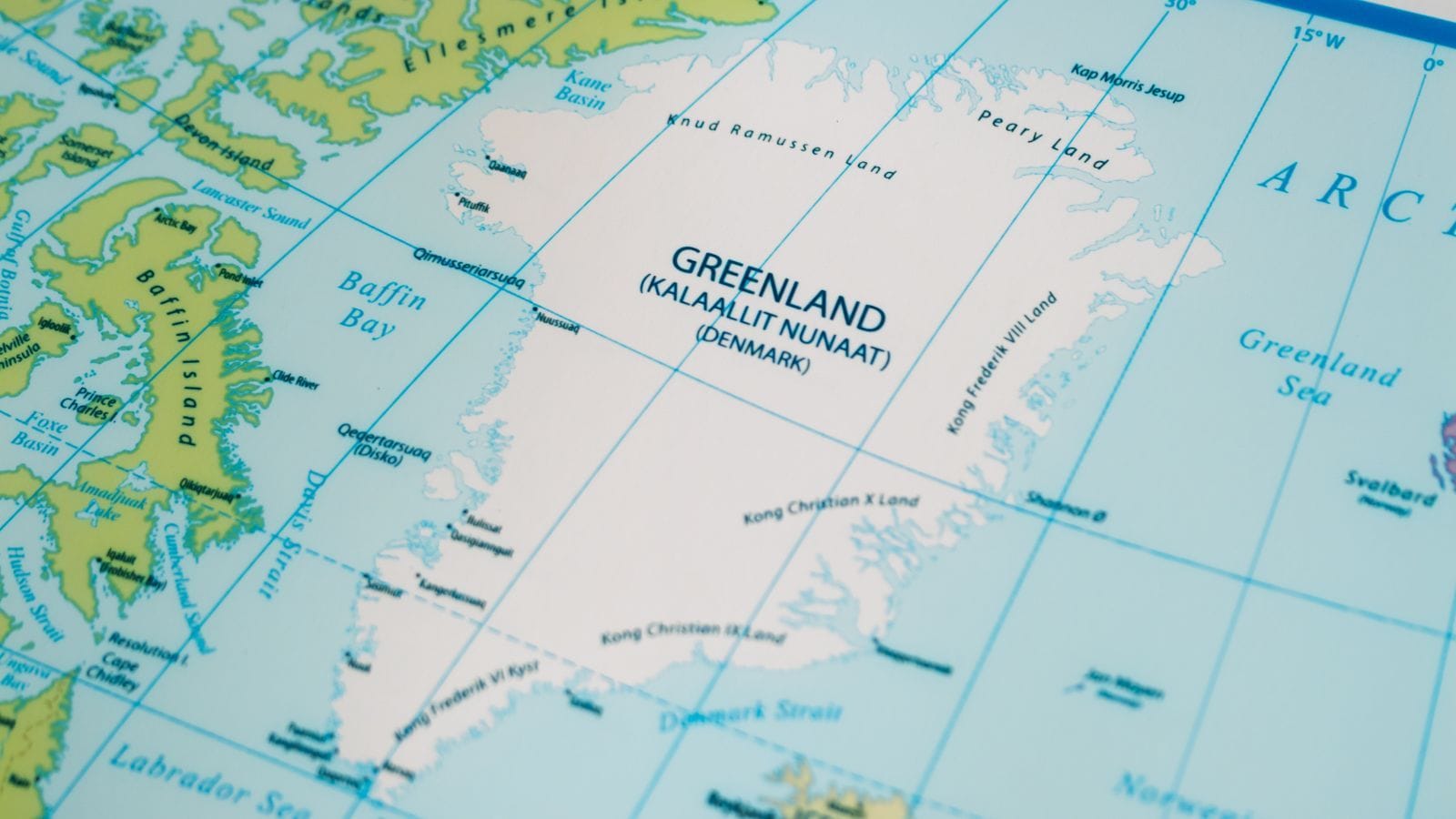
We've lost over 11 trillion tons of ice from Greenland and Antarctica since 1979. Let that sink in.
Data compiled from 27 distinct satellite missions paints a stark picture of our changing planet. Researchers tracking these remote regions aren't looking at computer models or guesswork. They're looking at hard orbital measurements. The ice sheets are shrinking, and the pace is picking up.
If you think this remote polar melt doesn't affect your daily life, you're missing the bigger picture.
The Real Numbers Behind the Melt
Ice loss sounds abstract until you look at the scale. We are talking about 11.3 trillion metric tons of melted freshwater pouring into the world's oceans over a 47-year timeline.
To visualize it, imagine stacking a 5-foot layer of ice across the entire continental United States. That is the volume we have lost.
This massive discharge raised global sea levels by about an inch. An inch sounds trivial on paper. It isn't. Coastal scientists point out that every fraction of an inch pushes millions of additional people into annual flood zones. When storm surges hit higher baseline waters, coastal infrastructure takes the blow.
Why the Ice is Disappearing So Fast
Most people assume rising air temperatures do all the damage. They don't.
According to findings published in the journal Scientific Data, about five-sixths of the melt comes from underneath. Warm ocean currents chew away at the edges and bottom of the ice sheets. Glaciers slide faster toward the sea once that underwater buttressing disappears.
Take the Jakobshavn glacier in Greenland as a prime example. It now retreats by up to 164 feet a day during peak periods.
The timeline matters, too. Through the 1970s and 1980s, these giant ice sheets stayed relatively stable. The acceleration kicked into high gear during the 2010s. Even when data showed a brief pause between 2020 and 2023—mostly driven by short-term weather anomalies and heavy snowfall in East Antarctica—the long-term trajectory remained stubbornly downward.
Why Past Decades Dictate Our Future
You can't just flip a switch and stop polar melt overnight.
Polar scientists note that ice sheet changes track decades behind atmospheric warming. That means the heavy losses we register today are a response to warming trends set in motion years ago. Even if humanity halted all net emissions tomorrow, the ice would keep adjusting for decades.
Satellites like those operated by NASA and the European Space Agency gave researchers the long lens needed to see this back to 1979. Without continuous orbital observation, these shifts would happen invisibly out at the edges of the world.
Watch coastal planning budgets. Look at flood insurance rates in low-lying metros. The physical reality captured by orbital sensors is already reshaping economic risk models worldwide.
Satellites show Earth lost more than 12 trillion tons of ice from Greenland, Antarctica in 47 years