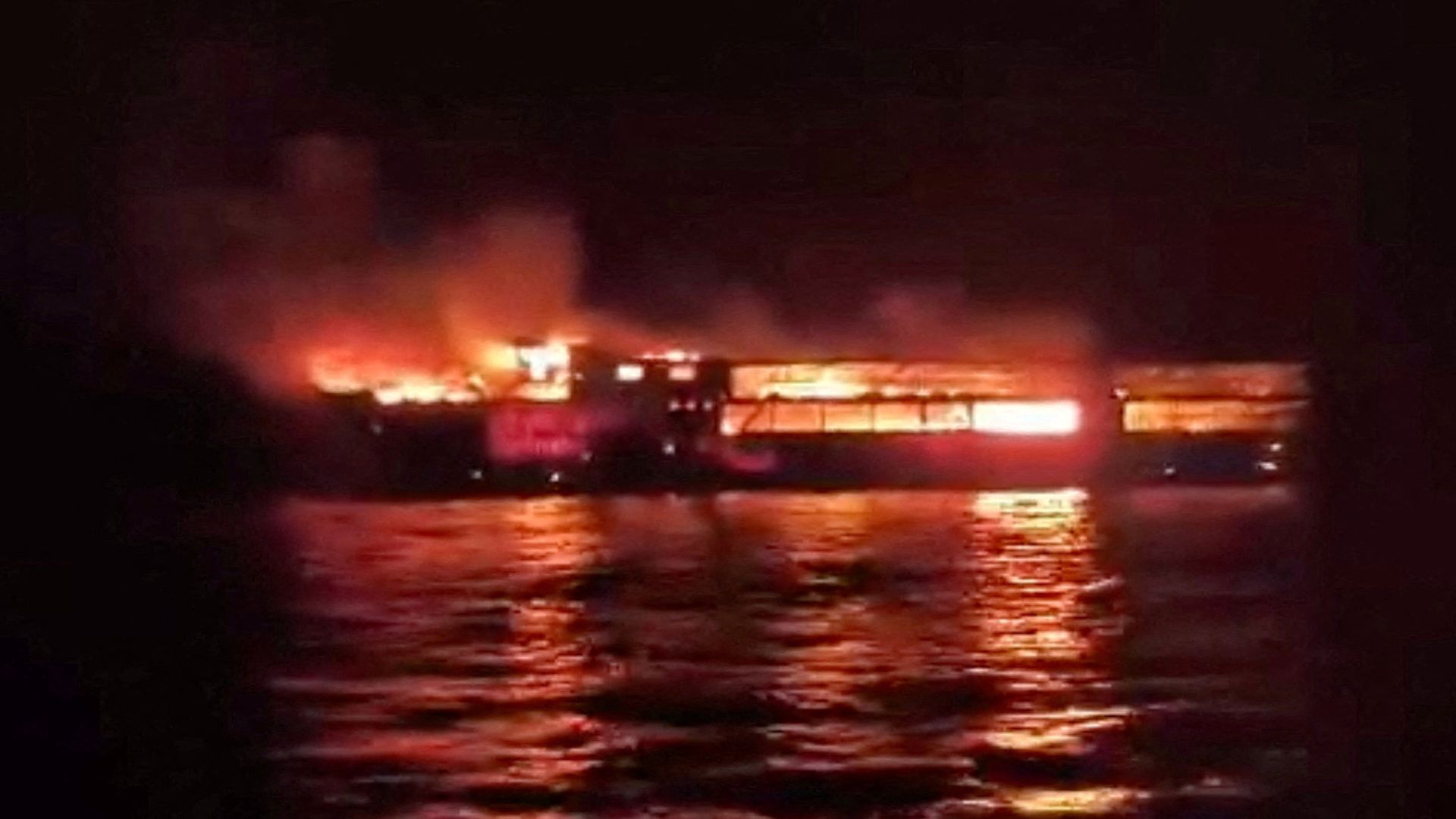
Flames tore through the passenger ferry MV June Aster in the dead of night, turning a routine maritime transit into a horrific disaster. Survivor accounts detail harrowing moments of panic, stampedes for life jackets, and desperate leaps out of windows into open water as the blaze swept across the vessel.
When you look at maritime transit in the Philippine archipelago, you see a system built on constant necessity. Millions rely on these ships daily. Yet, recurrent catastrophes highlight deep-seated structural issues that oversight bodies keep failing to fix.
What Actually Happened Aboard the MV June Aster
The disaster unfolded when the 53-metre ferry was traveling from Manila toward Coron in Palawan province. Sometime on September 9, a sudden blaze ignited onboard while the ship was roughly 7.4 kilometres off the coast.
The ship’s manifest listed 132 to 134 people on board, including passengers and crew members. Survivors described how the fire spread with terrifying speed.
"The fire quickly spread," survivor Arnulfo Nokki Villanueva shared in broadcast interviews. "That's when I dropped to the ground and my back was burned. I wanted to get a life jacket but failed to get one because people were stepping on me. People were in panic."
Many passengers had to jump from windows into the dark sea just to survive. Initial reports counted dozens missing, while rescue boats scrambled into the area. Days later, recovery operations inside the charred hulk revealed a much grimier reality. The death toll climbed dramatically as forensic teams sifted through twisted steel bed frames and ash in the economy accommodation section.
The Grim Reality of Rescue Operations
Why do rescue teams take so long to board a burned ship? Intense heat, toxic smoke, and the real threat of internal explosions keep responders at bay for days.
When the Philippine Coast Guard finally managed to board the vessel, they found total devastation. According to statements from the Maritime Industry Authority, survivor accounts pointed toward two loud explosions heard inside the ship right before the fire erupted. Whether those came from cargo, fuel lines, or electrical systems remains a key point of investigation.
Families gathered at temporary tents set up at the port in Coron town, waiting in agony. Identifying bodies recovered from the economy sections has become an excruciating process due to the severity of the burns. For relatives of the missing, the wait is agonizing.
The Broader Safety Crisis in Island Nations
Archipelagic nations face a unique transportation challenge. Ferries are the lifeblood of commerce and family visits. However, safety standards face constant scrutiny.
You see recurring factors in maritime accidents across the region:
- Overcrowding or manifest discrepancies
- Aging fleets with inadequate fire-suppression systems
- Weak enforcement of safety drills for passengers
- Rapidly changing sea and weather conditions
While shipowners like Atienza Interisland Ferries Inc. cooperate with authorities and provide initial assistance to victims, systemic reforms move too slowly. Investigations examine whether cargo protocols were followed and how quickly crew members responded to initial alerts.
What Needs to Change Right Now
If you rely on maritime transit or study disaster prevention, you know that reactive investigations aren't enough. Real prevention requires strict accountability before ships leave port.
Maritime authorities must enforce mandatory, unannounced safety audits on domestic liners. Passengers need clear, unobstructed access to emergency gear that isn't blocked by cargo or poor facility layout. Until structural safety enforcement matches the sheer volume of passenger traffic, these tragedies will keep happening.