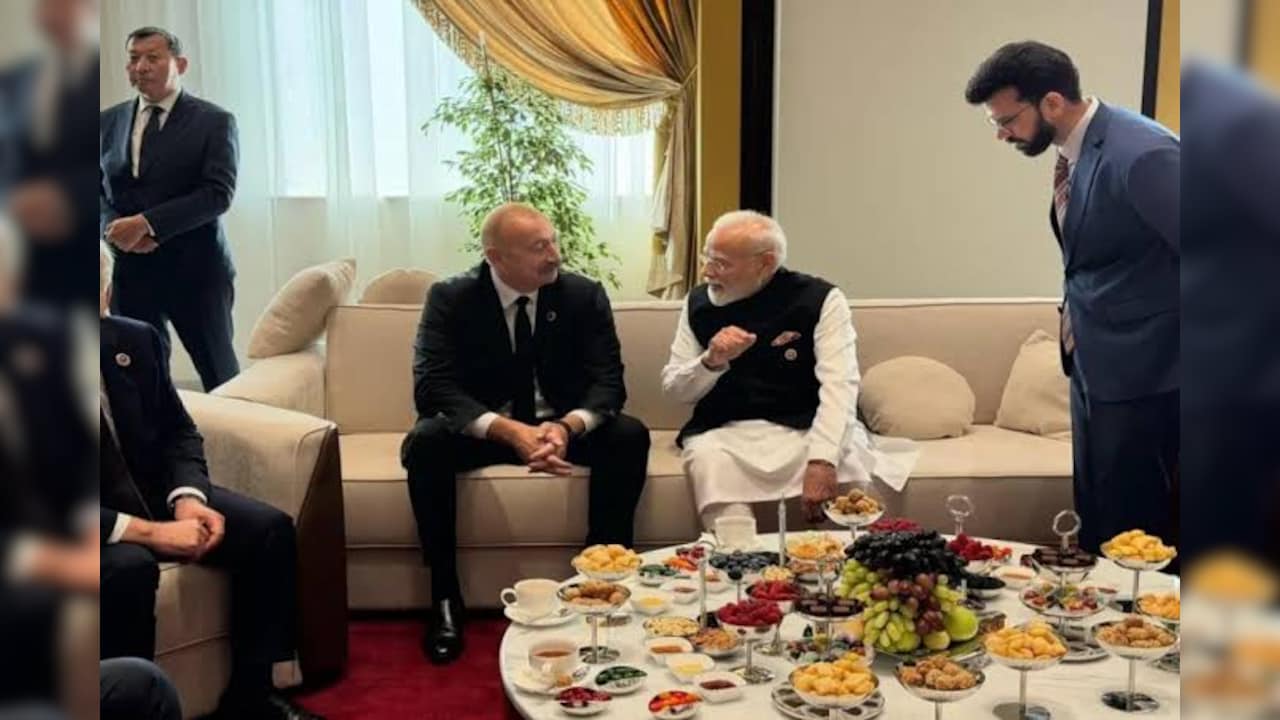
International relations rarely operate on pure sentiment. Allies of today often become pragmatic traders tomorrow. For years, conventional wisdom painted Baku as an unyielding partner of Islamabad, locked into diplomatic alignment over flashpoints like Kashmir. Yet, geopolitics doesn't standstill. Azerbaijan and India are finding common ground despite heavy historical baggage.
If you look closely at trade charts and diplomatic readouts, a quieter narrative emerges. It isn't about throwing old friendships overboard. It's about diversification, energy corridors, and economic survival in a fractured world. Let's look at why Baku is shifting gears and what this means for regional security.
The Pragmatic Pivot in South Caucasus Diplomacy
Diplomacy is messy. Baku's alignment with Pakistan ran deep, rooted in mutual support over territorial disputes. Pakistan was famously among the first nations to recognize Azerbaijani independence and refuses to recognize Armenia. But friendship doesn't pay for infrastructure or modernize energy grids.
India's economic gravity is hard to ignore. As the world's fastest-growing major economy, New Delhi offers massive market access, technological partnerships, and energy demand. Azerbaijan sits on massive Caspian Sea energy reserves. Finding reliable buyers outside traditional European frameworks makes absolute strategic sense for Baku.
Why do observers miss this shift? Because they view foreign policy through a binary lens. Nations aren't sports teams. They switch tactics when incentives change.
The International North South Transport Corridor Factor
Geography dictates destiny. Look at a map of Eurasia. The International North-South Transport Corridor or INSTC changes the entire game for trade connectivity. It connects Mumbai to Moscow through Iran and Azerbaijan.
Baku realizes it holds a key transit bottleneck. If cargo flows seamlessly from India through Iranian ports up into Azerbaijan and onward to Russia and Europe, Baku collects massive transit revenues. They become an indispensable trade hub.
- Cuts shipping times drastically compared to traditional sea routes.
- Lowers transport costs for businesses shipping goods across continents.
- Positions Azerbaijan as the central logistics bridge between South Asia and Europe.
India needs this corridor to bypass traditional choke points and access Central Asia. Azerbaijan needs the economic stimulus and strategic relevance. When economic interests align this cleanly, ideological friction takes a backseat.
Untangling the Pakistan Factor
Does this mean Baku is ditching Islamabad? Not at all. International relations allow for multiple tracks. Azerbaijan can maintain strong defense ties with Pakistan while simultaneously expanding commercial and diplomatic engagement with India.
People often struggle with this nuance. They expect total loyalty or total enmity. Reality is much more shades of gray.
Baku has occasionally backed Pakistan at international forums, particularly on Kashmir. However, diplomatic silence on certain contentious issues from Baku has become noticeable lately. New Delhi, for its part, takes a mature approach. Indian foreign policy focuses heavily on practical outcomes rather than demanding absolute conformity from partners.
Defense Supplies and Strategic Realities
Let's address the elephant in the room. Defense hardware. Armenia has increasingly sourced military equipment from India, purchasing Pinaka multi-barrel rocket systems and artillery pieces following border clashes.
Conventional logic suggests this would infuriate Azerbaijan. Surprisingly, it hasn't caused a total diplomatic rupture. Baku understands that sovereign nations buy weapons based on availability, cost, and capability. India's growing defense manufacturing sector is churning out competitive hardware. By keeping channels open with New Delhi, Baku avoids pushing India into a rigid, one-sided anti-Azerbaijani stance.
Strategic hedging is the name of the game. No smart capital puts all its diplomatic eggs in one basket.
What This Means for Global Trade Networks
The shifting dynamics between New Delhi and Baku point to a broader global trend. Middle powers are asserting autonomy. They refuse to be boxed into rigid blocs dictated by superpowers or historical alliances.
If you're running a multinational supply chain or watching geopolitical shifts, keep an eye on the Caspian basin. Traditional alliances are softening at the edges. Economic pragmatism is rewriting old playbooks.
Watch the trade volume numbers over the next fiscal year. Pay attention to joint transit meetings between Iranian, Indian, and Azerbaijani officials. That is where the real future of Eurasian connectivity is being built, one railway link and customs agreement at a time.


