There are times when compromise is completely off the table. Right now, Pakistan's leadership thinks this is one of those times.
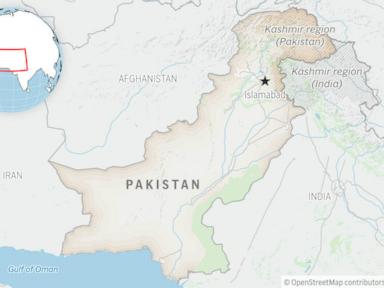
Sarfraz Bugti just slammed the door shut on any potential negotiations with separatist insurgents in Balochistan. As the chief minister of Pakistan's largest yet least populated province, Bugti made his stance crystal clear. There will be no talks. There will be no middle ground with anyone carrying weapons against the state.
If you have been following the long-standing conflict in Pakistan's southwest, this hardline pivot isn't entirely shocking, but the sharp rhetoric certainly raises the stakes. Bugti called for "major surgery" to clean out the threat completely, stating openly that the region is in a state of war. Hundreds of militants have already died in recent military operations, and officials claim the offensive will press on until the last fighter is gone.
Why take such an uncompromising stance now? The answer sits in the rising frequency of coordinated violence. Groups like the Baloch Liberation Army, designated as a foreign terrorist organization by the United States, keep hammering security forces and civilians linked to local development projects. Back in 2025, a single coordinated assault by the BLA killed 18 paramilitary personnel, leaving deep scars within the security establishment.
When attacks spike, political pressure mounts. Officials cannot look weak.
The Root Causes Nobody Wants to Solve
It is easy for Islamabad to frame this strictly as a counterterrorism problem. It is much harder to confront the underlying structural grievances that fuel the fire in the first place.
Balochistan holds immense natural wealth, from vast natural gas reserves to valuable minerals. Yet, it remains one of the poorest regions in the country. Local populations have long complained about chronic economic marginalization and a lack of local control over their own resources.
Then there are the deeply painful human rights issues. For years, activists and regional political parties have pointed to systematic problems involving enforced disappearances and extrajudicial killings. Families want answers about missing relatives. They want accountability. When those demands go unanswered, underground separatist movements find a steady stream of angry recruits willing to pick up a rifle.
Local politicians and civil society groups have repeatedly begged for political dialogue. They argue that military force alone cannot fix a decades-old socio-political wound. But the federal government and provincial authorities keep drawing a hard red line. Their official policy is simple. Dialogue and leniency are reserved exclusively for militants who lay down their weapons and surrender at state-sponsored ceremonies. For everyone else, the heavy hand of the military remains the only answer.
What Happens Next in the Conflict
Refusing to talk doesn't make the underlying anger vanish. It usually just drives it underground.
The strategy relies entirely on military supremacy. The state believes that breaking the operational capacity of groups like the BLA will eventually restore order, even if political reconciliation takes a back seat. Security forces currently operate under brutal, high-stress conditions across an enormous geographic expanse, coordinating across institutional lines to hunt down cells before they strike.
Yet, ignoring the civilian grievances while pursuing a pure military solution creates a continuous cycle. Insurgents bleed the security apparatus, the state responds with sweeping operations, and the local population gets caught right in the middle, alienated further from Islamabad.
The government has chosen its path. They are doubling down on force. Whether this aggressive surgery heals the province or simply tears it open further remains the defining question for Pakistan's internal security in the years ahead.