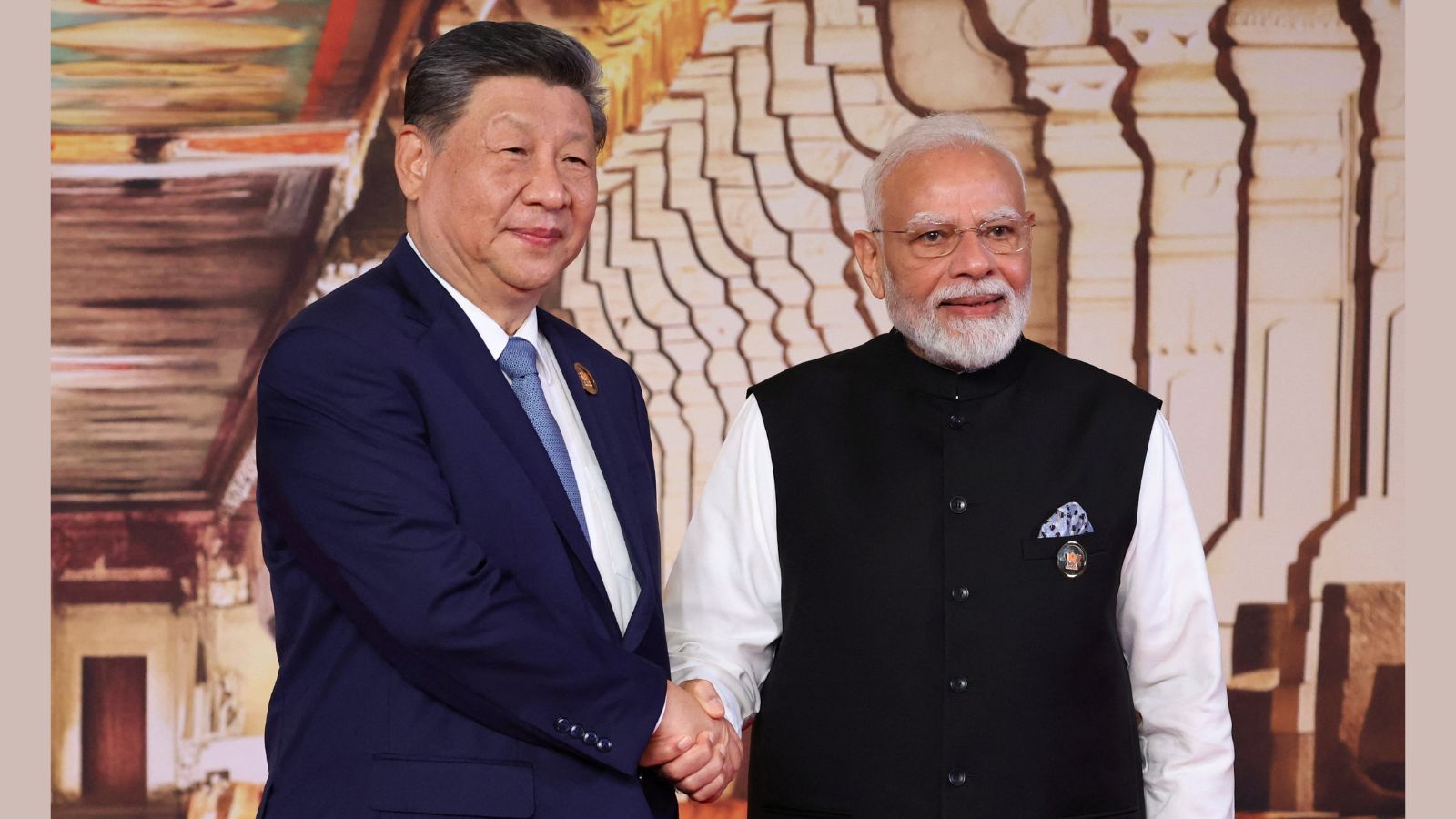
Diplomatic ice doesn't melt overnight, but sometimes it shatters with a purpose. Prime Minister Narendra Modi and Chinese President Xi Jinping sat down for a high-stakes bilateral meeting in New Delhi on the sidelines of the 18th BRICS Summit.
This wasn't just another routine handshake on foreign soil. Xi's arrival in the Indian capital marked his first visit to the country in nearly seven years, following a long freeze triggered by the 2020 eastern Ladakh border standoff. When two nuclear-armed neighbors with a complex history decide to talk for nearly an hour after adopting a major global summit declaration, the world pays attention.
The Core Agenda Behind Closed Doors
Behind the polished optics of the New Delhi summit, both leaders had specific items they needed to address. Xi emphasized that Beijing and New Delhi must view their bilateral ties from a long-term strategic perspective. He noted that as the world's most populous nations and leading voices of the Global South, cooperation beats confrontation every single time.
Modi thanked China for its support during India's BRICS chairship, but quickly steered the conversation toward hard reality. Peace and tranquility along the border remain the absolute prerequisite for any normalized relationship. You can't rebuild economic trust while troops stare each other down across a disputed frontier. Modi made it clear that existing border agreements must be strictly honored, pushing for a fair and mutually acceptable boundary resolution.
Economic Realities and the Trade Imbalance
Trade is another massive elephant in the room that politicians can't ignore forever. India's persistent trade deficit with China has been a thorn in New Delhi's side for years. During the talks, Modi pressed for structural corrections, calling for predictable supply chains and meaningful market access for Indian businesses.
Beijing understands that economic engagement needs stabilization just as much as the military front does. Both sides acknowledged that structural trade imbalances need active management rather than passive neglect.
What the Three Mutuals Mean for the Future
To keep things from derailing again, New Delhi introduced a guiding framework based on three core principles: mutual respect, mutual sensitivity, and mutual interest. If both regional giants actually stick to these rules, the path forward might look different from the friction-heavy past decade.
The summit closed with clear signals that institutional channels, cultural exchanges, and direct lines of communication are coming back online. Watch how both governments implement these agreements on the ground over the coming months.
Modi-Xi Meet Signals India-China Reset, Leaders Push Partnership
This video provides an in-depth breakdown of the high-stakes bilateral talks between Prime Minister Narendra Modi and Chinese President Xi Jinping during the New Delhi BRICS Summit.
http://googleusercontent.com/youtube_content/1