Six years after a bloody brawl in the high-altitude desert of Ladakh left dozens dead, India and China are back at the table.
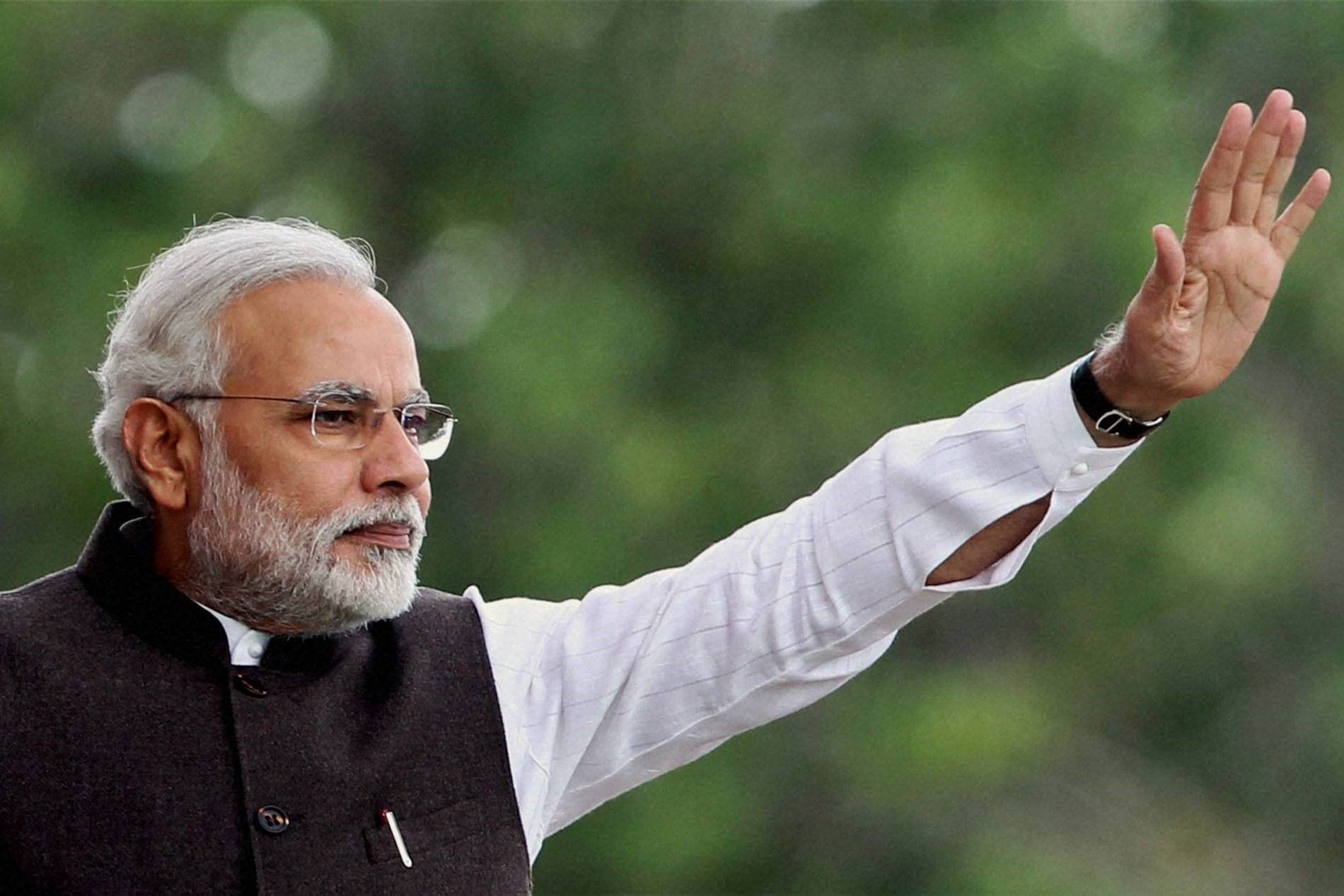
Indian Prime Minister Narendra Modi and Chinese President Xi Jinping met on the sidelines of the BRICS summit in New Delhi to hash out their differences. It is Xi's first trip to India since 2019. The diplomatic choreography looks smooth on television, but underneath the handshakes, a mountain of distrust remains.
You cannot simply erase a military standoff that has kept tens of thousands of troops dug into the Himalayas with artillery, tanks, and fighter jets. Yet, both leaders are signaling a desperate need to cool things down.
Xi stated that China views ties through a strategic and long-term lens, calling both nations partners rather than threats. Modi countered with a stark reminder: peace along the disputed border is non-negotiable. He leaned on what New Delhi calls the three mutuals—mutual respect, mutual sensitivity, and mutual interest—while stressing that differences must not blow up into full-scale disputes.
Why This Diplomatic Thaw Is Happening Now
Geopolitics rarely operates on pure goodwill. Economic and strategic pressures are forcing both capitals to rethink their cold war.
India wants to protect its economic growth trajectory. New Delhi has heavily restricted Chinese investments and technology applications since the 2020 clashes, yet its manufacturing sector still relies on vital Chinese imports. At the same time, India is positioning itself as an alternative manufacturing hub for global supply chains looking to move away from Beijing.
China faces its own set of headwinds. Economic growth has cooled, and Beijing is dealing with intense pressure from Western trade restrictions. Partnering up or at least stabilizing its southern border helps China project stability across the Global South. Xi needs stable neighbors, especially as Beijing's rivalry with Washington deepens.
The Heavy Baggage Standing in the Way
Despite the upbeat rhetoric coming out of New Delhi, a lasting normalization faces massive hurdles.
- The Border Reality: Patrol agreements and high-level talks are fine, but thousands of troops remain stationed in rugged frontier zones. Infrastructure development hasn't slowed down. India has reinforced its military capabilities along the line of control, and China has built extensive defensive positions on its side.
- The Trade Imbalance: India runs a massive trade deficit with China. New Delhi hates this imbalance and has tightly squeezed Chinese tech firms and capital inflows, creating friction that won't vanish overnight.
- Global Alignments: India's warming defense ties with the United States continue to make Beijing nervous. China views Washington's Indo-Pacific strategy as an explicit containment ring, keeping suspicion alive.
What Comes Next for the Region
Don't expect an overnight alliance. These two Asian giants are structural competitors locked in a race for regional and global influence.
The summit in New Delhi and China hosting next year's gathering show that diplomatic channels are open. Both leaders understand that perpetual hostility drains resources they desperately need elsewhere. Managing the rivalry is the new baseline.
Keep an eye on actual troop disengagement steps on the ground rather than official press releases. That will tell you whether this reset is real or just diplomatic theater.