Hundreds of front-line health-care workers in Manitoba recently discovered a harsh reality about modern labor disputes. When a private, multi-billion-dollar corporation controls essential medical testing, your right to strike can vanish overnight.
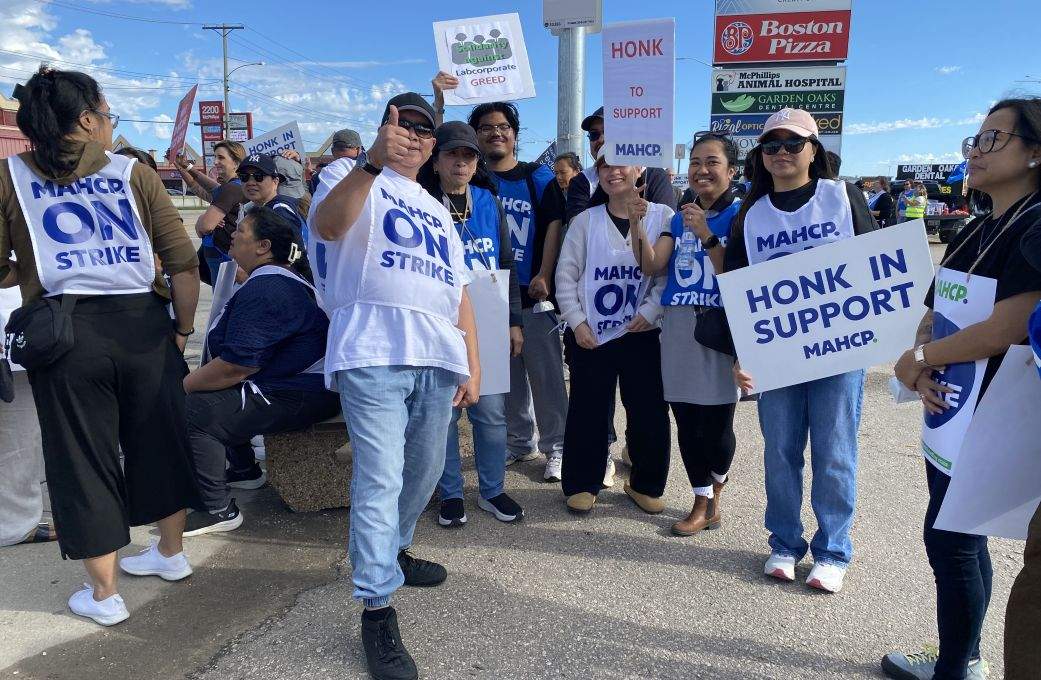
Nearly 350 laboratory technologists and technicians represented by the Manitoba Association of Health Care Professionals walked off the job at 6 a.m. on a Tuesday morning. Their picket lines shut down Dynacare facilities across Winnipeg, Brandon, Winkler, and Steinbach.
The core issue driving these workers to the picket line isn't complicated. It comes down to a staggering wage disparity. Dynacare laboratory professionals make between 20 and 50 percent less than public-sector workers doing the exact same jobs in hospitals and provincial labs.
Union president Jason Linklater didn't mince words when describing the employer's final contract offer. He called it offensive and mocking. It left workers staring down a prolonged reality of earning a fraction of public wages while handling millions of outpatient tests annually.
The Anatomy of the Private Healthcare Wage Gap
How does a private medical provider end up paying its staff so much less than the public health system? Dynacare took over community laboratory services in Manitoba years ago. Since then, public sector wages climbed to match economic realities and retain talent, while private compensation lagged far behind.
Private healthcare companies operate under a different motive. Their parent corporations generate massive net profits globally, yet local clinic staff struggle with stagnant compensation.
When workers voted 99.7 percent in favor of strike action after months of stalled bargaining and mediation, they sent a clear message. They're tired of subsidizing corporate margins with undervalued labor.
If you work in healthcare, this dynamic feels painfully familiar. Corporations squeeze operational costs to maximize returns. Frontline staff bear the brunt of the burnout.
Government Intervention and the Erosion of Trust
The strike didn't last long. It barely survived a single day before the Manitoba Labour Board ordered the 350 workers back to their posts.
The province stepped in at the request of the government, triggering an emergency review to suspend the job action. Provincial officials argued they have a fundamental duty to maintain essential health care services and prevent massive outpatient backlogs.
The union slammed the move as a profound betrayal. Linklater accused the provincial NDP government of throwing frontline workers under the bus to bail out a private American-owned health giant.
Trust evaporates quickly when workers realize political leaders will step in to halt a strike rather than force a profitable private contractor to pay competitive wages. The legal battle over essential services is moving forward with hearings scheduled, but the political fallout remains toxic.
What Happens Next for Manitobans
Labor experts point out that this dispute exposes a deep flaw in outsourcing public health services to private entities. When private companies underpay staff, recruitment collapses and retention becomes a crisis.
Patients feel the squeeze too. While emergency diagnostic testing stayed operational through Shared Health contingency plans, routine outpatient lab work faced severe scheduling bottlenecks.
Negotiations are technically back on the table, but the fundamental disagreement over wages remains unresolved. Dynacare wants normal operations to resume, while its workers are left wondering if government intervention has permanently crippled their leverage.
Check your local health authority updates if you need routine bloodwork or diagnostic services in Manitoba. Expect delays while this standoff plays out behind closed doors.