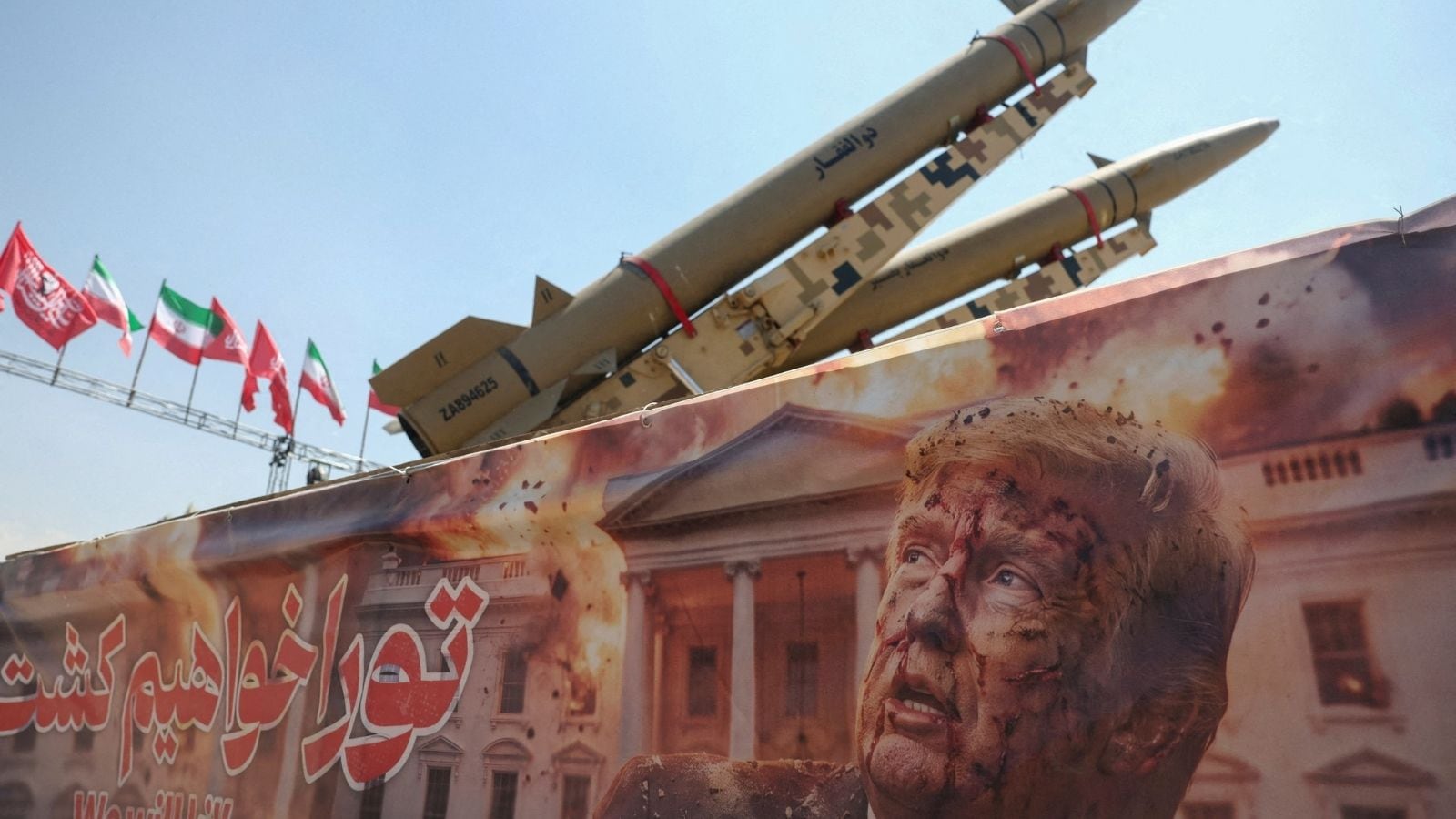
Geopolitical shocks always force a sudden reality check on global supply chains. When the conflict involving Iran ignited a massive energy squeeze, oil and gas prices spiked violently, and import-dependent nations scrambled for alternatives. Governments realized that relying on volatile fossil fuel markets is an immediate national security threat. Thirty-three countries quickly adopted policies to switch toward electricity or improve energy efficiency.
Yet, translating a crisis reaction into actual planetary salvation isn't that simple. While the current geopolitical instability is driving clean energy development at an unprecedented pace, it's not enough to help the planet, yet.
The Illusion of Immediate Transformation
You might think that soaring oil prices would automatically crash fossil fuel usage and send solar installations through the roof overnight. Reality paints a much messier picture. According to data from the Rhodium Group's Clean Investment Monitor, global investment in wind and solar deployment actually dipped during the first half of the year compared to previous periods.
China drove most of that global slowdown. Meanwhile, regions heavily exposed to gas and oil price shocks—like the U.S., Europe, and India—saw solar investments grow while wind power held relatively stable. Stanford University climate scientist Rob Jackson noted earlier in the year that expecting an instant, massive pivot toward homegrown renewables was wishful thinking unless the conflict became sustained. Unfortunately, oil prices stayed elevated past $90 and $100 a barrel for months, turning a short-term panic into a long-term economic headache.
Where Governments Are Actually Moving
Despite uneven investment numbers, policy shifts are happening behind the scenes. The International Energy Agency reports that dozens of governments have rolled out fresh mandates to curb fossil fuel dependency.
Take a look at how different regions are reacting:
- The Netherlands, Spain, and the UK are pushing comprehensive efficiency programs, replacing traditional gas boilers with electric heat pumps, and tightening building codes.
- China is heavily prioritizing heavy industry efficiency and accelerating the electrification of massive commercial vehicle fleets.
- Indonesia and India are actively transitioning populations to electric stoves to sidestep expensive imported liquefied petroleum gas.
- Laos took a radical step by suspending gas and diesel car imports entirely through 2026 to force an EV adoption wave.
These actions sound impressive on paper. They are essential stepping stones for a lower-carbon future. But policy intent and real-world infrastructure operate on completely different timelines.
The Scale Problem and Greenhouse Gas Realities
Scaling up electric vehicle incentives, building robust charging grids, and retrofitting millions of buildings takes years, not months. While governments dance between funding green transitions and cutting fuel taxes to appease stressed consumers at the pump, global emissions continue to creep upward.
Climate TRACE data reveals that global greenhouse gas emissions ticked up slightly in the first half of the year compared to the previous year. While power sector emissions dropped—defying fears that countries would default to dirty coal during gas shortages—road transportation emissions grew. Shipping emissions also fell due to regional maritime disruptions like the closure of the Strait of Hormuz, but that's an economic symptom of war rather than a deliberate green win.
What Needs to Change Right Now
If you want to understand why this crisis isn't saving the environment yet, look at the friction between emergency relief and long-term planning. Governments keep offering temporary tax cuts on fossil fuels to keep inflation down. That immediate political relief directly undermines the financial incentive for everyday people to buy electric vehicles or install heat pumps.
We are stuck in a painful transitional lag. The old energy world is breaking down faster than the new one can be built.
To turn a wartime energy shock into actual climate progress, leaders must stop treating renewables as a backup plan. They need to lock in long-term regulatory certainty, protect climate finance from sudden geopolitical retrenchment, and stop subsidizing the very fuels causing the crisis. Until those pieces click together, the push toward clean energy will remain a defensive reaction rather than a planetary cure.
Iran War Shock Highlights How Clean Energy Protects Economies
This video explores how countries utilizing strong renewable energy systems are proving more resilient against sudden fuel price spikes and supply disruptions caused by the conflict in the Middle East.