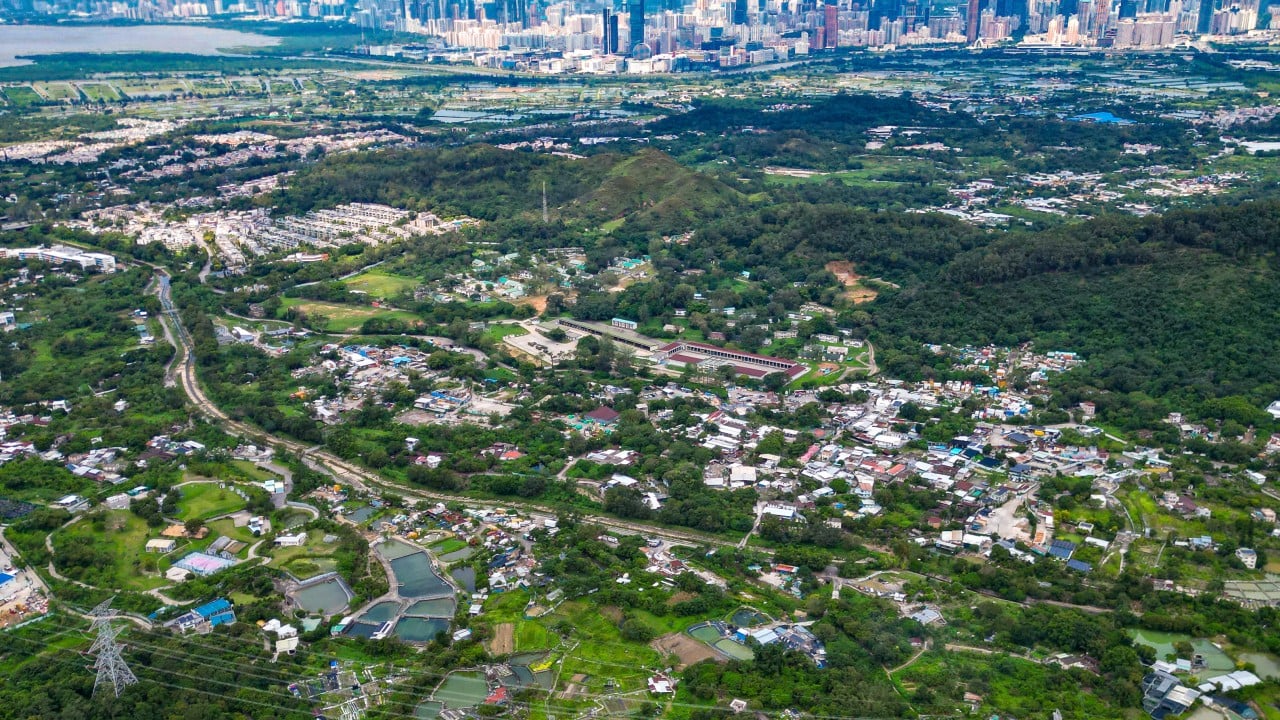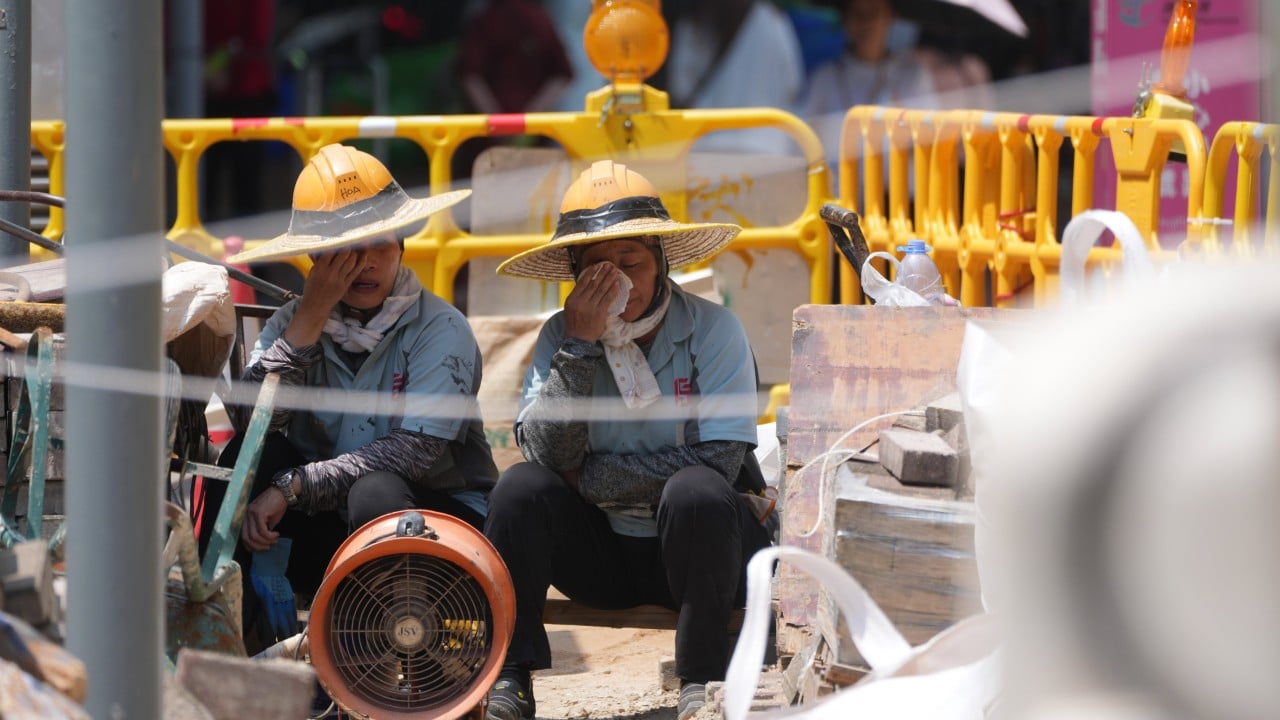
The air outdoors is thick enough to chew. Pavement shimmers with rising thermal waves. If you spend even ten minutes standing on a scaffolding-heavy street in Central or Mong Kok during peak summer, your shirt sticks to your back and breathing feels like inhaling from an open oven.
Hong Kong is getting dangerously hot. We talk endlessly about carbon footprints and emission targets, but we rarely address the immediate crisis unfolding right beneath our sweat-soaked hard hats. Outdoor laborers, delivery drivers, sanitation crews, and construction workers are caught in a shifting climate trap. Temperatures break historical records with alarming frequency.
Governments and corporations can no longer treat extreme weather as a temporary inconvenience. It is an economic structural shock. When the mercury climbs past safe thresholds, construction halts, supply chains stutter, and productivity drops off a cliff. We need a serious plan for heat-related work stoppages before economic paralysis forces our hand.
The Cost of Pretending It Is Just Summer
For decades, the standard corporate playbook for hot weather was simple. Hand out a bottle of lukewarm water, tell workers to take a brief breather in the shade, and push forward to meet deadlines. That approach is broken.
When ambient temperatures combine with high humidity, the human body stops being able to cool itself through sweat. Heatstroke creeps up fast. It does not care about project timelines or quarterly profit margins.
The Hong Kong Labour Department introduced heat stress warning systems, which mandate rest breaks based on specific index readings. Yet, guidelines on paper mean very little when project managers face massive financial penalties for missing construction milestones. Contractors often gamble with worker safety because the alternative—stopping work entirely—carries devastating financial costs.
Who absorbs the financial blow when a billion-dollar infrastructure project pauses for three hours every afternoon during peak heat? Right now, nobody has a clean answer. Contractors lose money, developers face delays, and hourly-paid workers watch their weekly take-home pay shrink. Treating heat stoppages as an emergency exception rather than a scheduled reality guarantees ongoing friction between labor rights and economic output.
Redesigning the Working Day
We have to completely rethink how a working day is structured in a subtropical metropolis facing accelerated climate warming. Sticking to the traditional nine-to-five or eight-to-six schedule during the hottest months is a recipe for disaster.
Construction sites and outdoor operations should shift hours entirely. Shifting the workday to start at dawn, say around five or six in the morning, captures the coolest hours of the day. A mandatory, extended midday pause from eleven to three avoids the most brutal thermal radiation. Work then resumes later in the afternoon and stretches into the cooler evening under proper lighting.
This is not a novel concept. Other regions with extreme climates altered their daily rhythms centuries ago. Adopting this across Hong Kong requires systemic shifts in logistics, noise ordinances for evening work, and public transit schedules.
Upgrading Site Infrastructure
Throwing a water cooler in the corner of a dusty site does not cut it anymore. Protection requires genuine capital investment.
Smart contractors are already experimenting with portable cooling pods, high-powered misting fans, and specialized personal cooling vests equipped with phase-change material packs. These are not luxury upgrades. They are basic safety gear for a climate that resembles a permanent greenhouse.
Furthermore, hydration needs an upgrade. Plain water is often insufficient when workers are sweating out essential minerals at high rates. Standardizing access to properly formulated electrolyte drinks on every major site prevents severe cramping and heat exhaustion.
Insurance frameworks also need an overhaul. If a project must shut down because the heat index hits a dangerous red alert, insurance policies should cover business interruption and worker wage protection. Workers should never have to choose between putting food on the table and protecting their lives.
Preparing the Economy for the New Normal
Ignoring climate realities will not lower the temperature. We have a narrow window to build a resilient economic framework that accounts for regular, mandatory heat-related work stoppages.
Developers, insurers, labor unions, and government officials need to sit at the same table and draft clear, enforceable protocols for compensation and scheduling. Share the adaptation costs transparently across public and private sectors. Protect workers' incomes so safety measures do not trigger personal financial crises.
The heat is coming. How we adjust our schedules and systems will determine whether our city protects its workforce or breaks them under the weight of inaction. Stop waiting for autumn to save us. Redesign the workday now.