Yemen’s fragile landscape has shattered once again. When Saudi-backed government forces announced targeted strikes against Houthi vehicles, weapons depots, and fighters in the vital Red Sea port city of Mocha, it wasn't just another routine skirmish. It marked a volatile escalation in a renewed civil war that risks pulling the entire region back into the fire.
If you've been watching the news, you know the conflict that lay dormant since the 2002 ceasefire roared back to life this July. But the sudden fall of Mocha on Thursday changed the strategic math overnight. Here is a breakdown of what is actually happening on the ground and why this offensive matters so much right now.
The Strategic Importance of Mocha
Why does everyone care about Mocha? Geography. This historic Red Sea port sits perilously close to the Bab al-Mandab Strait, one of the world's most critical maritime chokepoints.
When Houthi forces launched their rapid offensive last week, they didn't just capture Mocha. They seized control of the remainder of Yemen's Red Sea coast and several strategic islands. This gives them a vice grip on commercial shipping and alternative oil export routes for Saudi Arabia, especially while regional tensions block other paths like the Strait of Hormuz.
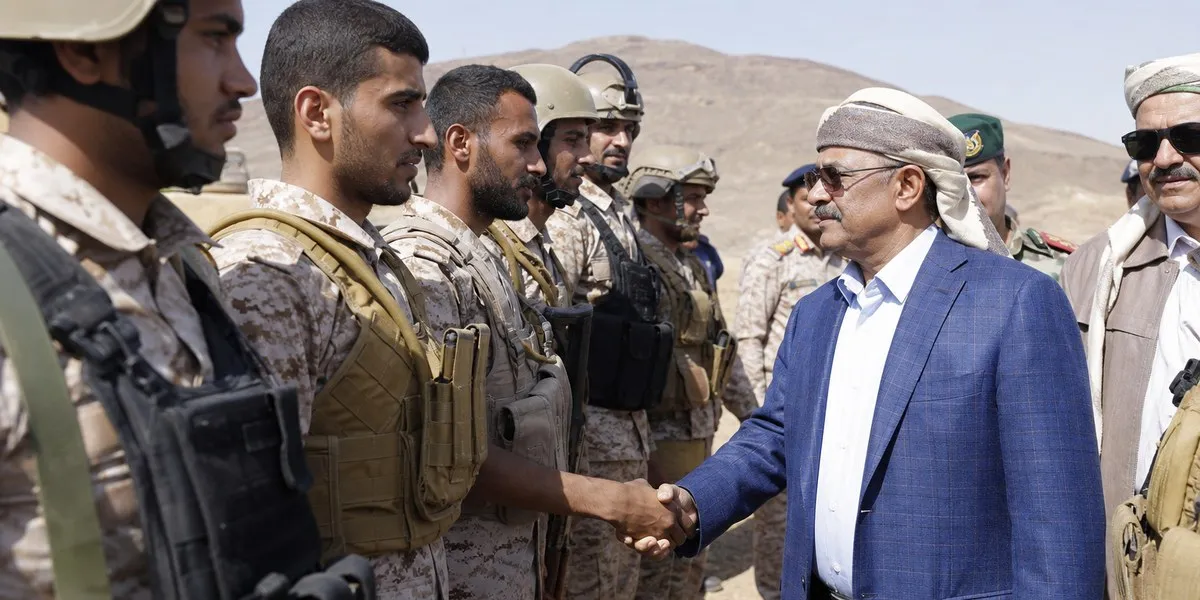
Yemeni government forces, backed by Riyadh, quickly hit back. According to the state-run Saba news agency and military spokesman Majed Abdullah al-Nazili, armed forces struck Houthi fighters near the port of Mocha and along the crucial Mocha-Dhubab road about 11 kilometers out. The military destroyed multiple vehicles and weapons caches, attempting to halt the rebel advance. But for many residents, the counter-offensive comes far too late to prevent catastrophe.
The Human Cost Behind the Headlines
Numbers on a screen rarely capture human reality. The United Nations migration agency reported that 76,000 people have fled their homes since July, with displacement figures quadrupling in just a single week.
Families are packing into the back of small pickup trucks with whatever they can carry. Abdulali al-Rajihi, a resident displaced by the rapid Houthi takeover, recounted the terrifying speed of the assault. The fighters gave them barely half an hour to evacuate before chaos descended. They fled to Aden, where the internationally recognized government is currently based, leaving behind their homes and livelihoods.
Civilians are caught between fierce artillery fire, government airstrikes, and Houthi retaliation. Over 500 people have already died in this renewed wave of violence, and humanitarian aid agencies warn that needs are vastly outpacing available supplies.
What Happens Next in the Red Sea
The fighting isn't staying confined to Yemen's coastline. In response to government airstrikes and Saudi involvement, Houthi military spokesman Yahya Saree claimed responsibility for drone and ballistic missile attacks targeting a military base in southern Saudi Arabia. Meanwhile, Saudi civil defense authorities reported injuries and structural damage near the border after projectiles hit local infrastructure.
With regional actors locked in a high-stakes standoff and thousands of civilians displaced daily, the war in Yemen is no longer a forgotten conflict. It is a burning frontline of a much wider Middle East crisis. Keep a close eye on the Bab al-Mandab Strait—what happens there next will dictate the stability of global shipping lanes for months to come.