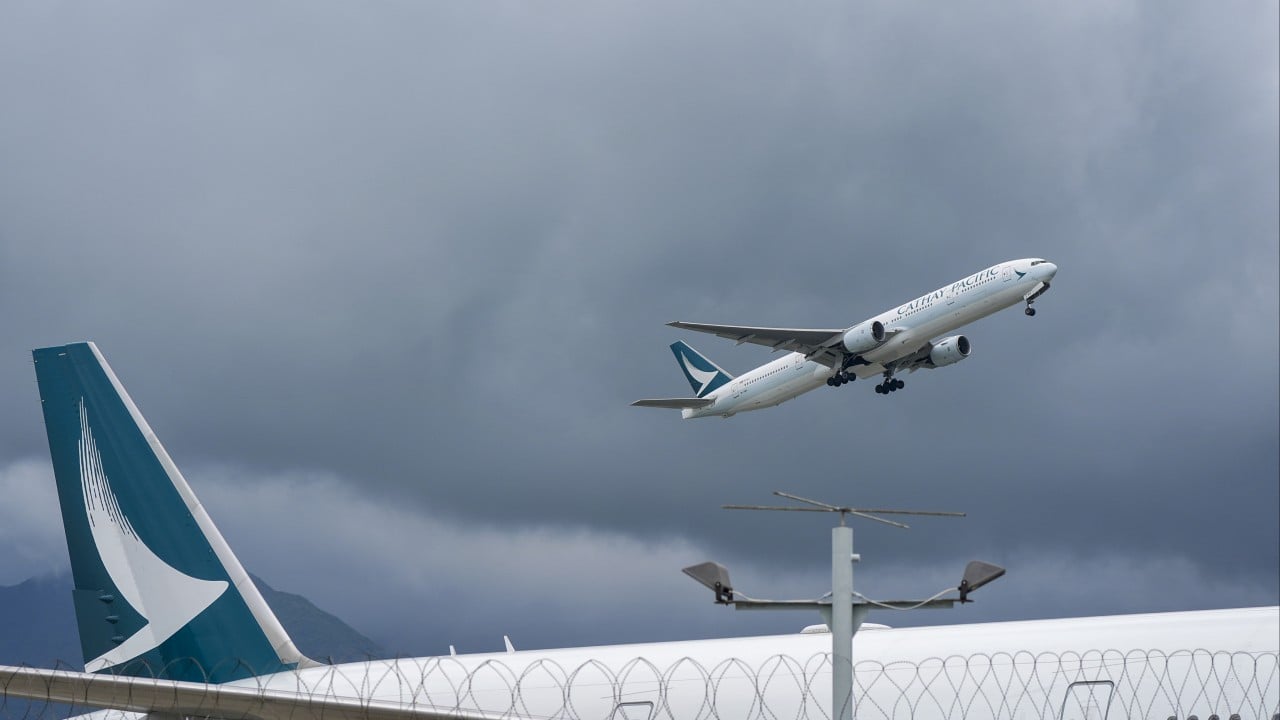
A wrong radio frequency sounds like a minor annoyance. For the flight crew of Cathay Pacific flight CX257, it triggered an international security alert.
Imagine flying a commercial Airbus A350 from Hong Kong to London. You are cruising thousands of feet in the air. Suddenly, military fighter jets pull up alongside your cockpit windows. That is exactly what happened over Romanian airspace.
Let us break down how a simple communication slip snowballed into a NATO quick-reaction alert, and what it reveals about cockpit protocols.
The Anatomy of a Radio Blunder
On July 4, flight CX257 ran into trouble not because of mechanical failure, but due to human error mixed with bad timing. Hong Kong's Civil Aviation Department confirmed that the aircraft's communication hardware worked perfectly.
So, what went wrong?
The flight crew made a classic mistake. They misheard an instruction meant for a completely different airplane. They responded to it and switched their radios to an incorrect frequency.
In aviation, frequency changes happen constantly during long-haul international flights. You hand off from one air traffic control sector to the next. If you tune into a dead airwaves channel or misinterpret a handoff, silence follows.
The dangerous part wasn't just tuning the wrong dial. It was the silence that went unnoticed. The crew failed to realize that they had dropped off the radar of air traffic controllers. They kept flying along their approved flight path, blissfully unaware that nobody on the ground could talk to them.
When Commercial Airliners Meet NATO Interceptors
Air traffic control systems operate on strict safety protocols. When an aircraft stops responding and fails to check in across sector boundaries, alarm bells ring. In crowded or sensitive European airspace, silence equals a potential security threat.
Because the plane went dark over Romania, regional defense mechanisms kicked into high gear. Hungary's defense ministry and NATO protocols responded swiftly. A pair of quick-reaction alert fighter jets scrambled to intercept the civilian airliner.
Fighter pilots do not shoot first; they inspect. They pulled alongside the Airbus A350 to visually check the cockpit and assess the situation. Once the crew realized they were being intercepted, they restored communications, sorted out the frequency mix-up, and the flight continued on to Heathrow without further drama.
Passengers on board were basically safe the entire time. The plane never deviated from its navigation route. But the optics of having NATO jets shadow a commercial flight because of a dialed-in typo are jarring.
Regulatory Fallout and Stricter Oversight
Governments do not take radio blackouts lightly. Hong Kong's Civil Aviation Department wrapped up its review of the incident, expressing serious concern over the breakdown.
Cathay Pacific had to roll out immediate fixes. The airline overhauled its operational and monitoring procedures for communication systems. The pilots involved faced additional training and mandatory performance reviews. Internal safety reporting mechanisms got a sharp upgrade to ensure crew vigilance never slips this way again.
Communication errors happen in every profession. In commercial aviation, they carry heavy consequences. Double-checking your channels isn't just a checklist item. It is the line between a routine flight and an escort by military jets.
Stay alert. Verify your frequencies.
Cathay Pacific flight intercepted by Hungarian fighter jets
This short video clip provides visual context regarding the Hungarian military response and the international news coverage surrounding the airspace interception incident.