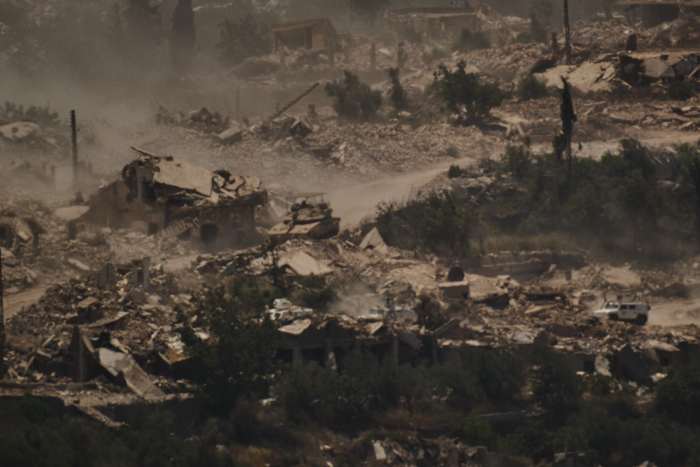
Joyous cries of traditional ululation echoed through the coastal village of Kuhestak. Moments later, the roof collapsed into a cloud of dust, smoke, and screams.
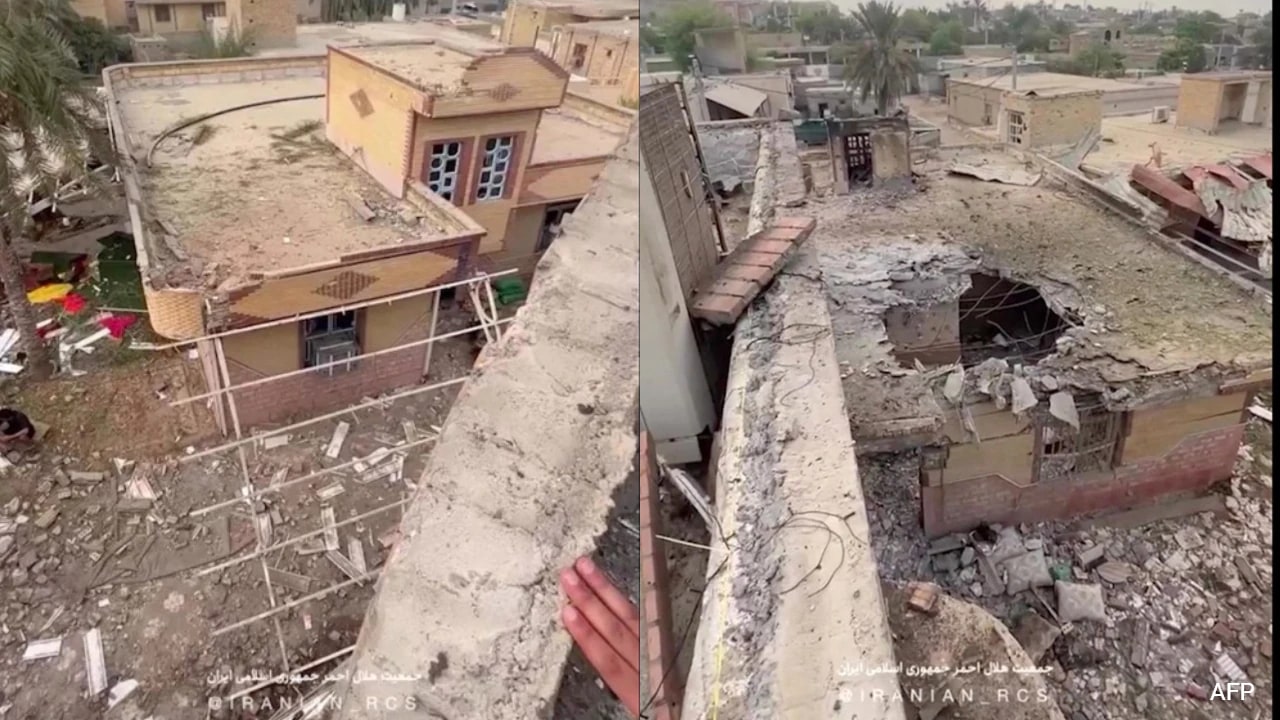
The wedding of Maryam Mallahi in Iran's southern Hormozgan province was supposed to be a night of community and celebration. Instead, it became a grim snapshot of the human cost of the ongoing US-Iran conflict. Two family homes in a densely populated residential area took direct hits, leaving five people dead, including a four-year-old child, and over 60 others injured.
When you look past the official press briefings and political statements, events like this expose the brutal reality of modern military strikes on civilian infrastructure.
Inside the Moments Before the Strike
Hundreds of guests had packed into the residential compound near the Strait of Hormuz on a Tuesday night. Festivities were in full swing. Traditional songs played, and family members gathered across two adjacent houses.
Then came the explosion.
Zeinab Mallahi, a wedding guest who survived the blast, described the surreal shift from celebration to chaos in an interview with Drop Site News. She noted that the sound of the women celebrating still haunts her waking hours. The living room roof and walls simply caved in without warning, turning a festive gathering into an active rescue zone.
According to reports from local accounts and the Iranian Red Crescent, the impact left a crater roughly 1.5 meters deep in the floor. Another projectile clipped a nearby date palm, sending it crashing into a wall. Ali Mallahi, a local fisherman and the bride's father, initially thought a simple gas cylinder had blown up. When he ran outside, he realized a much larger catastrophe had struck his family.
The Official Claims Versus Ground Realities
The fallout from the Kuhestak strike has triggered a fierce war of words over accountability, military precision, and civilian protection.
The United States Central Command (CENTCOM) stated they were aware of the reports originating from Iranian state media and launched an internal review. Captain Tim Hawkins, a CENTCOM spokesman, maintained that the US military never targets civilians, pointing the finger instead at the Islamic Revolutionary Guard Corps (IRGC). During a White House briefing, US Vice President JD Vance similarly noted that he lacked initial details while reiterating that American forces do not target non-combatants.
Independent investigations tell a different story. A Reuters investigation indicated that the strike on the wedding venue was likely a direct hit by a US munition rather than a stray projectile or ricochet.
The human toll kept mounting long after the dust settled. Four people died at the scene: four-year-old Amir Ali Karimi, 16-year-old Mohammad Mallahi, 43-year-old Kolsoom Mallahi Nezhadnia, and 50-year-old Zarkhatoun Taheri. Days later, 22-year-old Asieh Molaeinezhad succumbed to critical injuries in intensive care, pushing the death toll to five.
Why Civilian Casualties Keep Surfacing in Modern Conflicts
Incidents like the Kuhestak wedding strike highlight systemic failures in intelligence, target verification, and urban warfare tactics. When military operations take place near densely populated civilian zones, the margin for error shrinks to zero.
Civilians bear the heaviest burden when high-tech munitions miss their intended marks or when intelligence fails to properly vet residential neighborhoods. Families holding weddings, working on local fisheries, or sleeping in their beds find themselves on the front lines of conflicts they have no control over.
Military commands routinely promise thorough investigations and internal reviews whenever civilian casualties make international headlines. Yet, accountability remains rare, and the victims' families are left to pick up the pieces of shattered lives while waiting for answers that rarely arrive.
Keep a close eye on independent investigations and humanitarian updates rather than relying solely on official military denials when evaluating the true human impact of regional escalations.