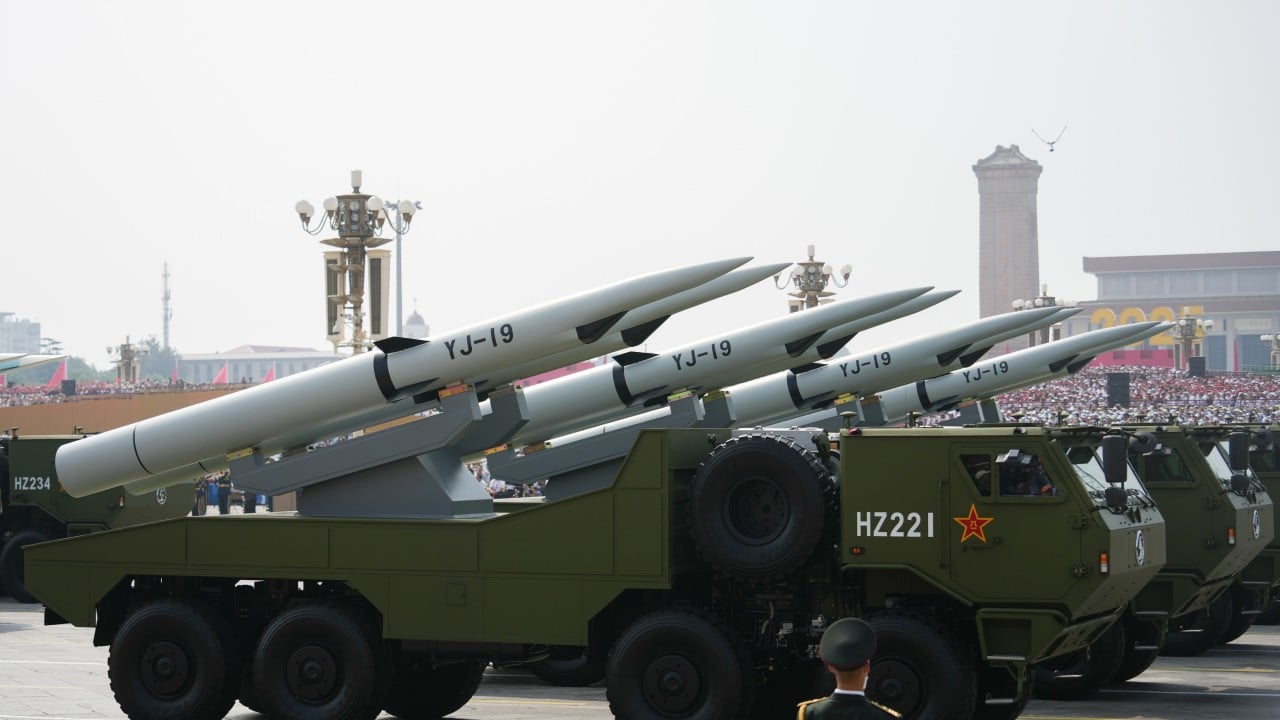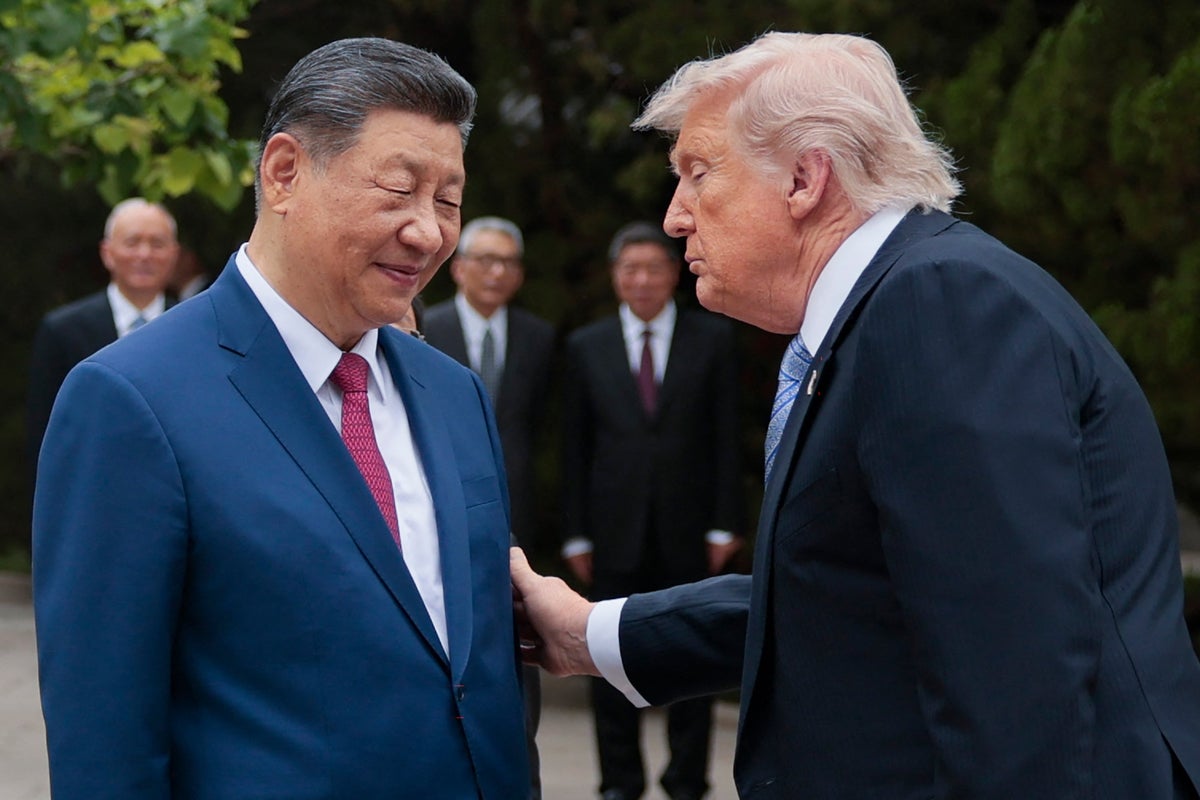
The federal government wants you to panic about model distillation. Washington recently released a joint cybersecurity advisory accusing Chinese labs of running industrial-scale campaigns to siphon American artificial intelligence capabilities. Agencies like the NSA, FBI, and CISA argue that firms like DeepSeek, Moonshot AI, and Alibaba have systematically routed billions of tokens through domestic U.S. frontier systems to clone advanced reasoning and coding tools.
If you look past the political posturing, a more complicated technical and economic reality emerges. Model distillation isn't some shady cyberattack requiring malware or zero-day exploits. It is a standard machine learning practice used by engineers everywhere. You take a powerful teacher model, feed its outputs to a smaller student model, and train that student to achieve similar performance at a fraction of the cost.
Silicon Valley loves distillation when startups use it to build efficient open-weight tools. OpenAI and Anthropic rely on massive compute infrastructure funded by venture capital and tech monopolies, but they cry foul when foreign competitors use standard API queries to achieve comparable results for pennies.
Let's be honest about how this works in practice. If you build a frontier LLM, you publish an API so paying customers can query it. Those customers include anyone with a credit card and an internet connection. Separating an authorized user building a custom app from a foreign lab training a student model is basically like looking for a specific grain of sand on a crowded beach. U.S. officials claim Chinese companies use automated proxy networks and bulk subscription sharing to hide their tracks. They aren't wrong, but trying to police every API query through heavy-handed restrictions ignores the fundamental nature of software.
The real panic stems from the speed at which China closed the performance gap. When Stanford University researchers noted that the performance gap between top-tier U.S. and Chinese models had essentially vanished, Washington panicked. Look at the rise of efficient alternatives like Moonshot's Kimi K3 or DeepSeek's low-cost architectures. They proved you don't need billions of dollars in specialized silicon clusters to build competitive models if you work smarter.
Treasury Secretary Scott Bessent insists China can never truly get ahead because they rely on copying U.S. innovation. That argument sounds comforting in a congressional hearing room, but it misses the forest for the trees. American companies face their own legal battles for training models on copyrighted books, art, and journalism without permission or payment. Pointing fingers at international rivals for using scraped data or iterative training methods feels like corporate hypocrisy wrapped in a national security flag.
If you run a business or build software right now, stop listening to the political noise. Model distillation is here to stay, open-source models will continue driving down costs, and global competition will accelerate. Focus on building practical applications with the best available tools, regardless of where they were coded.
US, China Battle For Global AI Dominance Grows
This video explores the intensifying geopolitical and economic battle between the United States and China for global artificial intelligence dominance.