Foreign policy shifts rarely happen overnight, but when they do, they usually catch everyone off guard. Washington just made a surprising U-turn. For the first time in over two decades, the United States has officially removed Venezuela from its annual list of nations that have failed demonstrably to combat illegal drug trafficking.
If you have watched US-Latin American relations over the last twenty years, this feels surreal. Venezuela has occupied a spot on that infamous State Department blacklist since 2005. It became a permanent fixture of Washington's diplomatic cold war. Now, the landscape looks entirely different. Don't forget to check out our earlier coverage on this related article.
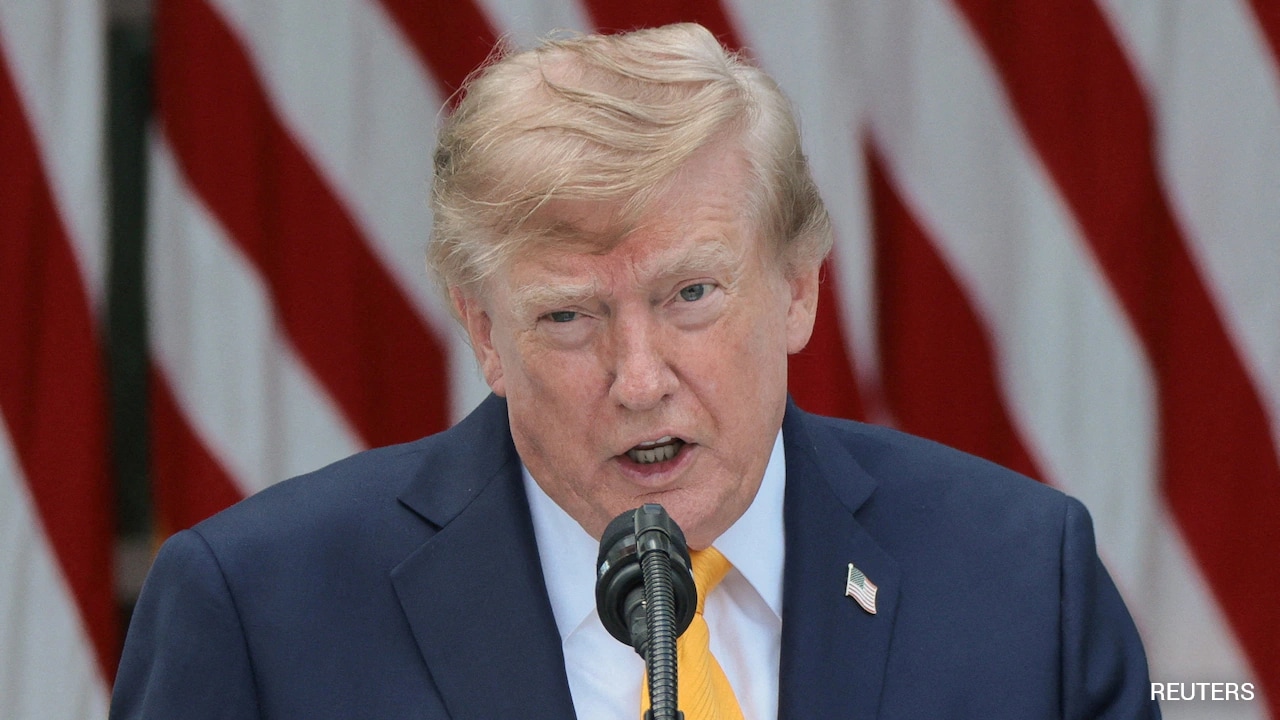
President Donald Trump announced the policy update in a presidential determination, pointing directly to shifting political realities on the ground. Following the dramatic ouster and arrest of Nicolas Maduro in January, the White House claims cooperation with Venezuela's interim government under Delcy Rodriguez is yielding real operational results. Security officials point to the targeted killing of Tren de Aragua gang leader known as 'Niño Guerrero' as proof that things are changing.
The Shift in Venezuela
You might wonder how a government historically branded as a narcoterrorist threat suddenly gets a clean bill of health on counter-narcotics. The answer is political realignment. If you want more about the history here, NPR offers an excellent breakdown.
Washington's calculus changed the moment Maduro left office. Cooperation replaced outright hostility. The interim administration is actively sharing intelligence and dismantling transnational criminal syndicates that used Venezuelan territory as a secure shipping lane.
Trump made it clear that expectations remain high. "I expect to see continued, measurable progress from the interim government," he noted in his official statement.
Yet, nuance matters here. Being dropped from the "failed demonstrably" category does not mean Venezuela is suddenly a low-risk zone. Both Venezuela and Colombia remain classified as major transit hubs or primary drug producers under broader international tracking metrics, alongside nations like Mexico, China, and Peru.
What Is Happening With Colombia
The surprises don't stop in Caracas. Washington is signaling a massive thaw in relations with Bogota too, depending entirely on upcoming domestic policy execution.
Relations hit rock bottom under former leftist President Gustavo Petro. Mutual insults and endless public feuds defined the diplomatic channel for years. However, the political winds shifted dramatically with the election of President Abelardo De La Espriella.
De La Espriella took office on a hardline security platform. He promised an immediate crackdown on illegal coca cultivation and criminal networks. That aggressive stance caught Washington's attention instantly.
Trump explicitly left the door open for Colombia's removal from the blacklist soon. "If, as expected, Colombia makes progress on aggressive coca eradication and dismantling its narcoterrorist networks over the coming year, I will consider lifting the country's failed demonstrably status," he stated.
De La Espriella is positioning Colombia to reclaim its traditional status as America's primary security partner in the hemisphere. It is a sharp pivot from the friction of previous years.
The Broader Global Drug War Context
Critics argue that these designations are often political tools rather than objective measurements of anti-narcotics success. They have a point. The list frequently expands or contracts based on who sits in the Oval Office and who leads foreign capitals.
When a friendly administration takes power in a historically hostile nation, compliance standards suddenly look achievable. When a leftist or uncooperative leader wins an election, enforcement metrics suddenly appear catastrophic.
Yet, the pragmatic reality on the ground cannot be ignored entirely. Transnational cartels adapt faster than governments do. They shift routes, diversify laundering operations, and pivot to synthetic opioids like fentanyl when cocaine corridors get squeezed.
Insiders know that removing a country from a bureaucratic blacklist is mostly symbolic diplomatic maneuvering. The real test happens in the jungle corridors, port facilities, and financial institutions where cartels move billions of dollars every single week.
Keep an eye on whether the interim government in Caracas actually follows through on structural reforms, or if this temporary diplomatic honeymoon fades when real-world institutional challenges set in. Pay attention to Bogota's eradication numbers over the next twelve months. That will tell you whether this policy shift represents lasting geopolitical strategy or just another temporary headline.


