The United States just drew a heavy line in the sand. Washington is cutting off the United Arab Emirates branches of Egypt's second-largest financial institution from the U.S. financial system. Why? Because the bank allegedly became a major economic conduit for Tehran.
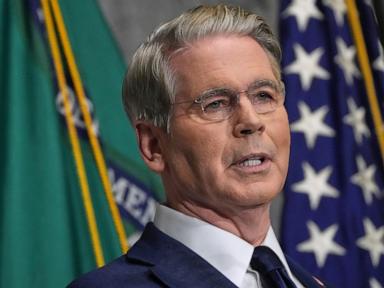
Treasury Secretary Scott Bessent didn't mince words. Under a campaign dubbed "Operation Economic Outcast," the U.S. is aggressively targeting international institutions that keep Tehran afloat. If you think this is just standard bureaucratic posturing, look closer. This move marks the first major use of Section 311 actions against a third-country bank in this current economic offensive.
Tracking the Billions in Shadow Networks
According to the U.S. Treasury's Financial Crimes Enforcement Network, the numbers are staggering. Investigators estimate that between January 2024 and June 2026, Banque Misr UAE processed roughly $1.8 billion. That money flowed through 103 different companies identified as potential cogs in Iran's shadow banking apparatus.
These aren't random commercial accounts. The U.S. government states that these front entities were utilized by the Iranian Ministry of Defense and the Islamic Revolutionary Guard Corps. They bypassed standard international restrictions, laundered cash, and kept the Iranian regime solvent despite sweeping global curbs.
Bessent made the objective crystal clear. Enablers can no longer enjoy open access to the U.S. dollar or global banking infrastructure. Banque Misr UAE just found out what happens when Washington decides to make an explicit example.
Understanding the Scope and Limitations
Don't panic if you have holdings with Egypt's larger financial ecosystem. This penalty is tightly contained.
The proposed rule applies exclusively to the UAE branches of Banque Misr—specifically covering locations across Dubai, Abu Dhabi, Sharjah, and Ras Al Khaimah. The Central Bank of Egypt and local officials have scrambled to reassure markets. The main headquarters in Cairo remain untouched. Branches operating in other jurisdictions like France, Germany, or Saudi Arabia are also currently outside the scope of this restriction.
It's a calculated, scalpel-like strike rather than a broad-spectrum bombing run. Washington wanted to send a warning shot without completely collapsing critical regional trade partnerships or sending shockwaves through the broader global economy.
The Wider Geopolitical Fallout
This escalation arrives six months into a bruising military and economic standoff with Iran. With traditional diplomatic channels locked in a stalemate, the White House is shifting its weight entirely to financial levers.
Alongside the restrictions on the Egyptian bank's UAE operations, the Treasury also slapped fresh sanctions on Reza Mohammad Taeedi, the manager of Bank Melli's Dubai branch. A Hong Kong-based trading firm accused of laundering money for Iranian exchange houses was hit too.
The strategy is straightforward. Starve the regime of foreign revenue and force neighboring financial hubs to choose between doing business with Tehran or maintaining access to the almighty U.S. dollar.
Expect fierce diplomatic maneuvering ahead of upcoming international finance summits. Countries across the Middle East and Asia are re-evaluating their risk exposure overnight. Keep a close eye on compliance protocols if you operate cross-border accounts in the Gulf. The rules of engagement have changed permanently.
US Squeezes Iran Harder: Egypt's Banque Misr UAE Hit With Sanctions As Hormuz Crisis Deepens
This video provides an in-depth look at how the latest U.S. sanctions against Banque Misr's UAE branches are shaking up regional banking and the broader Hormuz crisis.
http://googleusercontent.com/youtube_content/1