Disasters at sea rarely happen because of bad luck alone. Usually, human stubbornness and ignored warnings pave the way for tragedy. That is precisely what happened when the inter-island ferry MV Matui went down in the Pacific Ocean, leaving lives shattered and entire communities searching for answers.
If you look past the initial shock of the Vanuatu ferry accident, you find a disturbing pattern of brushed-off weather alerts and reckless overloads. One person is confirmed dead, thirty people are missing, and families are left waiting on shores where hope is wearing thin.
What Actually Happened on the Water
The MV Matui was plying the route between Ambae and Santo islands in Vanuatu, an island nation located roughly 1,750 kilometers east of Australia. According to reports from regional broadcasters like New Zealand's RNZ, the vessel ran straight into severe weather that officials had already warned about.
Instead of staying docked until conditions improved, the ferry pushed forward. That decision proved fatal.
Out of the people on board, search and rescue teams managed to pull only 15 survivors from the water. The rest vanished into the vast, unforgiving swells of the Pacific. Prime Minister Jotham Napat’s office released a statement confirming the grim reality of the situation, noting that heavy winds and ignored warnings directly triggered the disaster.
The Dangerous Culture of Ignoring Warnings
We need to talk about why maritime operators ignore storm warnings. In remote island nations, ferry transport acts like a highway system. People rely on these boats for groceries, medical access, and visiting family. When pressure mounts to keep schedules moving, safety protocols often take a back seat.
Authorities suspect that the MV Matui was carrying more than it should have. Overloading a ship while terrible weather brews overhead is not an accident—it is gross negligence. Yet, maritime safety authorities and the operating company, Tui Shipping Agency, face mounting scrutiny as local police and safety regulators try to piece together who greenlit the voyage.
The Desperate Search Operation
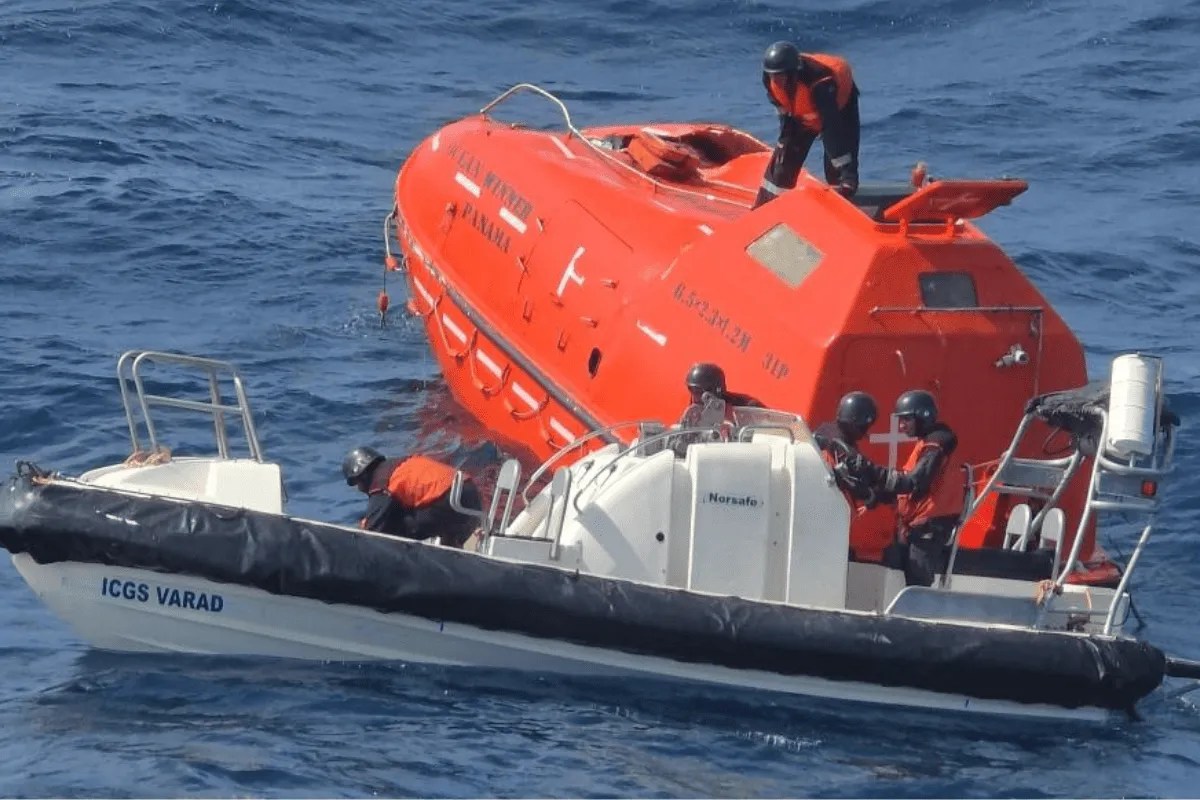
Finding survivors in the open ocean is like finding a needle in a haystack, except the haystack keeps moving. Rescue crews deployed boats and helicopters immediately after the distress call went out, but rough seas made every hour an uphill battle.
Search teams eventually shifted their focus toward the southeast coast. Ocean currents act like conveyor belts in these waters, dragging debris and survivors miles away from the initial sinking site. Families have gathered along the coastlines, staring at the horizon for hours, holding onto slim threads of hope that their missing loved ones might wash ashore alive or be spotted by a chopper.
What Pacific Island Nations Must Change Now
Accidents like this highlight a brutal truth about maritime infrastructure in isolated regions. Safety enforcement cannot just be a suggestion written on paper. Governments need to crack down hard on operators who treat weather advisories as optional guidelines.
When you allow ships to leave ports overloaded during storm warnings, you are gambling with human lives. Vanuatu's government has promised a full investigation to ensure a tragedy of this scale never repeats itself. But investigations after the fact do little to bring back the dead.
If you travel or manage logistics in remote maritime regions, respect the water. Never board an overcrowded vessel when storms roll in. Demand accountability from local operators. Pay attention to safety regulations before you step foot on any deck, because once you are out in the open ocean, it is already too late to turn back.