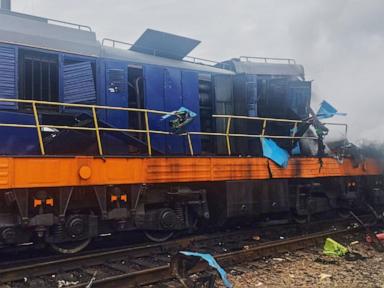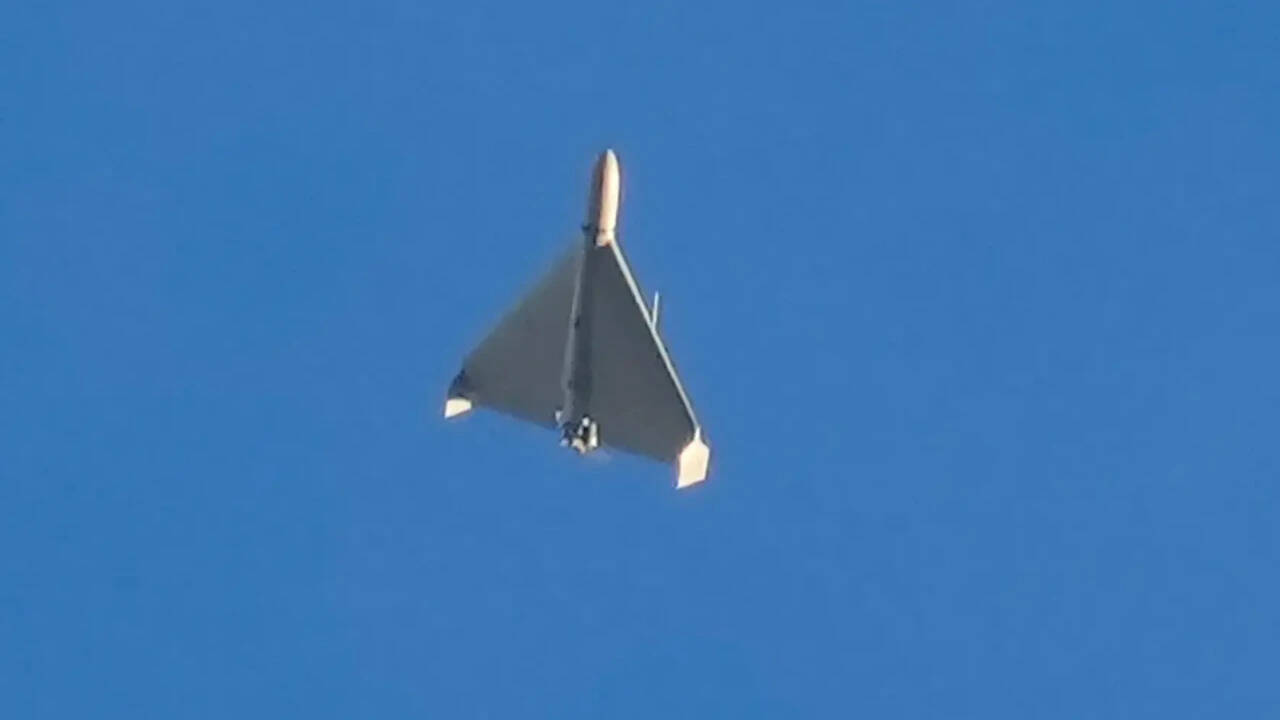
The frontline isn't just in eastern Europe anymore. Ukraine has quietly taken its war against Moscow across continents, dispatching elite drone specialists and military operators thousands of miles away to track, disrupt, and undermine Russian assets in places like Africa and the Middle East.
If you thought Kyiv's strategy was confined to trench warfare and domestic counter-offensives, think again. The conflict has evolved into a global chess match. Ukraine is playing to win on foreign soil.
Moving Beyond the European Theater
For years, the narrative around the Russian invasion focused strictly on occupied Ukrainian territory. But intelligence reports and ground accounts reveal a massive shift. Kyiv's defense apparatus has turned its hard-won drone expertise into an exportable foreign policy tool.
Why? Because choking Russia's geopolitical influence hurts Moscow just as much as destroying armor on the steppe.
Take northern Mali as a prime example. Small teams of Ukrainian drone operators have been operating hundreds of miles south of Europe, coordinating remote missions, feeding signals over the internet, and guiding Tuareg-led rebel factions via radio. These rebels are actively fighting Russian Africa Corps troops—the evolution of the Wagner Group after the death of Yevgeny Prigozhin.
It’s an asymmetric campaign. Ukrainian trainers aren't necessarily swapping gunfire on the frontlines themselves. Instead, they provide the tactical brains, digital connectivity, and technical know-how that turns local rebel units into precision threats against Russian-backed regimes.
The Middle East Connection and Shadow Fleets
Africa is just one piece of the puzzle. When Iranian-made Shahed drones started pounding civilian infrastructure in Europe and being deployed by proxy groups against Western allies, Kyiv noticed.
In response, Ukrainian military advisors deployed to at least half a dozen Middle Eastern countries. Their mission? Train local forces on how to counter and neutralize the exact same loitering munitions that terrorize Ukrainian cities daily. In exchange, Kyiv secures critical security agreements, intelligence-sharing, and promises of vital ammunition.
Meanwhile, naval drone operations have stretched as far as northwestern Libya. Intelligence personnel stationed out of bases in Misrata have reportedly utilized maritime drones to target Russia’s illicit "shadow fleet" of oil tankers. Disrupting Moscow's cash flow requires hitting the tankers keeping the Kremlin's war chest afloat, even if those vessels are cruising the Mediterranean.
Of course, running a global shadow war comes with massive friction.
The Real Risks of Exporting Asymmetric Warfare
Foreign deployments carry severe operational blowback. Expanding a drone network halfway across the world means things can—and do—go wrong.
Earlier this year, a Ukrainian naval drone packed with explosives broke free from its operators off the coast of Libya. It drifted all the way across the Mediterranean before washing up near Greece's Lefkada island, triggering an immediate diplomatic scramble and a formal protest. Kyiv quickly apologized, pointing fingers back at the messy maritime conditions created by Russia's dark shipping networks.
There are diplomatic storms, too. Mali, Niger, and Burkina Faso have formally accused Ukraine of sponsoring terrorism, dragging the issue straight to the United Nations Security Council after deadly clashes involving rebel forces and Russian mercenaries.
Yet, Kyiv remains undeterred. Former intelligence chief Kyrylo Budanov made it clear years ago that Ukraine intends to hunt Russian interests wherever they exist on the map.
The strategy is working. It ties down Russian resources, damages Moscow's reputation as an invincible security guarantor in the Global South, and weaponizes the brutal lessons learned in the trenches of Donbas.
If you want to understand where modern warfare is heading, stop looking at traditional map borders. Wars are no longer bound by geography. Ukraine proved that capability matters more than distance.