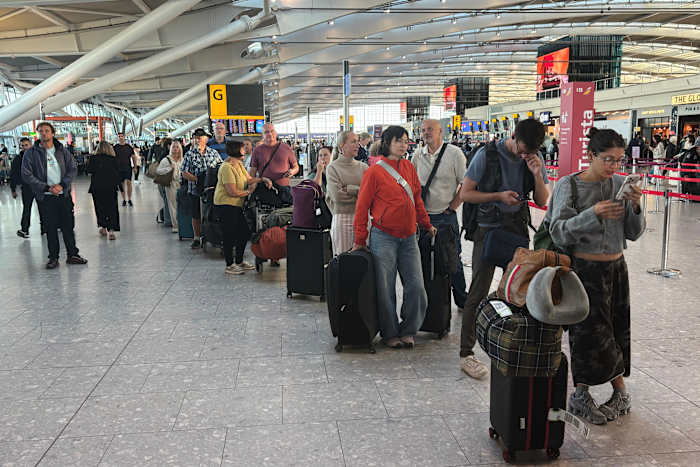
You show up to Heathrow, look at the departures board, and see a wall of red cancellations. Your vacation is wrecked before it starts. That was the grim reality for thousands of travelers caught in the massive air traffic control tech meltdown across the United Kingdom that grounded over 2,000 flights.
When NATS—the country's primary air navigation service provider—hit a wall due to a critical flight processing system failure, the entire aviation network ground to a halt. Planes sat stranded on runways. Passengers slept on terminal floors. Customer service phone lines went dead because carriers like British Airways were completely overwhelmed.
If you travel often, this story feels painfully familiar. It happens again and again.
The High Cost of Fragile Tech Systems
A single software glitch shouldn't be able to paralyze an entire nation's airspace. Yet, here we are. NATS managed to fix the core technical issue by Tuesday afternoon, but the ripple effects dragged on for days.
Why? Because modern commercial aviation runs on razor-thin margins and rigid scheduling. When flights stop for even a few hours, aircraft end up at the wrong airports, flight crews time out under strict safety regulations, and schedules snap like a cheap rubber band. Rebuilding that puzzle takes days.
Airlines were furious, and rightfully so. Industry leaders immediately started pointing fingers, demanding accountability from NATS Chief Executive Martin Rolfe. U.K. Transport Secretary Heidi Alexander hauled leadership into meetings, giving them just one week to complete a full investigation.
But investigations and apologies don't refund hotel rooms or give stranded passengers their lost time back.
When Customer Support Disappears
One of the most frustrating parts of any major travel disruption is the complete evaporation of customer support. When systems crash, airlines often shut down phone lines or hide behind automated chat bots that can't rebook a canceled international itinerary.
Take Charlie Adlard, a well-known comic book artist who worked on The Walking Dead series. He was heading from western England to a convention in Sicily when the meltdown hit. Stuck at Heathrow with zero information and a dead phone line to British Airways, he faced a choice: waste days playing airport lottery or just go home. He chose to turn back, eating the cost of hotels, missed work, and wasted tickets.
When you travel, you're entirely at the mercy of infrastructure you can't see and corporations that treat your journey as a spreadsheet entry.
What You Can Do When the System Fails
You can't fix national air traffic control software. But you can stop getting completely blindsided by it.
First, stop trusting airline apps to notify you first. By the time an app updates, you've already lost your place in line. Monitor independent tracking tools or check airport social media feeds directly.
Second, if an airline cancels your flight, don't wait on hold with a call center while standing in a massive terminal queue. Call an international customer service line for that same airline in a different country, or use alternate channels like social media messaging where support teams sometimes have more operational flexibility.
Finally, build buffer days into tight travel itineraries. If a single tech glitch can erase two thousand flights in 48 hours, treating tight connections as a normal part of travel is a gamble you're bound to lose eventually.
Check your flight status before leaving home. Travel only when your departure is confirmed. And never assume the system has your back.