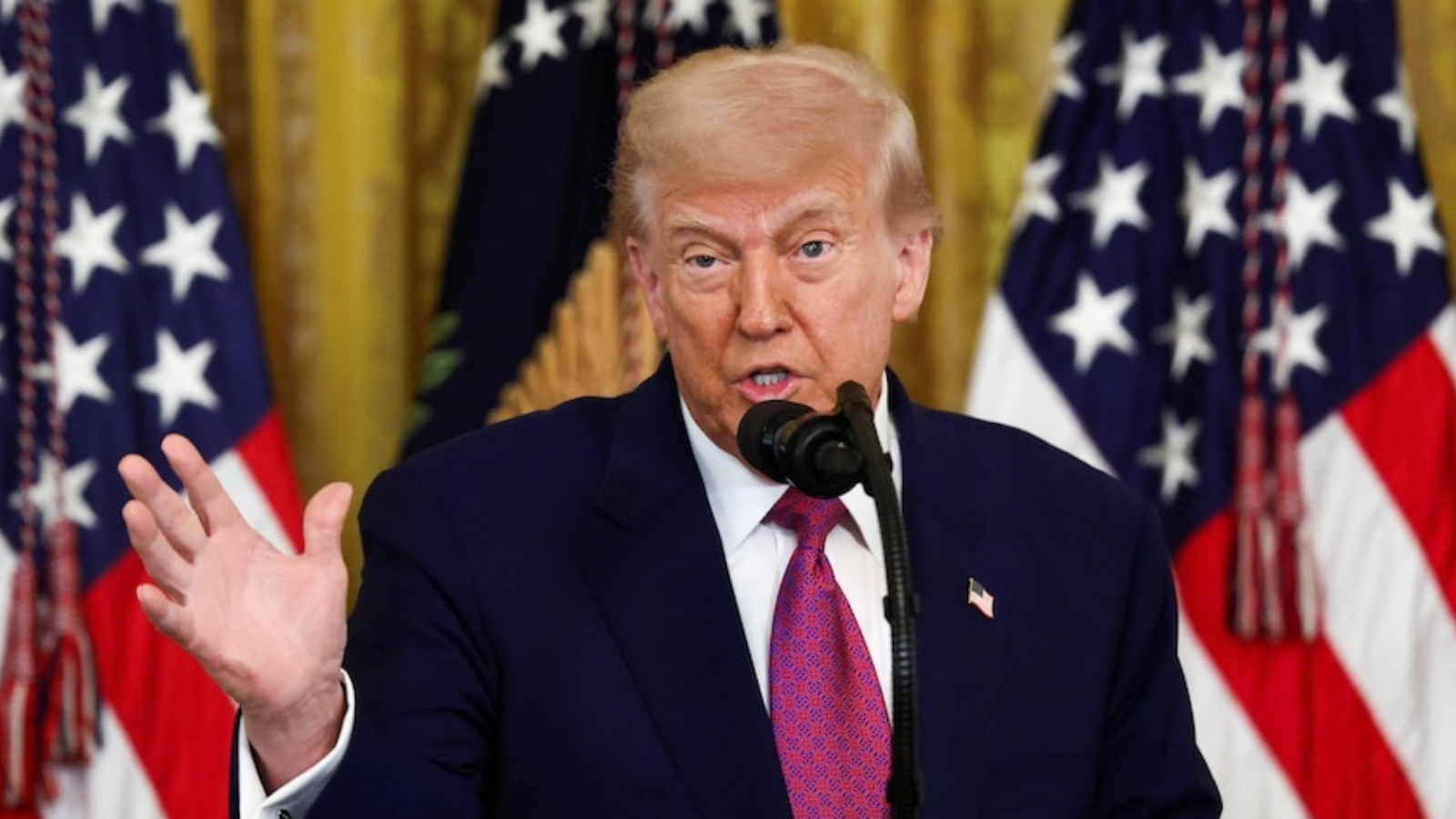
Foreign policy rarely sounds this blunt. When US President Donald Trump stood before a crowd in Michigan and declared that you cannot bribe Iran, he stripped away decades of diplomatic varnish. You have to beat them, he told supporters, signaling a strange mixture of active ceasefire negotiations and absolute readiness for renewed warfare.
If you are trying to make sense of why Washington is simultaneously holding friendly talks with Tehran while regional drone strikes still rattle the Middle East, you are looking at a classic high-stakes pressure play. Diplomacy right now is not about finding common ground out of goodwill. It is a fragile pause born from a grueling two-week US air campaign that hammered Iranian military assets, naval capabilities, and infrastructure.
The Reality Behind the Table Talks
Let us be honest about what is actually happening. Both sides are talking because the alternative became too expensive. Trump claimed credit for shifting the regional balance of power, pointing to the destruction of key manufacturing hubs and military installations. Yet, calling these negotiations "very friendly" ignores the reality on the ground.
Regional ripples refuse to calm down. Saudi Arabia, Jordan, and Iraq have reported sudden drone attacks targeting infrastructure, proving that local proxy networks and aligned factions operate on their own timelines. Meanwhile, Iranian officials deny ever begging for peace talks, calling claims of a requested dialogue fabricated political theater.
This deep contradiction defines the current standoff.
- Washington pauses bombing runs while pushing for a firm nuclear framework and free navigation through the Strait of Hormuz.
- Tehran insists on controlling maritime transit closer to its own coastline, rejecting what it labels an illegal blockade.
- Hardliners inside Iran openly criticize any compromise, arguing that yielding to American pressure sets a dangerous domestic precedent.
Why Incentives Fail in This Conflict
Trump's core argument rests on a simple premise: financial incentives or soft sanctions relief will not alter strategic ambitions in Tehran. Traditional containment strategies rely on the idea that leaders eventually prefer economic stability over isolation. History suggests otherwise for revolutionary states. When economic pressure mounts, hardline factions often tighten their grip rather than soften their stance.
That is why the threat of force remains the primary anchor of US strategy. Trump made it clear that if current diplomatic tracks fail to yield a binding agreement by the end of August, the military campaign resumes instantly. There is no middle ground left for slow-moving bureaucratic committees.
The Domestic and Global Fallout
Markets react instantly to this volatility. Global oil prices swung wildly as traders tried to price in the sudden halt of US air strikes alongside ongoing regional skirmishes. Energy markets remain vulnerable because any miscalculation in the Gulf can instantly choke vital supply lines.
Domestically, the conflict occupies a strange space ahead of the midterm elections. While foreign policy wins poll differently than domestic economic concerns, the administration uses these developments to project strength.
Expect no permanent resolutions overnight. The current dialogue is a stress test. Watch the upcoming diplomatic deadlines and regional shipping lanes closely, because the line between friendly negotiations and a full return to hostilities remains razor thin.