Diplomatic showdowns rarely happen in a vacuum. Right now, Washington is slamming the door shut on international forums once again.
The US State Department confirmed that entry visas for Palestinian officials have been denied ahead of the upcoming United Nations General Assembly in New York. This marks the second consecutive year that top leadership from the Palestinian Authority (PA) and the Palestine Liberation Organization (PLO) have been barred from stepping foot on American soil for the global summit.
Why is this happening? Let's look at the official reasoning. Washington argues that Palestinian leadership has failed to honor past commitments. They point directly to ongoing efforts to internationalize the conflict through legal bodies like the International Criminal Court (ICC) and the International Court of Justice (ICJ). US officials also cite allegations of glorifying terrorism and a general failure to enact internal reforms.
Unsurprisingly, the Palestinian Foreign Ministry slammed the decision. They called it an unjustified measure that actively sabotages trust-building efforts and undermines the path toward a two-state solution.
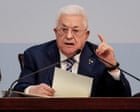
President Mahmoud Abbas is bearing the brunt of this block. Instead of addressing the assembly in person, he will once again be forced to deliver his remarks via video link, just as he did last year. The UN General Assembly voted to allow this remote arrangement, ensuring Palestinian voices aren't entirely erased from the floor, even if they're stuck behind a screen thousands of miles away.
What This Means for US Foreign Policy
Foreign policy battles are rarely just about travel paperwork. They are power plays. By locking out the Palestinian delegation, the Trump administration is drawing a hard line. It punishes legal maneuvers at the UN and international courts while signaling absolute alignment with specific regional strategies.
Critics argue this isolation tactic backfires. When you shut down direct diplomatic channels, you reduce room for actual negotiation. You push friction points further underground. But the administration clearly calculates that the diplomatic fallout is worth paying. They're betting that doubling down on sanctions against PLO members sends a message far beyond New York.
The Broader Global Reaction
The international community watches these moves closely. The UN General Assembly is designed to be a neutral ground for global dialogue, regardless of bilateral grievances. When host countries start gatekeeping access based on political disagreements, it sets a tense precedent for international law and diplomatic protocol.
Will remote video addresses become the permanent workaround for sidelined delegations? It looks that way. But pixels on a screen cannot replace the backstage diplomacy, handshakes, and tense hallway negotiations that define high-stakes international summits.
Check your assumptions about how international bodies operate. Access is never guaranteed, and diplomacy remains deeply vulnerable to shifting political whims in Washington.


