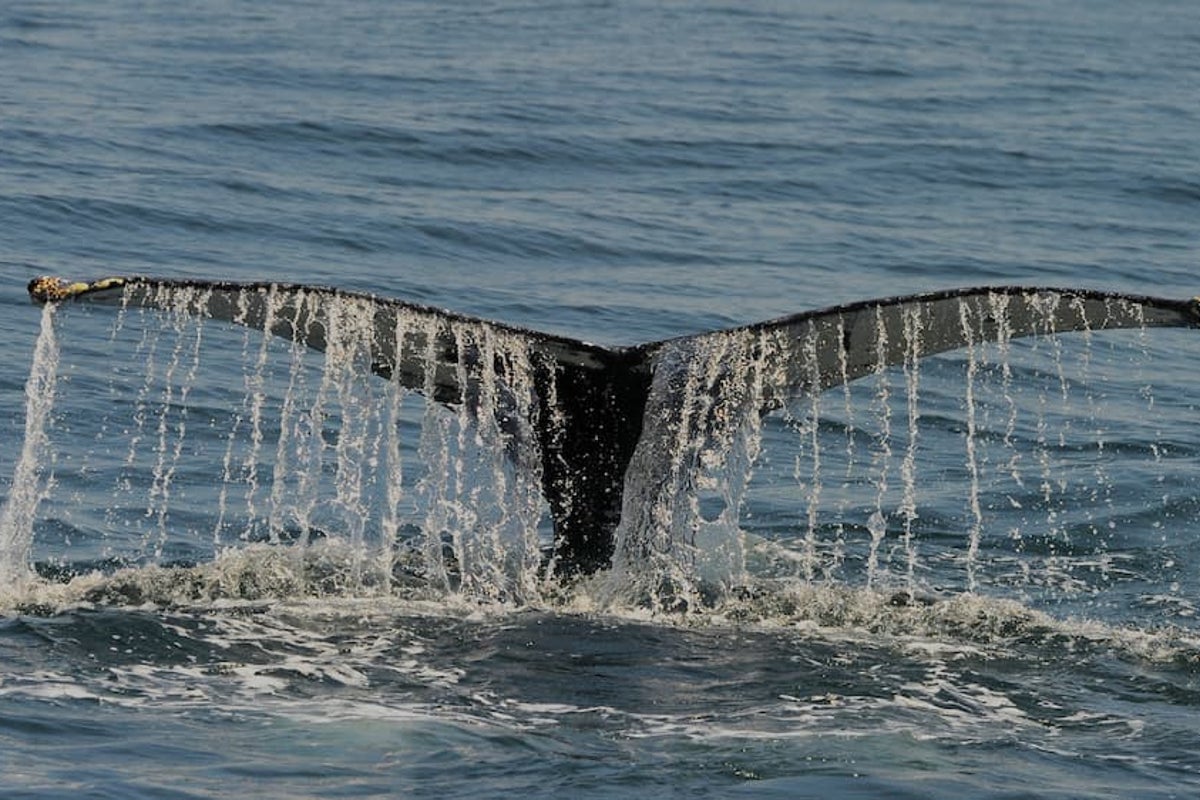
Science missed a massive piece of the puzzle. For over a decade, marine biologists were entirely baffled by a bizarre quirk of behavior displayed by humpback whales along the coast of Queensland. Whales were spotted floating completely upside down, holding their massive tails high above the water for hours on end. Nobody knew why.
Commercial tour operators and local reef guides spent years watching this weird behavior out on the water. They noticed patterns that academic researchers missing from the daily grind simply hadn't pieced together yet. When these guides finally brought their observational data to the Great Barrier Reef authorities, it triggered a massive joint effort.
The truth was hiding in plain sight.
The Mystery of the Upside-Down Whales
It all started back in 2009. Tour guides operating daily excursions along the central coast of Queensland began noticing something strange. Large numbers of humpbacks were lingering in specific shallow zones, holding rigid, unnatural postures. They weren't breaching or singing traditional mating songs. They were just hanging out vertically or inverted with their flukes exposed.
At the time, whale scientists had no explanation. The ocean is massive, and researchers can't be everywhere at once. Academic funding rarely covers sitting on a boat every single day watching ordinary behavior.
That is where the tourism industry changed the game.
Crystal Lacey, a reef guides program manager, pointed out that the sheer uncertainty of this fluking behavior forced a heavy collaboration. Tour operators turned into field researchers. They started logging every single sighting using tools like the Eye on the Reef program. They counted adults, tracked calves, and noted exact locations.
Scientists stepped in to back them up. They mapped the complex seafloor topography, monitored local water temperatures, tracked individuals via satellite, and ran aerial surveys over the region.
Finding the Hidden Maternity Ward
All that coordinated legwork paid off in a big way. The data pointed directly to a secret that had eluded science for generations.
The Whitsunday tropical islands were acting as a massive, hidden humpback whale "maternity ward."
During peak seasons, the numbers were staggering. In a single year of intensive tracking, observers logged 780 adult whales and 153 vulnerable calves in those exact shallow waters. The upright tails and floating postures weren't random anomalies. They were part of a specialized resting and calving routine adapted to the protected geography of the area.
Humpbacks embark on an epic 10,000-kilometer round-trip migration every year. They travel from the freezing feeding grounds of Antarctica all the way up to the warm tropical waters of Australia. But finding the right spot to drop a calf is high stakes. Newborn whales lack the blubber layer required to survive rough, cold open ocean conditions.
The Whitsundays provide the exact shelter, warm temperatures, and shallow depths mothers need.
How Citizen Science Rewrote Marine Protection
This discovery didn't just stay in an academic journal. It fundamentally changed how the Australian government manages the marine park.
Authorities established a dedicated Whale Protection Area right in the heart of the Whitsundays. This zone carries much stricter regulations than standard marine park rules. Vessel approach distances were tightened up, and commercial traffic faced heavier oversight to keep the nursery zone safe from disruption.
Because of this grassroots push, the Whitsundays earned official Whale Heritage Area status. It currently stands out as the only place on Earth where a designated Whale Heritage Area sits completely inside a UNESCO World Heritage Area.
It proves a simple point. People working on the front lines every day often see what textbooks miss.
The New Challenge of Success
Solving the mystery comes with its own headaches. Conservation efforts have worked almost too well. Commercial whaling decimated the east Australian humpback population down to an estimated 500 individuals six decades ago. Today, that number sits around 50,000.
That population explosion means more animals sharing crowded coastal waters with commercial shipping lanes, recreational boaters, and whale-watching vessels. Compliance data from the Reef Authority shows that illegal close encounters and unlawful swimming incidents near whales spiked noticeably over recent seasons.
When you have thousands of 40-tonne marine mammals swimming through busy tourism corridors, friction is inevitable. Wildlife managers now face the tricky task of letting people experience these animals without loving them to death.
If you plan to hit the water to catch a glimpse of the migration, respect the distance laws. Give the whales room to breathe, rest, and nurse their calves in peace.