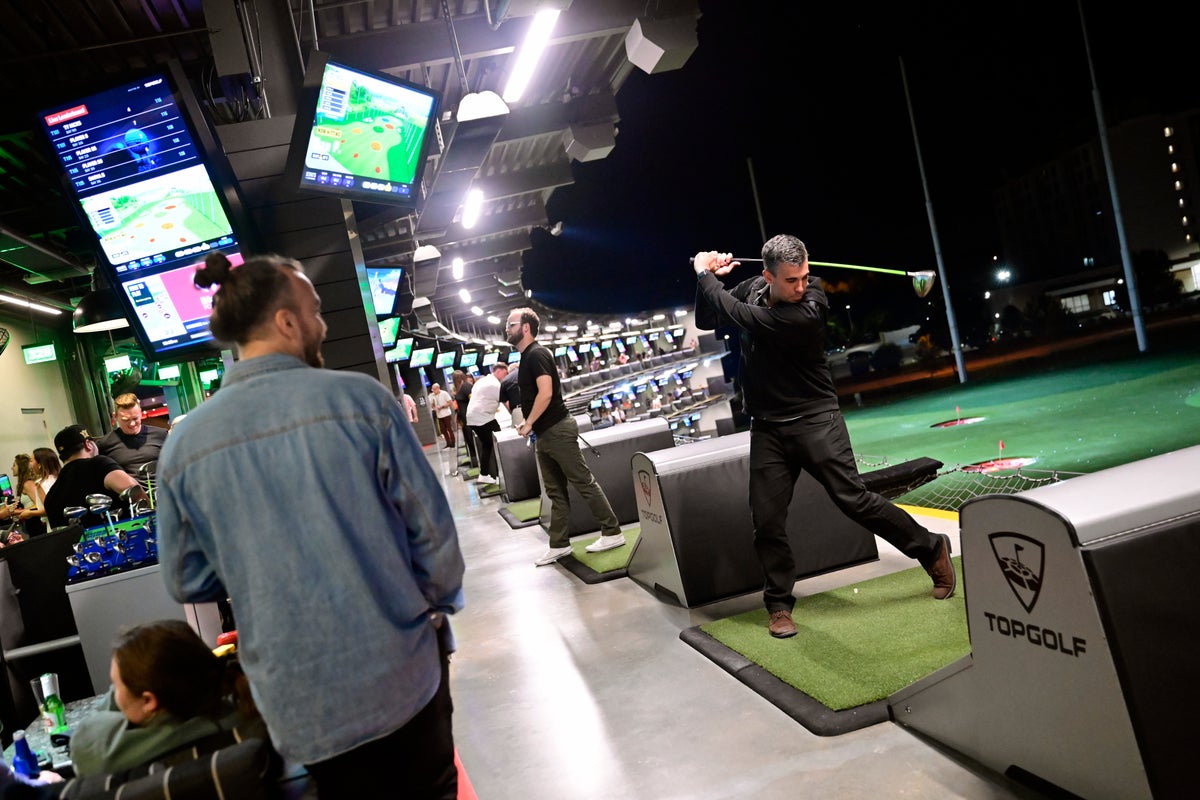
You walk into Topgolf expecting a high-energy evening with drinks, music, and a casual driving range vibe. Most people view it as a harmless night out or a fun spot for a kid’s birthday party. But behind the neon lights and food trays, a pattern of severe injuries and multi-million-dollar court judgments reveals a troubling reality about venue layout and guest safety.
The core of the issue isn't just an occasional stray swing. It comes down to how these commercial venues are physically designed, how close patrons sit to active swings, and whether painted lines on the floor are enough to prevent catastrophic brain injuries.
A Single Swing Can Change Everything
Consider what happened at a venue in Hillsboro, Oregon. A nine-year-old boy was attending a friend’s birthday party. He stepped slightly behind another child who was in the middle of a golf swing. In less than a second, the driver struck him directly in the head.
The damage was horrific. The child suffered an open depressed skull fracture, an orbital roof fracture, a cerebral hemorrhage, and a traumatic brain injury. Emergency neurosurgery was required, resulting in three permanent titanium plates being installed in his skull.
A federal jury in 2025 reviewed the evidence and awarded $15.8 million to the boy and his mother. The jury found the venue 97% negligent for the incident. Why such a heavy proportion of blame on the venue rather than the parents or the kid swinging the club? Because court records proved company executives knew about these exact physical risks for years and repeatedly chose not to install physical safety barriers.
Painted Lines versus Physical Barriers
Walk into almost any modern golf entertainment venue and you'll see a red line painted on the floor. Guests are told that staying behind the line keeps them safe.
It sounds simple. But in practice, painted lines rarely work in high-distraction environments filled with alcohol, loud music, and energetic kids.
Tight Spaces create High Risk
In many hitting bays, the distance between the seating area and the active swing zone is 18 inches or less. That's far shorter than the reach of a typical driver swung by an adult or an overly enthusiastic teenager.
If someone leans back, reaches for a chip, or steps forward to grab a drink, they're instantly in the arc of a full swing. Expecting a line painted on concrete to protect someone from a metal club traveling at 80 miles per hour is a massive oversight.
Internal Safety Warnings Were Ignored
Court disclosures during litigation showed that safety consultants flagged this hazard as early as 2012. Risk managers photographed patrons standing in vulnerable spots and explicitly recommended installing physical railings or transparent shields between seating areas and hitting zones.
Those recommendations were brushed aside. Installing permanent glass barriers or metal railings costs money and slightly alters the open, lounge-style feel that marketing teams love. But relying solely on audio announcements and floor paint left thousands of visitors vulnerable to serious bodily harm.
Why Negligence Claims Keep Winning in Court
When someone gets hurt at an entertainment range, defense attorneys usually try to blame customer carelessness or poor parental supervision. They argue that golf clubs are obviously dangerous and that users assume the risk when they step into a bay.
Judges and juries aren't buying that defense anymore. Here is why liability keeps landing squarely on venue operators.
Marketing Promises Create a False Sense of Security
Venues advertise themselves as family-friendly, stress-free party destinations. When marketing tells parents "you invite the guests, we'll handle the rest," it sets an expectation that the environment is controlled and safe. Focus groups and juries hold companies accountable to those exact promises.
Standard Operating Procedures Aren't Followed
Company policy often dictates that "bay hosts" or staff members must give every group a formal safety briefing before handing over clubs. In reality, when venues are packed on a busy Saturday, workers frequently skip these talks to keep bay turnover moving quickly. Failing to follow internal safety protocols gives personal injury attorneys an open goal in court.
A History of Similar Incidents
Lawsuits have uncovered hundreds of injury reports across venues nationwide involving facial disfigurement, eye loss, and severe concussions. When a company knows a specific hazard keeps harming customers and refrains from fixing the underlying design, courts view that choice as gross negligence.
What You Should Do to Protect Yourself and Your Family
You don't have to skip golf entertainment altogether, but you should change how you interact with the space. Never trust a red line on the floor to keep you or your children safe.
- Designate a strict safety zone inside your bay. Keep everyone seated at the far back tables while anyone is actively holding a club.
- Enforce one active player at a time. Never allow two people to handle clubs or stand near the hitting mat simultaneously, regardless of how eager kids might be.
- Inspect the bay layout immediately. If your table sits less than two arm lengths from the mat, ask staff to move your group to a larger or safer bay.
- Demand a safety briefing if staff skip it. Ensure everyone in your party, especially children, clearly hears the rules from an employee before play starts.
- Document any unsafe conditions immediately. If you notice broken equipment, missing warning signs, or reckless behavior in adjacent bays that staff fail to manage, take photos and notify management in writing.
If an injury occurs, seek immediate emergency medical evaluation, take photos of the exact bay setup, and consult a qualified premises liability attorney before signing any incident reports or accepting settlements from venue management.