Diplomatic immunity isn't just a courtesy—it's the foundational law keeping international relations from collapsing into absolute chaos.
When security forces intentionally break that law, alarm bells ring in foreign ministries across the globe.
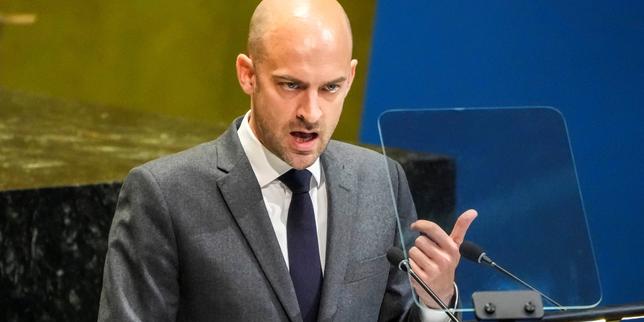
On July 19, 2026, Iranian security forces detained, interrogated, and physically assaulted French embassy staff in Tehran. Foreign Minister Jean-Noël Barrot publicly denounced the assault as an "extremely serious act of intimidation".
This wasn't a minor administrative friction or a misunderstanding at a police checkpoint. It was a calculated move by Tehran.
Here is what actually went down in Tehran, why the Iranian security apparatus targeted these specific diplomats, and what this escalated hostility means for Western nations operating in volatile territories.
The Reality of the Incident in Tehran
Sunday evening transformed into a nightmare for two French embassy personnel in Iran.
Iranian security services intercepted the two French agents without legal justification. For hours, they were held in custody, forced through aggressive questioning sessions, and subjected to physical mistreatment—specifically, one diplomat was physically assaulted.
They were eventually released and made it back safely to the French embassy compound. Foreign Minister Barrot confirmed that both diplomats are being evacuated back to France immediately.
"Sunday evening, two agents of the French embassy in Iran were the target of an extremely serious act of intimidation by the Iranian security services, in flagrant violation of the diplomatic immunities they enjoy," Barrot stated in a formal announcement.
The timing wasn't accidental. The target choice speaks volumes about Tehran's internal paranoid state.
Why These Specific Diplomats Were Targeted
You might wonder why Iranian intelligence chose to target these two individuals instead of higher-ranking embassy brass.
The answer lies in their portfolio.
These two French agents were tasked with managing France's support programs for Iranian civil society. Specifically, they worked directly with local Iranian artists, researchers, and scientific scholars.
In the eyes of the Islamic Revolutionary Guard Corps (IRGC) and domestic intelligence organs, soft-power diplomatic engagement is viewed with deep hostility. Tehran routinely views cultural exchanges, artistic grants, and academic collaboration as covert Western interference designed to undermine regime stability.
By ambushing agents running civil society initiatives, Tehran sent a clear message: direct engagement with Iranian citizens will be met with violence.
A Direct Violation of the Vienna Convention
Diplomatic protocol isn't optional. It's codified under the 1961 Vienna Convention on Diplomatic Relations, signed and ratified by both France and Iran.
Article 29 of the convention states explicitly:
- The person of a diplomatic agent shall be inviolable.
- Diplomatic agents shall not be liable to any form of arrest or detention.
- The receiving State shall treat them with due respect and take all appropriate steps to prevent any attack on their person, freedom, or dignity.
Holding diplomatic agents for hours, interrogating them, and physically roughing one up violates every clause of Article 29.
When a state intentionally tramples on the Vienna Convention, it isn't just picking a fight with one country. It is signalling that standard diplomatic rules no longer apply on its soil.
The Broader Pressure Cooker Behind the Conflict
This physical aggression didn't happen in a vacuum. Geopolitical friction between Paris and Tehran has reached a boiling point over several overlapping issues:
1. Hardline Stance on Sanctions
Just days before this incident, Jean-Noël Barrot reiterated during a trip to Iceland that the European Union would not lift economic sanctions on Tehran. The position remains firm: no sanction relief until Iran completely halts nuclear enrichment activities and ends regional destabilization.
2. State-Sponsored Hostage Diplomacy
Iran has a long, documented history of using foreign nationals and dual citizens as political bargaining chips—a tactic commonly referred to as "hostage diplomacy." Western citizens face arbitrary arrest under fabricated espionage charges, later traded for convicted Iranian operatives or unfrozen financial assets abroad.
3. Escalating Regional Military Tensions
Tehran faces mounting international isolation and escalating military pressure across the Middle East. As internal economic stress grows and regional proxy networks face continuous pressure, hardline factions within Iran often lash out at Western targets inside their borders to demonstrate strength home and abroad.
In this context, grabbing two foreign diplomats was a deliberate escalation designed to test France's resolve.
How Paris Is Positioned to Respond
Jean-Noël Barrot directly contacted his Iranian counterpart, Foreign Minister Abbas Araghchi, making it clear that this assault "cannot remain without consequence".
Diplomacy moves in calculated stages. Here is how France and its European allies can—and likely will—retaliate in the coming days:
- Expulsion of Iranian Diplomats: France can declare Iranian diplomatic staff in Paris persona non grata, ordering them to leave French territory within 48 to 72 hours.
- Reduction of Diplomatic Footprints: Paris may temporarily pull non-essential diplomatic staff out of Tehran, shrinking its embassy presence to bare-bones operational personnel to protect lives.
- Targeted EU Sanctions: France can motion for immediate, targeted sanctions against the specific intelligence commanders and security units responsible for the harassment of foreign personnel.
- Stricter Travel Warnings: Issuing top-level advisories urging all French citizens and dual nationals to leave Iran immediately due to imminent risk of arbitrary arrest or physical harm.
Practical Protocols for Organizations Operating in High-Risk Zones
If your organization, non-profit, or media outlet operates in territories where state authorities actively target foreign personnel, immediate security shifts are necessary.
Conduct Emergency Risk Audits
Re-evaluate the necessity of in-person presence for staff handling sensitive civil society, human rights, or cultural portfolios. If security services begin targeting lower-level operatives, formal embassy protection won't guarantee safety.Implement Strict Check-In Sequences
Establish mandatory, timed communication check-ins for field personnel. If an agent fails to report at a designated interval, trigger automatic escalation protocols to notify embassy security officers immediately.Secure Local Partner Data
Immediately audit and encrypt all contact databases containing details of local artists, academics, and researchers. During interrogations, security services often target digital devices to extract information on domestic contacts.Prepare Immediate Evacuation Contingency Plans
Keep emergency travel documentation, exit visas, and secure transportation channels updated at all times. Do not wait for a formal diplomatic crisis to plan an emergency extraction.
France's immediate withdrawal of its two agents signals that safe operations in Tehran have effectively collapsed for civil society staff. Expect diplomatic relations between Paris and Tehran to freeze further as France prepares its official retaliatory measures.