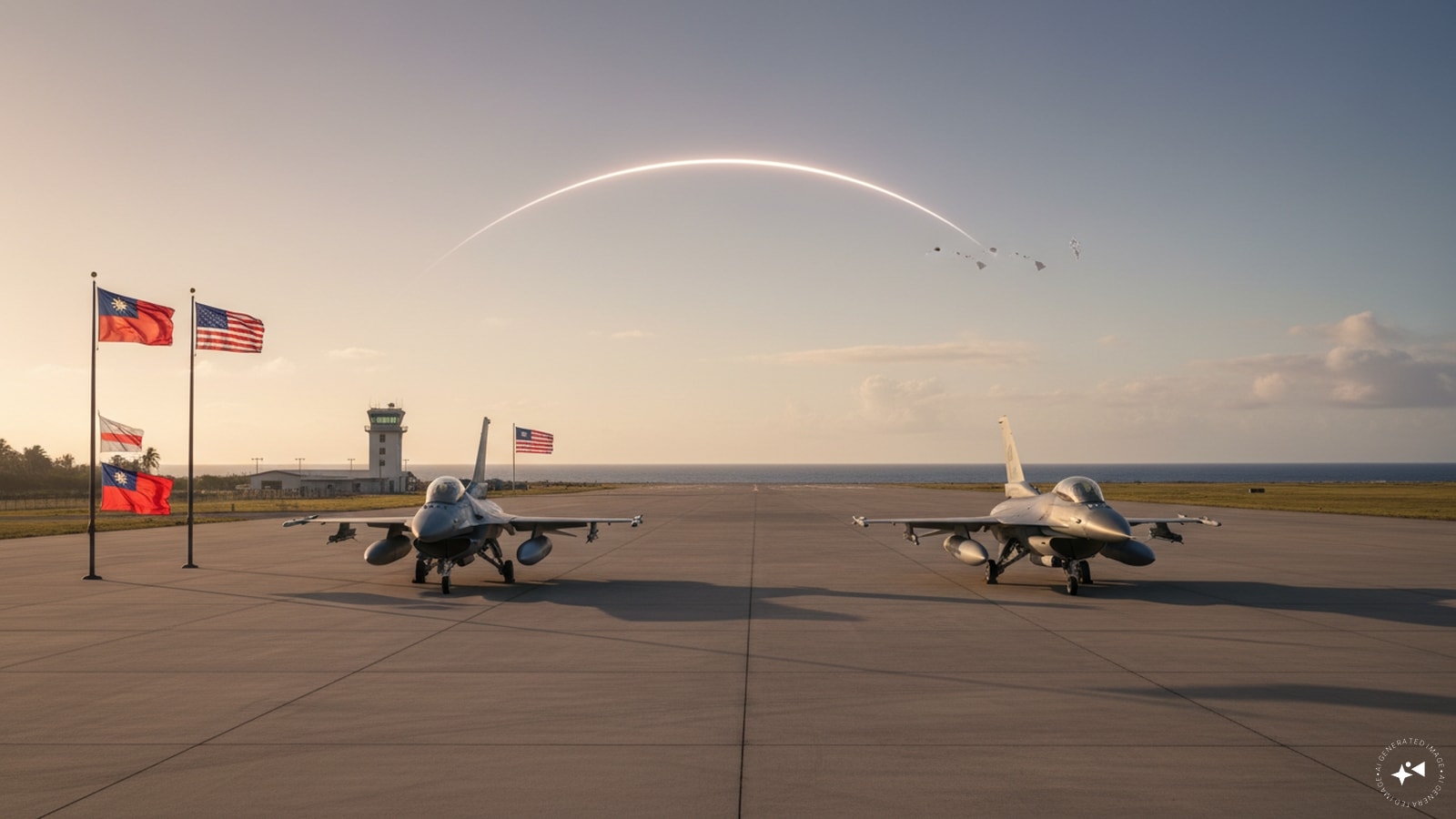
Two brand new F-16 Block 70 fighters just turned back over the Pacific, leaving them stranded in Hawaii and sparking fresh panic over Taiwan's air defense upgrade. If you think a multi-billion dollar military order means fast shipping, think again.
The jets—tail numbers 6727 and 6728—were supposed to land at Zhihang Air Base in Taitung County. Instead, after taking off from the Pearl Harbor-Hickam base, they aborted their trans-Pacific journey twice. They taxied out, took off, and turned right back around. Neither Washington nor Taipei wants to give a straight answer about what went wrong. Local military analysts point to minor technical adjustments, weather patterns, or logistical hiccups over the long trek to Guam. Whatever the actual cause, it is a glaring symptom of a much larger headache.
The Reality Behind The 8 Billion Dollar Backlog
Taiwan bought 66 new F-16 Block 70 jets back in 2019 for roughly 7.6 billion dollars. They were supposed to arrive starting in 2023. Now? The timeline keeps sliding. Production line relocations, global supply chain shocks, software bugs, and intense flight testing have wrecked the original schedule.
People assume defense contracts are airtight. They aren't. Lockheed Martin has struggled to keep pace while managing a massive backlog of international orders. When you look at the broader picture, Taipei is currently staring down an enormous stack of delayed American arms worth over 21 billion dollars.
Why Trans Pacific Military Deliveries Are A Logistics Nightmare
Ferrying a fighter jet across an ocean isn't like shipping a package via air freight. It takes meticulous planning.
- Aerial Refueling: Single-seat F-16s need constant support from US Air Force tankers like the KC-135 just to survive the leg from the continental United States to Hawaii, and onward to Guam.
- Intermediate Stops: Pilots face strict weather windows across thousands of miles of open water.
- Maintenance Checks: High-tech electronics and APG-83 active electronically scanned array radars demand hyper-sensitive calibration. If a single warning light flickers over the Pacific, turning back is the only safe option.
When weather or minor technical gremlins pop up, the whole pipeline stalls.
The Bigger Threat Facing Taiwan's Air Force
Delays aren't just about hardware sitting on a tarmac in Hawaii. They expose a ticking clock. China’s People's Liberation Army keeps expanding its combat-air fleet at a breakneck speed, deploying advanced stealth fighters and long-range rocket artillery capable of locking down crucial straits.
Taiwan currently flies an older fleet of F-16A/B Block 20s that have been upgraded to the F-16V standard. While those jets are capable, they cannot shoulder the defensive burden alone indefinitely. The 66 Block 70 aircraft are meant to anchor the eastern defense wing, utilizing modern avionics to counter stealth threats. Every month these jets sit grounded in Hawaii or delayed on factory floors means less training time for pilots who are already facing intense operational strain.
Defense experts have also warned about pilot retention issues in Taiwan, noting that an overloaded training pipeline combined with delays makes modernization a grueling uphill battle. Hardware sitting in limbo doesn't deter anyone.
Keep an eye on how quickly these specific jets manage to clear Hawaii on their next attempt. It will tell you everything you need to know about whether Washington can actually fix its broken defense supply chain before it is too late.