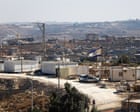
Imagine sealing your eyes shut in pitch-black water, terrified that sharp debris might blind you before starvation or suffocation does. That was the grim reality for Sanjay Sah and Kabir Maharjan inside the Upper Trishuli 3A Hydropower Project tunnel in Nepal. When a catastrophic glacier collapse triggered flash floods and deadly mudslides, rushing water sealed the underground passages. Most people assume survival stories from massive natural disasters are pure luck. But looking closely at how these two men endured nine days in a submerged air pocket reveals specific factors: strategic shelter placement, mental conditioning, and an aggressive, improvised rescue operation that refused to quit.
The disaster struck without warning on August 26, when a glacier on the Langtang Lirung mountain collapsed, sending a wall of water and debris crashing through river valleys. It flattened communities and flooded multiple hydroelectric stations. Inside the Trishuli-3A complex, workers faced immediate chaos. While some workers were tragically swept away because they didn't know where to evacuate, Sah and Maharjan found themselves trapped about 160 meters from the exit in a high cable tunnel. They took refuge in a confined air-filled chamber, which quickly transformed from a safety pocket into a claustrophobic prison.
Surviving the Unimaginable Underground
How do you stay alive for over a week in complete darkness with no food and contaminated water? For Sah, a mechanical foreman, physical movement was restricted not just by the wreckage, but by survival instinct. He kept his eyes shut for days to avoid injuring them on hidden, jagged debris. When despair crept in, he relied heavily on mental discipline, reciting the Hindu Maha Mantra to stay calm and grounded. Maharjan fought through severe injuries, drifting in and out of consciousness in a pool of muddy water and sipping the same water he slept in to stave off dehydration.
Both men lost track of time entirely, believing only a couple of days had slipped by when they had actually been underground for over a week. Outside, their families faced a harrowing emotional toll. Relatives stared at photographs of riverbanks where station entrances once stood, fighting a growing sense of hopelessness. Yet, underground, the human will to live kept both men listening for any clue that help was on the way.
The Frantic Rescue Against the Mountain
The breakthrough didn't happen by accident. Rescue teams, including engineers and military personnel led by local coordinators, faced immense danger from unstable mud-clogged passages and secondary rainstorms. At one point, a partial collapse even trapped several rescuers temporarily. Crews had to improvise, tapping a natural channel above the tunnel and using high-pressure water jets to clear stubborn blocks of debris.
On the tenth day, heavy equipment operators finally heard faint sounds through the drilling noise. Rescuers cut their engines, shouting into the dark until they caught the faint reply. Breaking through the final layers of mud, they pulled Sah out on a rescue worker's back and Maharjan out on a stretcher. Their extraordinary extraction brought rare joy to a nation still mourning thousands of casualties and missing workers from the disaster.
If you want to understand how real disasters unfold and how precise engineering coordination saves lives when all odds are against the victims, look past standard news updates and study the actual rescue operations. Pay attention to local disaster preparedness warnings, support relief efforts for affected families in the Himalayan region, and recognize the immense physical endurance required when nature strikes without warning.
Extraordinary moment two Nepalese workers rescued after nine days trapped
This video provides footage and detailed coverage of the dramatic rescue operation that pulled the two workers alive from the hydropower tunnel in Nepal.
http://googleusercontent.com/youtube_content/1