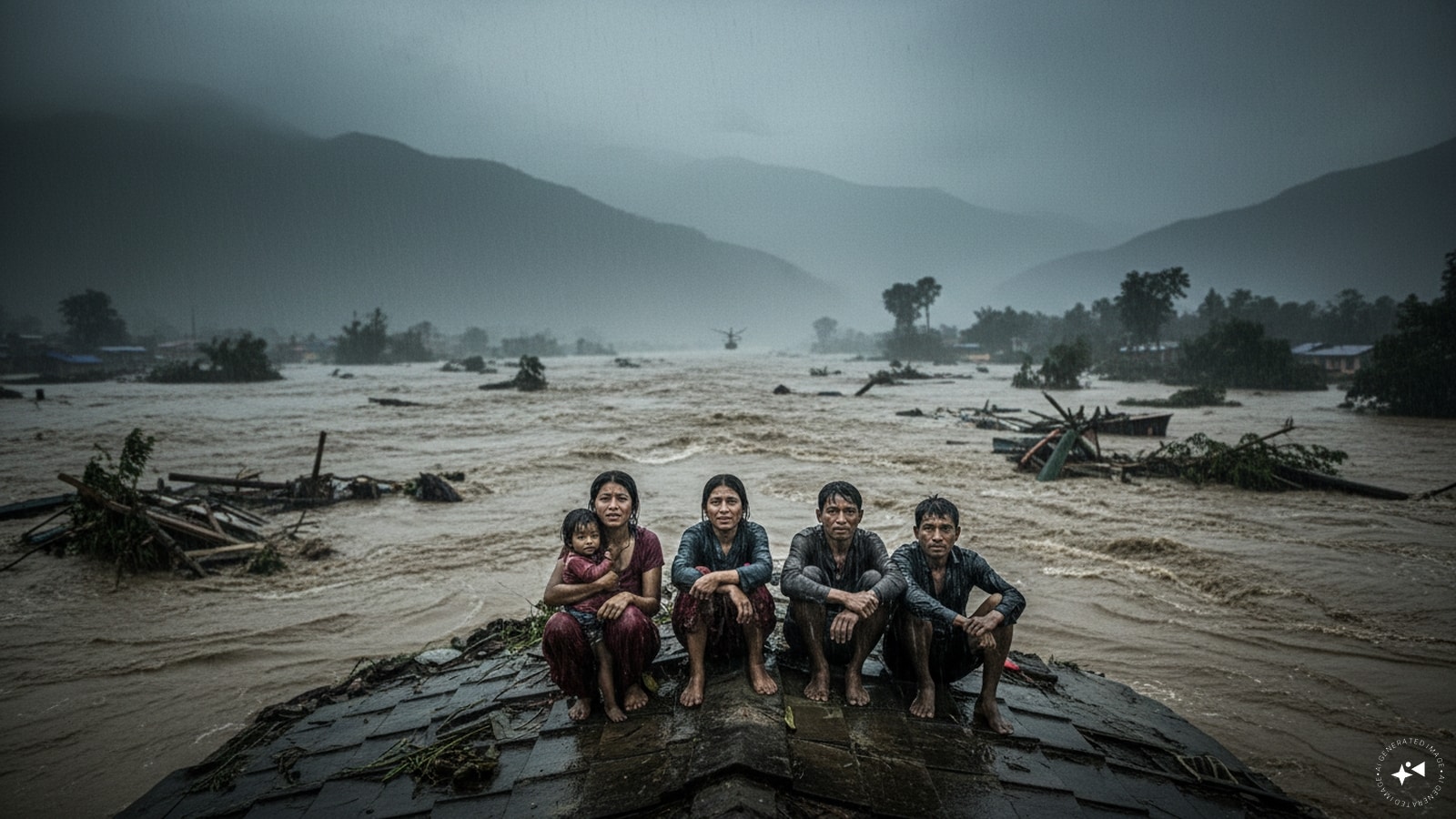
If your town gets hit by a tornado, a flash flood, or a brutal blizzard tomorrow, you probably expect the federal government to swoop in with financial support. That used to be a safe bet in American politics. Now, it is a massive gamble.
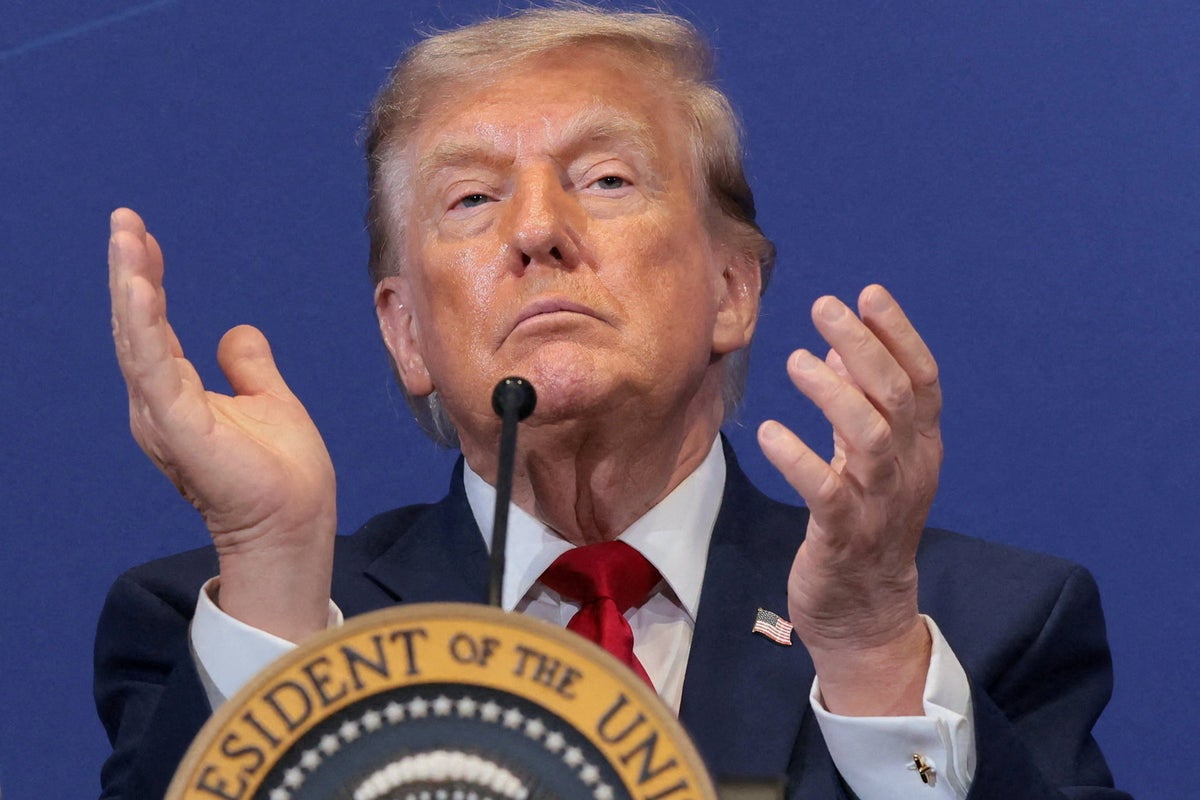
A string of recent investigations, including a detailed analysis of Federal Emergency Management Agency (FEMA) data by the Associated Press, shows that the Trump administration is taking longer than any modern president to approve disaster aid. The safety net that local governments and families have relied on for decades is fraying, and it is happening by design.
For survivors waiting on temporary lodging, home repairs, or daily living expenses, these delays are agonizing. For city mayors trying to figure out if they will ever be reimbursed for clearing millions of dollars in storm debris, it is a financial nightmare. The old consensus that disasters transcend partisan politics is officially dead.
Why Disaster Aid is Drastically Slowing Down
Under the Stafford Act of 1988, the law that governs how the federal government responds to emergencies, the president has absolute, unilateral discretion to approve or deny major disaster declarations. There is no automatic trigger. Even if a storm does hundreds of millions of dollars in damage and blows past every official FEMA threshold, the final signature must come from the Oval Office.
Historically, presidents of both parties treated this duty as a quick, administrative formality. During the 1990s and 2000s, governors typically got an answer to their disaster aid requests in less than two weeks. Under Barack Obama and Joe Biden, that average hovered around three weeks.
Right now, the wait time has surged past a month on average, making this the slowest disaster response approval rate since modern tracking began in 1989.
According to the data, a staggering 70% of federal disaster approvals during Trump's current term have taken at least 30 days to process. Under previous administrations, fewer than 10% of requests took that long.
These are not just dry administrative statistics. They represent real people stuck in limbo. Take the case of Buddy Anthony from Tylertown, Mississippi. When a tornado tore apart his brick home, he was forced to live out of his Ford F-250 pickup truck for weeks while waiting for a major disaster declaration to release individual assistance funds. He survived the storm, but the slow crawl of federal bureaucracy left him stranded in a parking lot, staring at the wreckage of his life through a windshield.
The Partisan Divide in Disaster Approvals
The slowdown is bad enough, but the distribution of the aid is where things get highly controversial. The data indicates that where you live and how your state voted in the last presidential election plays a massive role in whether you get help.
The Associated Press analysis found that the Trump administration has approved roughly 80% of disaster requests coming from Republican governors, compared to just 60% from Democratic governors. When you look at how states voted in the 2024 presidential election, the gap widens even further. Trump approved more than three-quarters of disaster requests from states that voted for him, but less than half of the requests from states that did not.
Another tracking analysis by E&E News paints an even starker picture of his second term. During the first 14 months of this term, the administration approved a meager 23% of disaster aid requests from "blue states" (defined as states with a Democratic governor and two Democratic senators). Meanwhile, "red states" saw an 89% approval rate. On average, blue states had to wait 80 days just to get a decision, compared to 39 days for red states.
This represents the most severe partisan disparity in federal disaster funding since FEMA was established in 1979.
Local leaders are calling foul. In Illinois, Governor JB Pritzker saw his state's request for individual assistance following a destructive August 2025 storm denied twice, with the final rejection landing in February 2026. Pritzker did not hold back, calling the decision "politically motivated" and accusing the administration of playing politics with the livelihoods of families in need.
We saw a similar story play out in the Northeast. In July 2026, the administration rejected disaster aid requests from a block of Democratic-led states—including New York, New Jersey, Massachusetts, and Rhode Island—which were seeking help to recover from a major winter storm. Democratic congressional members from Rhode Island openly called the denials "extreme partisanship" meant to shift heavy financial burdens onto blue states.
Even when states hit the exact financial damage-to-wealth ratios that historically guaranteed automatic approval under past administrations, they are getting rejected. It is a complete upending of the unwritten rules of federal emergency management.
The New Philosophy in Washington
The White House insists this is not about political retribution. Instead, they argue it is part of a deliberate ideological shift designed to curb federal spending and force states to take care of themselves.
Basically, the administration wants out of the disaster business unless the event is absolutely catastrophic on a national scale. National Security Council spokesman Brian Hughes made this clear when he stated that the federal government should only focus on "truly catastrophic disasters" like massive earthquakes or major hurricanes. He went as far as to say that state and local governments "often remain an impediment to their own community’s resilience".
The message from Washington is simple: stop relying on us.
This philosophy is being put into policy through a series of proposals from the FEMA Review Council. One of the most significant recommendations would reduce the minimum federal cost share for disaster recovery from 75% down to 50%. If that happens, local governments will have to pick up half the tab for rebuilding roads, bridges, and public utilities after a storm.
While that might sound like fiscal responsibility to conservative think tanks, the reality on the ground is brutal. Most small towns and medium-sized cities do not have millions of dollars sitting around in reserve funds.
Take Issaquah, Washington. After a severe windstorm and flood, the state requested $34 million in FEMA public assistance. The request was denied. Mayor Mary Lou Pauly noted that a single storm repair bill of $3.8 million is simply too large for a city of their size to absorb without gutting essential services or draining emergency reserves. Residents pay federal taxes expecting that some of that money will protect them when natural disasters strike. Right now, that expectation is being thoroughly shattered.
What Local Governments and Residents Must Do Right Now
Waiting around for federal help is no longer a viable emergency plan. If you are a local official or just a homeowner trying to protect your property, you need to adjust to this harsh new reality.
Build Local Reserve Funds Immediately
Cities and counties must prioritize building dedicated disaster reserve funds. Relying on eventual federal reimbursement is a fast track to municipal bankruptcy. If a storm hits, expect to pay 100% of the immediate cleanup costs out of pocket, and prepare for the possibility that a federal cost-share may never arrive, or will arrive months too late.
Update and Enforce Strict Local Building Codes
Since the federal government is actively looking for reasons to deny aid, do not give them an easy excuse. The administration has explicitly pointed to weak local building codes and poor planning as reasons to reject requests. Strengthening zoning laws and wind/flood mitigation requirements at the local level is the best way to reduce actual damage and protect your community from needing federal intervention in the first place.
Establish Pre-Negotiated Emergency Contracts
Do not wait for a storm to pass to start negotiating with debris removal companies or construction contractors. Have pre-negotiated, contingency contracts in place. This keeps costs predictable and ensures recovery work begins instantly, rather than leaving local officials scrambling while waiting for a slow-walking federal declaration.
Secure Private Insurance and Personal Reserves
For individuals, the lesson is clear: do not count on FEMA individual assistance grants to rebuild your home. These grants were always meant to be a last resort, but now they are harder to get than ever. Review your home, flood, and wind insurance policies annually. Make sure your deductibles are manageable and that you have a personal emergency fund to cover temporary displacement expenses, because the federal safety net is no longer guaranteed to catch you.