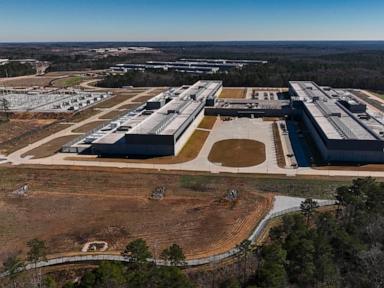
You can't build a digital future on empty taps and blacked-out grids. That's the blunt reality facing South Africa as civil rights groups push for an immediate timeout on new data center construction. With tech giants like Microsoft, Amazon, and Equinix rushing to stake their claims, local communities are left asking a simple question: who pays the price when the servers start guzzling resources?
Right now, South Africa hosts roughly 70% of the entire continent's data center capacity. President Cyril Ramaphosa and other government leaders view this tech expansion as a massive win for the national digital economy. But on the ground, the story looks entirely different. Citizens remember the dark days of widespread power cuts—known locally as loadshedding—and Cape Town's terrifying brush with "Day Zero" water shortages back in 2018.
The Resource Crunch Behind the Digital Rush
Data centers aren't invisible boxes. They are massive industrial complexes that demand staggering amounts of electricity and water to keep servers cool. Take the planned Equinix hyperscale facility in Cape Town, for instance. That single project is projected to demand around 160 megawatts of electricity.
When you plug numbers like that into a grid that has barely recovered from chronic instability, panic sets in. Sure, power utility Eskom has recently reported a surplus during winter peak demand, and industry advocates like the Internet Service Providers Association argue that data centers aren't to blame for past energy shortages. But citizens are understandably skeptical. They want guarantees, not corporate talking points.
The South African Human Rights Commission has received over 250 public submissions regarding the rapid expansion of digital infrastructure. Experts point out a glaring loophole in current regulations. Operators aren't hit with binding requirements to disclose exact, long-term commitments for water and electricity usage before approvals go through. Local planning laws often treat these high-tech hubs like boring suburban warehouses, completely missing the environmental scale of the operations.
Transparency Deficits and Community Fears
Why are civil society groups demanding a hard pause instead of trying to work things out on the fly? Because transparency is practically non-existent. When a municipality greenlights a massive facility without clear data on resource consumption, communities feel left in the dark.
It is easy for tech executives to claim their systems use modern cooling tech that beats the global average. It is another thing entirely for a drought-prone city to risk its residential water supply for foreign cloud computing infrastructure.
Investors hate uncertainty, but clear rules don't scare away serious money. A temporary regulatory pause gives regulators time to set firm guardrails. It establishes baseline metrics for land use, water efficiency, and energy sourcing. Without these guardrails, South Africa risks trading its scarce natural resources for short-term corporate gains that benefit very few ordinary citizens.
If you care about sustainable tech expansion, you have to look beyond the shiny marketing brochures. Demand transparent resource disclosures, push for strict municipal oversight, and support policies that prioritize human survival needs over server uptime.
Civil society groups call for temporary halt to new data centres
This video highlights the core concerns raised by South African civil society organizations regarding the strain new data centers place on local resources.
http://googleusercontent.com/youtube_content/1