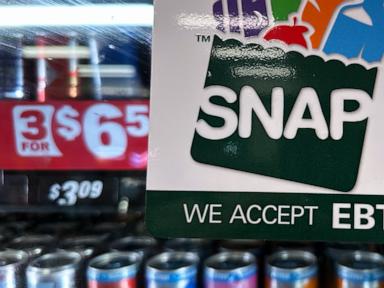
If you’ve been watching the headlines about the Supplemental Nutrition Assistance Program, you’ve likely seen the numbers. Millions of people have cycled off the rolls in just a few months. It looks like a massive shift. Honestly, it is. But when you move past the big, scary statistics, the real story is about how policy changes directly alter the day-to-day survival of millions of households.
As of April 2026, the U.S. Department of Agriculture reported that 37 million people were receiving SNAP benefits. That’s a drop of over 5 million people since September 2025. When you see a decline this steep, you need to look at what changed. It didn’t just happen because people suddenly didn't need help. It happened because the rules changed.
The Impact of the One Big Beautiful Bill Act
The primary driver here is the One Big Beautiful Bill Act (OBBBA), signed into law in July 2025. This wasn't just a minor administrative tweak. It was a fundamental redesign of who gets help and what they have to do to keep it.
The law tightened work requirements significantly. Before this, many adults had more flexibility regarding how they met their work obligations. Now, the requirements extend to individuals ages 55–64 and parents without children under 14. Even more significantly, it stripped away previous exemptions for veterans, homeless individuals, and young adults aging out of foster care.
If you aren't working, volunteering, or in a job training program for at least 80 hours a month, you are out. It’s that simple. And for many, it’s that brutal.
Why Paperwork Is Often the Real Gatekeeper
It's a mistake to think that every person who left the program did so because they found a great job. In reality, the administrative burden is often what causes the biggest drops.
When you add monthly documentation requirements, you create a system where a single missed deadline or a lost piece of mail results in a termination of benefits. I’ve seen this happen countless times. You have families working low-wage, unpredictable hours who suddenly have to navigate a complex reporting system every thirty days. If they mess up the paperwork, they lose their food assistance.
States are also facing increased pressure. The law shifted more administrative responsibility onto them. When a state office is overwhelmed, the first thing that slips is customer service. People can't get through on the phone, they can't get their questions answered, and they eventually just give up trying to recertify.
Is This Efficiency or Just Reduced Access
Proponents of these changes argue that they encourage self-sufficiency and reduce improper payments. They point to the Congressional Budget Office projections, which estimated a significant cut in federal spending over the next decade.
But look at the reality on the ground. Nearly 40 percent of SNAP participants are children. Another 20 percent are older adults. When you tighten the net, you don't just catch people who "should" be working. You catch the vulnerable people who have always relied on this program to stay fed.
It’s worth noting that the economy hasn't drastically shifted in a way that would explain 5 million people suddenly not needing food help. The unemployment rate has remained relatively stable. This suggests that the decline isn't a reaction to a booming economy, but a direct result of design choices.
What You Should Know If You're Affected
If you or someone you know is trying to navigate these changes, don't assume the system is working perfectly.
- Check Your Status Directly: Don't rely on word-of-mouth. Contact your local SNAP office or visit the official state portal to verify your current eligibility and recertification deadlines.
- Document Everything: If you are subject to the new work requirements, keep your own records of your hours, your volunteer work, or your training participation. Don't assume the state agency will automatically have your information correct.
- Don't Wait for the Notice: If you know your recertification window is coming up, start the process early. The backlog in many states is real. Getting your documents in two weeks early is the difference between a seamless renewal and a month-long gap in benefits.
- Seek Local Advocacy: Many local food banks and community organizations now have dedicated staff just to help people navigate the new reporting requirements. These folks know the specific pain points in your state’s system. Reach out to them.
The numbers will likely continue to shift as states fully implement the administrative changes brought by the 2025 legislation. This isn't a temporary blip. It’s the new normal for food assistance in America. Understanding that the barrier to entry is higher now is the first step in protecting your access to benefits.