Singapore is about to raise its prime minister's annual pay by a staggering 64 percent, pushing the total to S$3.6 million, which translates to roughly £2.1 million. That is not a typo. While leaders in Washington and London pull in under £300,000, Singapore's top politician is already the highest-paid world leader by a wide margin, and the gap is only getting wider.
People lose their minds whenever politicians vote themselves a raise. Yet Singapore has a very specific, fiercely defended philosophy behind these massive pay packets. They don't do it by accident. They do it on purpose, and understanding why reveals a lot about how governance actually works when money is treated as the ultimate retention tool.
The Logic Behind Million Dollar Salaries
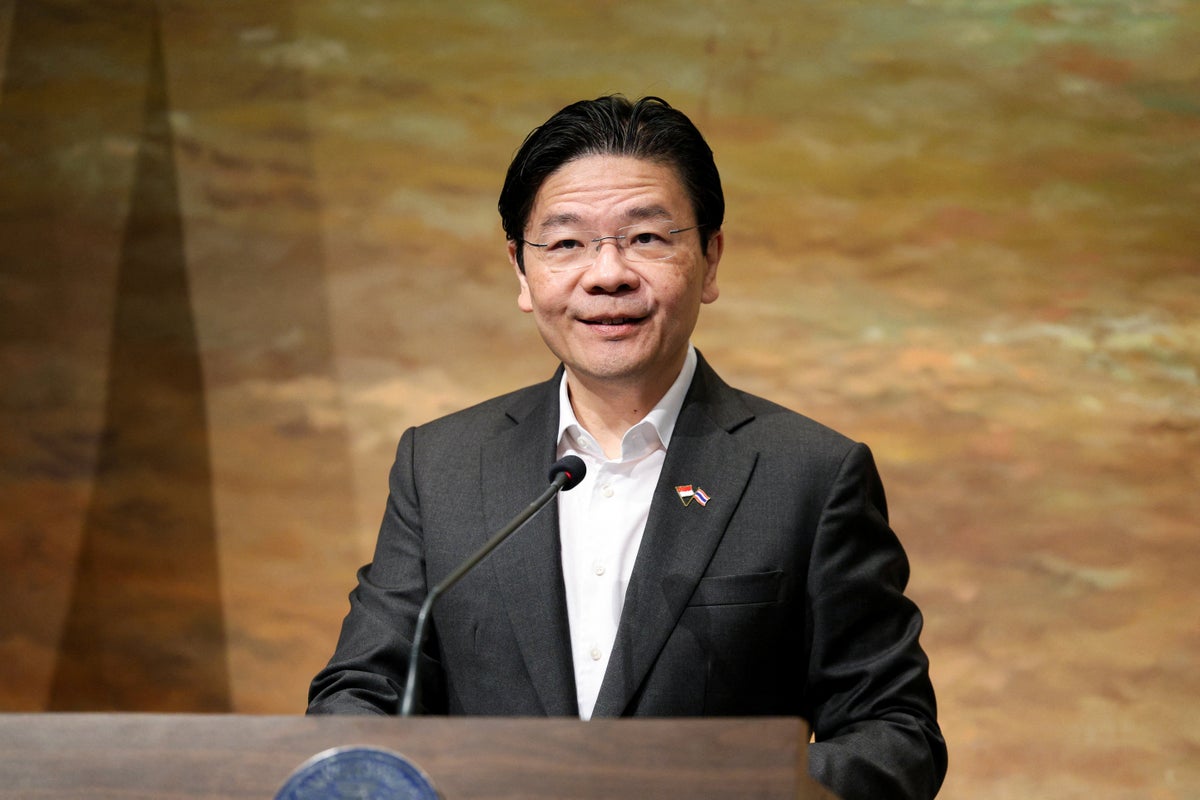
Prime Minister Lawrence Wong knows how this looks. When the average median wage worker in the city-state brings home around S$5,775 a month, handing the premier a massive salary hike triggers immediate backlash. Social media lights up instantly. Citizens call it out-of-touch.
Wong acknowledged the tension directly in parliament. He noted that the sums involved tower over normal earnings. But he defended the move with a blunt justification. Singapore ties ministerial pay directly to the top 1,000 earners in the country, using top-tier private sector income as a benchmark.
The rationale rests on two pillars:
- Attracting top corporate talent into public service instead of letting private industry snap up every sharp mind.
- Deterring corruption by making the cost of losing a government job astronomically high.
When you pay peanuts, you get monkeys. That is the core mantra of the Singaporean civil service blueprint. They believe that if politicians make a fraction of what they could earn running a multinational bank, the talent pool will dry up.
How Singapore Compares Globally
Let us look at the numbers. The contrast is absurd.
The UK prime minister makes around £170,171 annually. The US president takes home roughly £296,000. Even the Hong Kong chief executive, who ranks second globally, earns about £532,000—a quarter of what Singapore's leader brings in.
Singapore's junior ministers are not hurting either. Their baseline pay is leaping to S$1.8 million a year based on performance. Most junior ministers will land around S$1.35 million by the end of the current term.
The Dangerous Downside of Elite Pay
Critics argue that paying politicians like hedge fund managers creates an echo chamber. Chong Ja Ian, a political scientist at the National University of Singapore, points out a glaring flaw. When leaders are compensated on par with the country's ultra-wealthy, they risk losing touch with everyday struggles. Income disparity becomes a massive blind spot.
Even with exorbitant salaries, corruption is not entirely eradicated. High-profile scandals still happen, proving that money alone cannot buy absolute ethical purity. Governance requires accountability checks that go far beyond a fat bank account.
Wong tried to soften the blow by announcing he will donate his personal salary increment to charity for the next five years. That gesture might appease some critics, but the structural policy remains intact.
Stop expecting global leaders to live like middle-class citizens everywhere. In Singapore, governing is treated like managing a high-stakes corporation, and the price tag matches the boardroom.