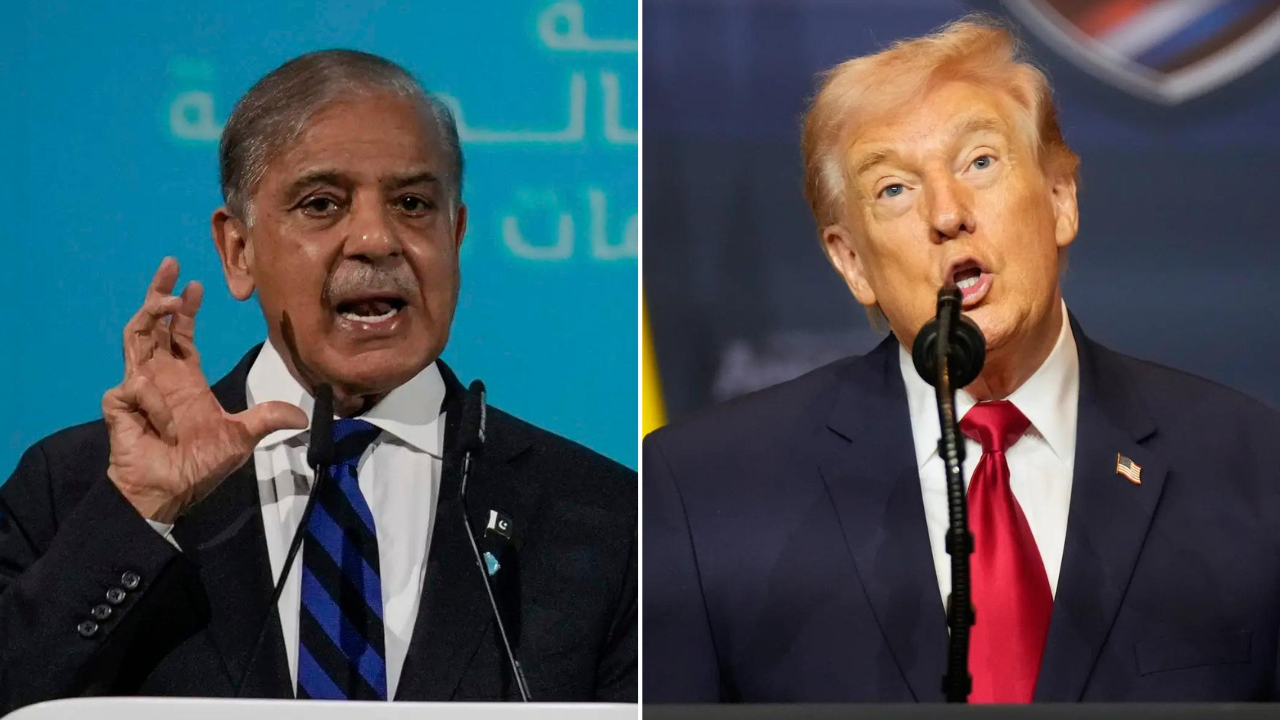
Foreign policy rarely moves on accidental encounters. When Pakistan Prime Minister Shehbaz Sharif heads to New York for the United Nations General Assembly, his calendar includes a high-stakes reception hosted by Donald and Melania Trump on September 23 at the Lotte New York Palace Hotel. It isn't just a standard diplomatic handshake over canapés. It's a calculated moment in a shifting global chessboard.
If you're wondering why this particular encounter is drawing intense scrutiny across South Asia, you have to look past the official press releases. Let's break down what's really happening behind closed doors and why this meeting carries weight for regional security, water treaties, and new security pacts.
The Backstory of US-Pakistan Engagement Under Trump
Diplomatic ties don't exist in a vacuum. Sharif's upcoming interaction with Trump follows a series of calculated touchpoints, including past discussions at the Board of Peace meeting in Washington and previous White House talks.
You've got to understand how Washington views Islamabad right now. It isn't the hyper-fixated focus on counterterrorism that defined the post-9/11 era. Instead, current US strategy in South Asia involves managing a delicate balancing act. Washington wants to maintain functional working channels with Islamabad while keeping a close eye on Beijing's expanding footprint through the China-Pakistan Economic Corridor.
Sharif touches down in New York on September 22, setting the stage for his General Assembly address on September 25. That speech won't just be standard diplomatic theater. Islamabad is bringing heavy grievances to the table.
What Pakistan Plans to Put on the Table
When Sharif takes the podium at UN headquarters, expect specific flashpoints to dominate his rhetoric.
First is the Indus Waters Treaty. Pakistan is fiercely contesting New Delhi's decision to keep the 1960 water-sharing pact in abeyance—a move India enacted following the Pahalgam terror attack that left 26 civilians dead. Islamabad views water security as an existential threat. Expect Sharif to lobby international stakeholders, potentially pressing the US to weigh in, even though Washington typically avoids direct mediation on core Kashmir-adjacent disputes unless explicitly invited by both sides.
Second, Sharif is bringing a brand-new geopolitical card to New York: the Mecca Joint Defence Agreement. Signed on August 7 alongside Saudi Arabia and Turkey, this tripartite defense framework treats an attack on one member as an assault on all three. It's a bold move by Islamabad to diversify its security architecture, shifting away from total reliance on traditional bilateral patrons. Sharif will likely pitch this new alliance to Washington as a stabilizing security net in the broader Middle East and South Asian periphery.
The Regional Ripple Effects and India's Counter-Moves
You can't analyze Pakistan's diplomatic calendar without looking at what India is doing. New Delhi has spent considerable energy anchoring its own multilateral influence, highlighted by hosting major international summits and securing strong counter-terrorism declarations from global powers.
When Brics leaders met recently, they adopted the New Delhi Declaration and condemned cross-border terrorism with a policy of zero tolerance. That puts Islamabad on the defensive on the global stage. Sharif's push for face-time with Trump in New York is partly an effort to counter that diplomatic momentum and project leadership back home, where domestic political turbulence and economic pressures remain constant threats to his coalition government.
What Happens Next
Diplomatic receptions at luxury Manhattan hotels rarely produce binding treaties on the spot. But they set the tone.
Sharif needs a win to show his domestic constituents that Pakistan remains a relevant player in Washington's foreign policy calculus. Trump, on his part, loves high-profile optics and transactional diplomacy. Whether this encounter translates into concrete policy shifts or remains a polite photo-op depends entirely on what transpires behind closed doors on Madison Avenue. Watch the language coming out of the Pakistani delegation right after September 23. That will tell you the real story.