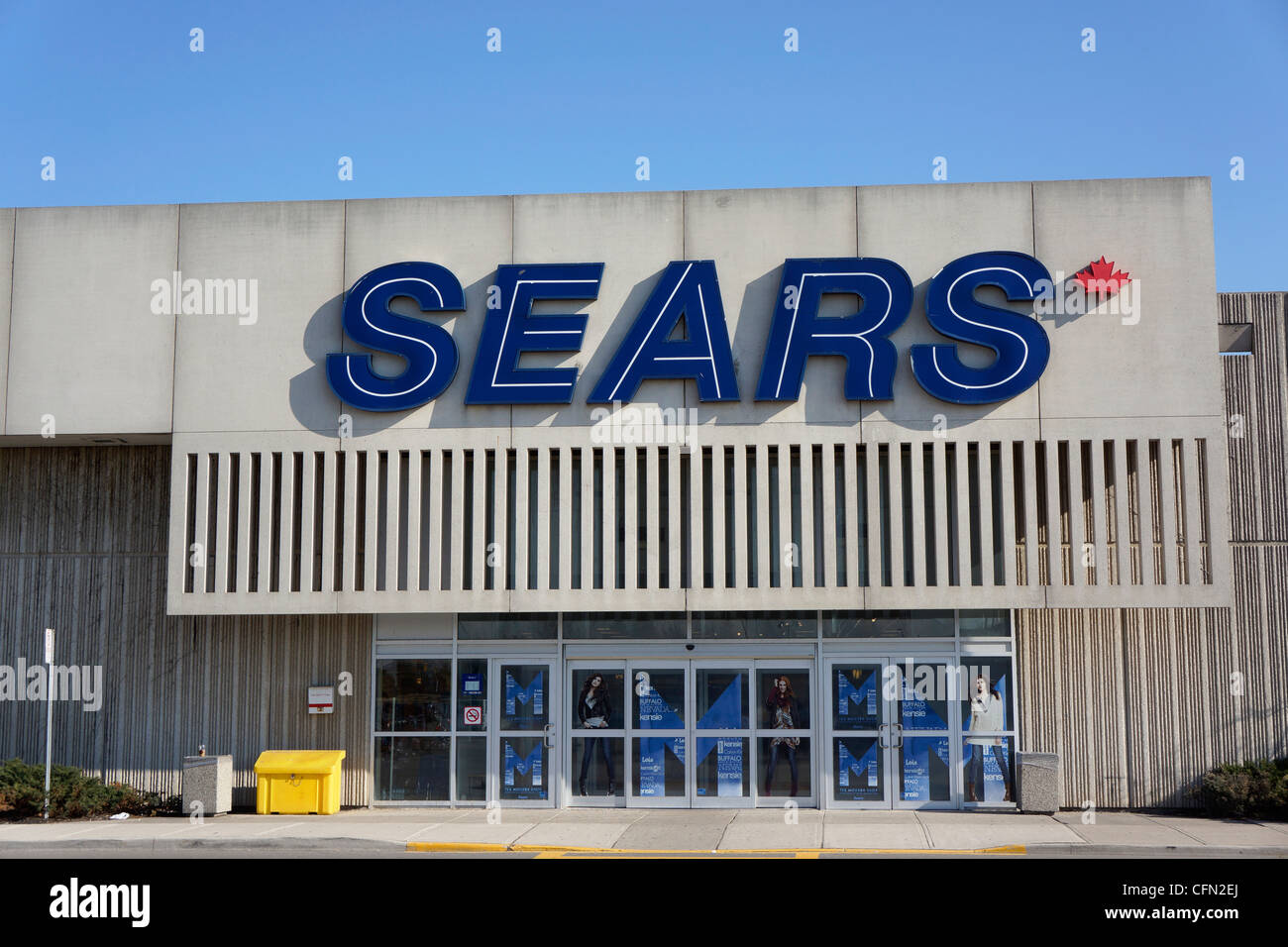
You walk into a mall in Mexico City. Escalators hum. Fluorescent lights hit polished floors. Right there sits Sears. Not a dusty relic with empty racks. A busy, multi-floor anchor store selling fashion, electronics, and housewares to buzzing weekend crowds.
Back home in the United States, Sears is a punchline. Five remaining flagships or ghost sites gasping for air. A corporate corpse carved up by private equity and retail apathy.
How does a dying American ghost turn into a thriving Mexican anchor?
It wasn't magic. It was Carlos Slim, patient capital, and a complete refusal to run a department store like a real estate liquidation scheme.
The Franchise Divorce That Saved a Brand
Sears Mexico isn't a subsidiary waiting for rescue from Hoffman Estates. Grupo Carso—controlled by billionaire Carlos Slim and operated via retail arms like Grupo Sanborns—cut the cord decades ago.
By 2016, Grupo Sanborns owned roughly 99 percent of Sears Operadora Mexicana, buying out the remaining stake from a sinking Sears Holdings. Financial entanglement with the US parent dropped to zero.
When Chicago management starved stores of inventory, missed digital shifts, and treated real estate as collateral, Sears México stayed autonomous. Cash generated in Monterrey or Guadalajara stayed local, funding HVAC upgrades, floor redesigns, and regional supply chains instead of servicing US debt walls.
Positioning: Moving Upscale Without Losing the Middle
In the US, Sears got trapped in retail purgatory. Walmart and Target ate the bottom. Specialty boxes and Amazon ate the middle. Nordstrom and Macy's owned the top. Sears tried to discount its way out while rotting the sales floor.
In Mexico, the competitive landscape looks totally different. Sure, you have El Puerto de Liverpool dominating department store mindshare, alongside ultra-luxury Palacio de Hierro. But Sears Mexico targeted a sweet spot: upper-middle-class aspiration with accessible credit (via Grupo Inbursa backing) and heavy brand mix adjustments.
Instead of heavy reliance on appliances, hardware, and DieHard batteries, Mexican Sears pivoted hard into soft lines. Apparel, footwear, cosmetics, and seasonal decor took prime square footage. Walk a floor in Plaza Carso or Perisur, and the merchandise mix feels closer to a crisp Macy's or European middle-tier department store than an American suburban graveyard of Craftsman tools.
Real Estate and Urban Density
American malls died because suburban sprawl over-retailed the country by square footage per capita. Parking lots emptied. Anchor boxes became liability black holes.
Mexican retail lives inside high-density urban nodes, mixed-use commercial centers, and dense metro catchment areas where foot traffic remains structural rather than car-dependent. Grupo Carso pairs retail acquisition with urban real estate intelligence. Stores anchor vibrant urban ecosystems where public transit, pedestrian foot traffic, and vertical mixed-use development feed daily customers straight into the ground and second floors.
What US Retailers Missed (and Still Miss)
Financial engineering killed American department stores. Wall Street demanded quarterly margin expansion, share buybacks, and asset sales over physical store reinvention.
Slim played a 30-year domestic game. Patient capital means you don't panic-close a profit-generating branch because macro sentiment dipped for two quarters. You renovate six stores, open three more in growing bajío industrial hubs like Querétaro or León, and integrate credit underwriting through an in-house banking group (Inbursa).
- Autonomy: Zero balance-sheet drag from legacy US pension liabilities or corporate bankruptcy courts.
- Assortment Localization: Buying for domestic demographic tastes rather than pushing standardized US catalog overstock.
- Financial Vertical Integration: Tying retail purchasing power directly to consumer financing rails owned by the same holding conglomerate.
The Reality Check
Is Sears Mexico dominating Liverpool? No. Liverpool still captures higher comp-store growth and premium brand partnerships in upscale districts.
Does Sears Mexico face digital headwinds? Yes, e-commerce adoption in Mexico grows fast through Mercado Libre and Amazon Mexico, forcing traditional players to upgrade fulfillment.
Yet, holding over 100 operating stores while the American namesake shrinks to a statistical rounding error proves a brutal truth: retail format wasn't obsolete. Execution and ownership alignment were.
Stop treating the Sears Mexico story as a weird Latin American novelty. Treat it as a masterclass in regional asset rescue.
Audit your geographic assumptions. Cut toxic parent-subsidiary governance models. If local cash flow doesn't fund local experience, spin the asset loose or watch it bleed out in the dark.