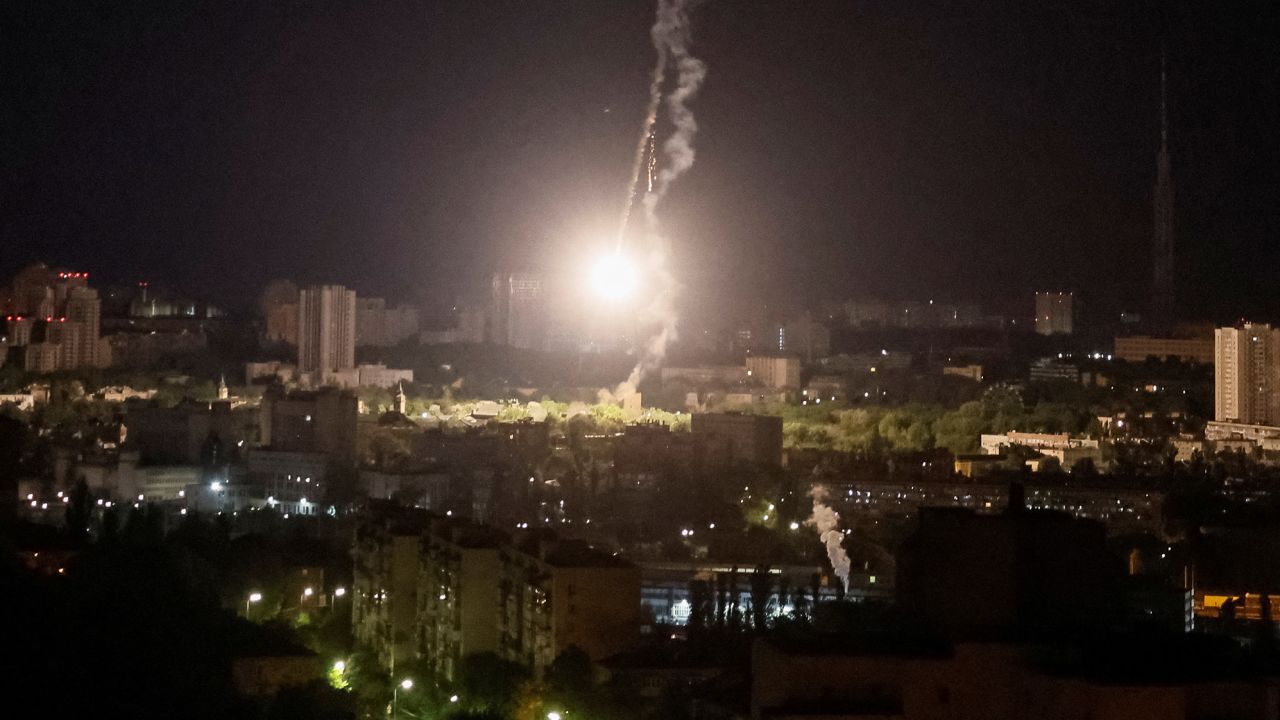
The siren wails in Kyiv aren't just background noise anymore. They are a brutal, recurring reality of life in Ukraine. When a fresh Russian missile barrage strikes the capital, leaving at least 13 people dead, the world reacts with predictable shock and then, all too often, drifts back to business as usual. We need to look closer at what these strikes actually mean for the ground reality and the broader conflict.
It’s easy to focus on the numbers. Thirteen dead. Dozens wounded. Buildings reduced to rubble. Those statistics matter, obviously, but they hide the strategic intent and the compounding toll on civilian life. This isn't just about hitting military targets. It’s about systemic pressure.
Understanding the Strategic Rationale Behind the Barrage
Military analysts often debate the "why" behind these intense volleys. Are they meant to deplete air defense stockpiles? Are they psychological warfare designed to wear down the collective resolve of a population already exhausted by years of conflict? The answer is likely both.
When you look at the infrastructure impact, it becomes clear. Russia isn't just shooting blindly. They’re targeting energy nodes and transit hubs. By doing this, they aim to make modern urban life in Ukraine untenable. It’s a calculated effort to force a pivot in how the state operates.
Living through this—or even watching from afar—is a masterclass in resilience. I’ve spoken with residents who treat these warnings not as a call to panic, but as a rigid checklist of survival: get the water, secure the documents, head to the basement. The normalization of this level of violence is a tragedy that doesn't show up in the casualty reports.
The Air Defense Dilemma
A recurring question is why these missiles get through. If Ukraine has Western-supplied air defense systems—Patriots, IRIS-T, and others—why does the death toll keep climbing?
The reality is that no air defense system is impenetrable. It’s a game of math and exhaustion. Russia uses a mix of tactics:
- Saturation: Flooding the skies with cheap drones to force the activation of expensive interceptors.
- Complexity: Coordinating high-speed ballistic missiles with slower cruise missiles to confuse radar tracking.
- Timing: Launching attacks during early morning hours or when surveillance assets are constrained.
It’s essentially a resource war. Every time a Patriot missile is fired, it’s a non-renewable asset being used up. If the pace of these strikes outstrips the pace of resupply, the math eventually shifts against the defender. That is the vulnerability that the current barrage exposes.
Why This Matters for the Long Game
We are moving past the phase of the war where people expected quick, decisive endings. We are deep in a war of attrition. The 13 deaths in Kyiv are a harrowing indicator of what happens when the diplomatic and military support apparatus slows down or becomes complacent.
Public opinion in Western nations often fluctuates with the news cycle. When there is a big event, there is a spike in interest and a promise of support. When the news cycles move on to elections, economic shifts, or other global conflicts, that pressure often fades.
But for people in Kyiv, there is no moving on. The strike happened. The funerals will happen. The reconstruction will begin. If you want to understand where this is heading, pay attention to the munitions counts and the logistics of aid delivery. That is where the war is being won or lost right now.
What Real Support Looks Like
If you are following this, stop looking for "victory" in a single day. Look for capacity.
- Sustained Munitions Supply: This is the only thing keeping the lights on and the shelters safe.
- Intelligence Sharing: Real-time data on flight paths is more valuable than any single piece of hardware.
- Economic Resilience: Keeping the local economy breathing while under fire is a secondary front that is often ignored.
We’ve seen what happens when the attention span of the global community lapses. It creates an opening. It turns the tide in a way that is incredibly difficult to reverse. Stay informed, keep the focus on the actual logistical needs of the region, and recognize that these events are not isolated tragedies—they are the direct consequence of a grinding, long-term strategic conflict.