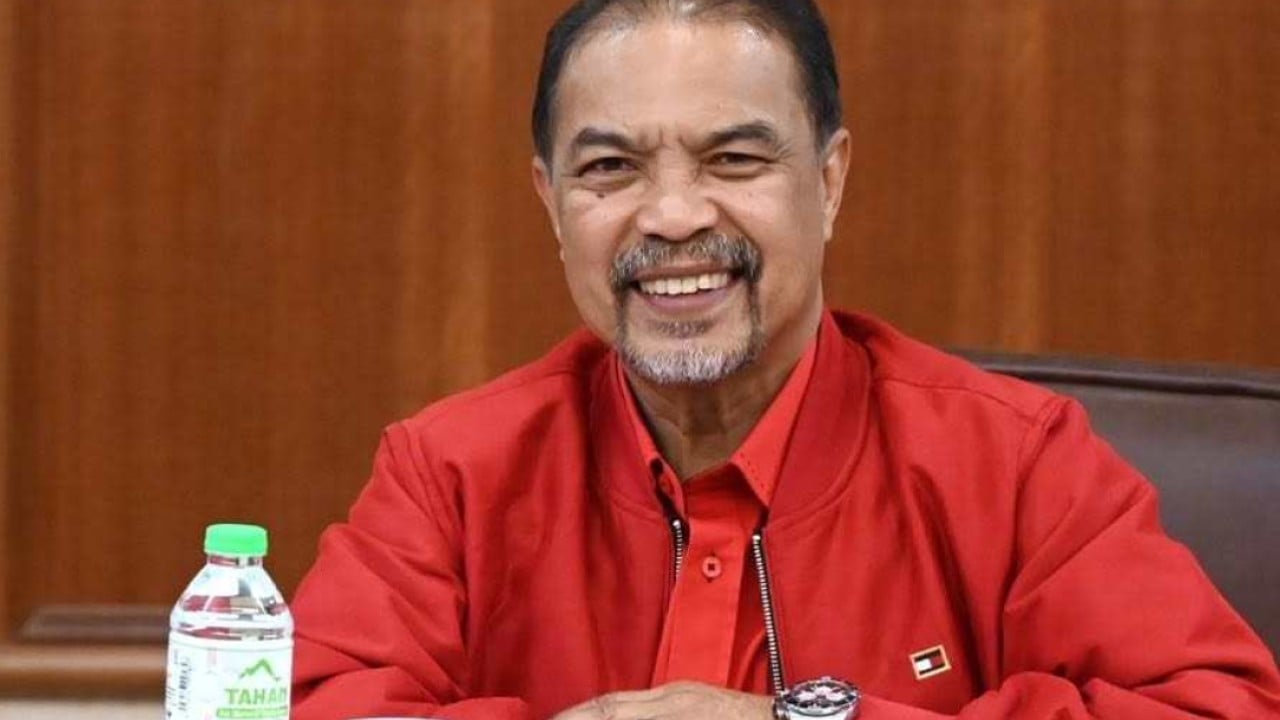
Millions of Muslim depositors trusted an institution with their sacred pilgrimage savings. Then came the revelation of massive financial holes, questionable asset transfers, and a political storm that refuses to quiet down.
Former Malaysian religious affairs minister Jamil Khir Baharom recently stood in the Kuala Lumpur Sessions Court to face three charges alleging the misappropriation of over RM860 million, roughly US$211 million, from the country's revered haj pilgrimage fund, Tabung Haji. He pleaded not guilty to causing the fund to dishonestly transfer massive sums to a Saudi real estate firm between 2015 and 2017.
When high-profile political figures face court battles over public trust funds, the noise is deafening. But underneath the daily headlines lies a deeper narrative about corporate governance failures, political interference, and how nearly ten million ordinary depositors were left vulnerable.
The Core of the Tabung Haji Controversy
Tabung Haji was never just another financial institution. Established to help Malaysian Muslims save money for the sacred pilgrimage to Mecca, it represents a deep cultural and religious anchor. Managing the savings of over 9.8 million depositors requires absolute transparency and stringent safeguards.
Yet, investigations spearheaded by a declassified Royal Commission of Inquiry report revealed a different reality. The report painted a grim picture of governance failures, misleading representations, and problematic investments spanning from 2014 to 2020. Losses exceeded RM1 billion during this period, exposing severe cracks in an institution many thought was invincible.
Jamil Khir, who served as the minister in the Prime Minister's Department for Religious Affairs from 2009 to 2018 under Najib Razak's administration, found himself at the center of the storm. Prosecutors allege he authorized or caused the fund to transfer hefty amounts to Al Rawda Real Estate Development and Projects Management Co. Ltd.
The transactions in question occurred across three separate dates:
- April 2015: Over RM42 million transferred.
- December 2016: More than RM288 million moved.
- August 2017: A staggering RM529 million directed to the Saudi entity.
The Defense Strategy and Accountability
Facing charges framed under Section 403 of the Penal Code—which carries potential jail time, caning, and fines—Jamil Khir's legal team secured bail at RM300,000 while requiring him to surrender his passport. His defense rests on a familiar administrative shield. He maintains that all decisions made during his tenure strictly followed recommendations by Tabung Haji's board and adhered to established internal procedures.
This defense raises a fundamental question about institutional accountability. Who carries the ultimate weight when public funds go astray? Is it the political appointee overseeing the ministry, or the internal board members who sign off on complex international investments?
Transparency advocates argue that political interference often forces boards to greenlight transactions that standard risk assessments would reject. When billions are involved, separating political direction from corporate governance becomes nearly impossible without aggressive independent oversight.
Broader Political Tremors in Malaysia
This high-stakes prosecution isn't happening in a vacuum. Jamil Khir's court appearance makes him the second high-ranking leader from the United Malays National Organisation to be charged over the fund in a matter of weeks, following former Tabung Haji chairman Abdul Azeez Abdul Rahim.
Prime Minister Anwar Ibrahim's administration has made anti-corruption crackdowns a centerpiece of its governance strategy, aiming to rebuild public confidence after years of lingering skepticism. However, these moves also strain delicate political alliances within the current coalition government, where former ruling parties still hold significant influence.
For the average citizen, the legal drama is cold comfort. The bailout required massive public funds to rescue Tabung Haji after past deficits were uncovered, a cost ultimately absorbed by taxpayers and everyday depositors who simply wanted a safe place to save for their spiritual journey.
Don't expect this legal saga to wrap up quickly. Court proceedings will drag on, political rhetoric will intensify, and the broader debate over institutional checks and balances in Malaysia's financial sector will continue to shape the political landscape.
Protecting public trust requires more than courtroom trials after the damage is done. True reform demands permanent structural safeguards that keep political hands away from sacred savings.
Ex-minister claims trial to misappropriating RM860mil of Tabung Haji funds
This short video clip covers the court appearance and charges involving the former minister's trial over the disputed Tabung Haji fund transfers.
http://googleusercontent.com/youtube_content/1