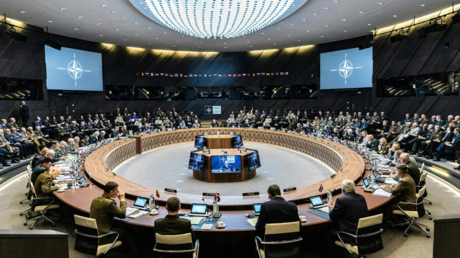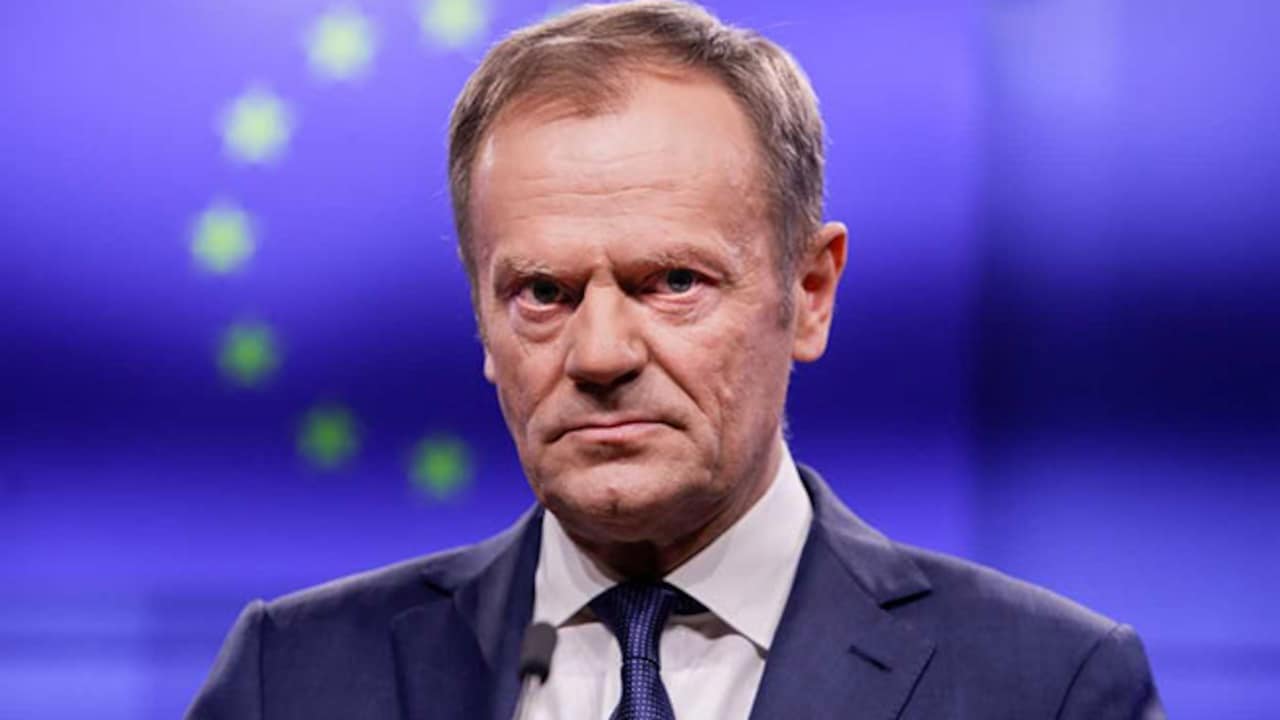
When the Polish Prime Minister stands up in parliament and spells out an imminent threat, Europe listens. Donald Tusk just dropped a sobering reality check for Western capitals. The war next door is not staying inside Ukraine's borders forever. Moscow is plotting hybrid warfare operations, and NATO's eastern flank is squarely in the crosshairs.
Intelligence assessments point to a calculated strategy. Russia wants to test the alliance's nervous system. If you think a stray drone or a misdirected missile is just an unfortunate accident of war, you're missing the entire point of modern gray-zone tactics.
The Anatomy of Russian Hybrid Threats
Let's look past the diplomatic pleasantries. According to Tusk's recent address to deputies in Warsaw, upcoming operations involve targeted hybrid strikes using drones and missiles. These won't necessarily be full-scale military invasions. They are designed to sit right on the line below outright war.
Think about how this plays out in real life. A drone strays across the border. It hits an infrastructure node, a logistics warehouse, or a railway line in Poland or the Baltic states. Buildings get damaged. People get scared.
And then comes the Kremlin's playbook response. Moscow will shrug, smile, and claim it was an accident. A navigational error. A GPS glitch.
The real target isn't just concrete or steel. It's the psychological resolve of Western populations.
Testing the Limits of Article 5
NATO relies entirely on collective defense. Article 5 states that an attack on one member is an attack on all. It sounds bulletproof on paper. In practice, deterrence requires ironclad credibility.
What happens when an attack is ambiguous? If a drone crashes into a Polish field or clips a border town under the guise of an accident, do thirty nations mobilize for war?
That is the exact trap Moscow is setting. The strategy relies on creating doubt. The Kremlin wants to convince citizens in Berlin, Paris, and Washington that Article 5 is a theoretical text rather than a practical guarantee. If allies start arguing over whether a strike was intentional or accidental, the alliance fractures from within without a single official declaration of war.
Poland knows this better than almost anyone else. As the primary transit hub for Western military and humanitarian aid flowing into Kyiv, Warsaw sits right on the frontline of logistics and espionage.
Why the Eastern Flank Remains Vulnerable
Poland, Lithuania, Latvia, and Estonia have spent years sounding alarms about hybrid aggression. We've seen weaponized migration at the borders, constant cyberattacks on critical infrastructure, and mysterious sabotage operations targeting rail networks and communication cables.
Airspace violations are becoming a routine hazard rather than shocking anomalies. Every time a Russian missile loops through Polish or Romanian airspace before dipping back down toward Lviv or western Ukraine, it tests reaction times.
Air defense systems like Patriot batteries are active, but intercepting low-flying, cheap loitering munitions over densely populated civilian areas is an expensive and risky game. You can't fire a million-dollar interceptor at every small drone without bleeding resources dry.
What Comes Next for Europe
Tusk's warning isn't just political rhetoric meant to secure more defense funding. It's a preparation for a bumpy phase of the conflict. He is heading to Ukraine to meet regional leaders, including Slovak Prime Minister Robert Fico, as diplomatic lines shift and security pressures mount.
Europe's leadership has a narrow window to adjust its posture. Treating hybrid attacks as isolated civil incidents or administrative errors is a luxury they no longer have.
If you live in Europe or follow global security trends, expect tighter border security, increased electronic jamming, and more visible military deployments near the eastern frontier. The gray zone is shrinking, and the border between peace and active conflict is getting blurrier by the day. Stay alert, watch how governments respond to the next airspace violation, and stop assuming geography will keep anyone safe.