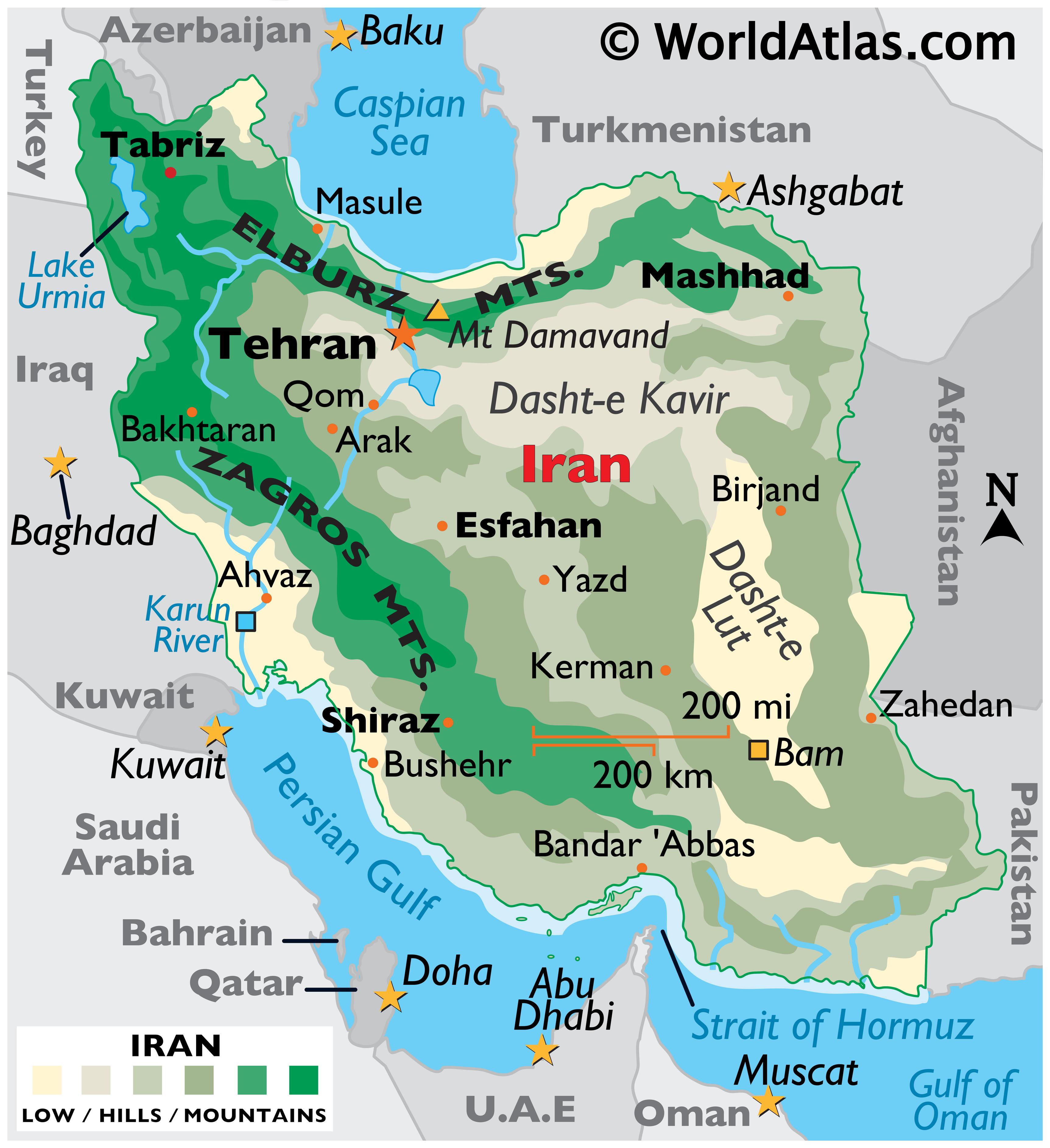
Governments love a clean narrative. When a conflict starts, officials paint a picture of total dominance and minimal friction. But reality has a funny way of breaking through the official script. Acting U.S. Navy Secretary Hung Cao recently dropped a blunt truth about the ongoing war. While speaking to reporters, he admitted straight out that Iranian strikes "blew the hell out of Bahrain", referencing the massive damage sustained by Naval Support Activity Bahrain.
This wasn't a carefully polished Pentagon press release. It was a rare, unfiltered slip that confirmed what open-source intelligence analysts and satellite imagery had been showing for months. The Fifth Fleet headquarters, a critical linchpin for American naval operations in the Middle East, took a catastrophic hit.
Why the Bahrain Base Matters
If you want to understand American power projection in the Persian Gulf, you have to look at Bahrain. Naval Support Activity Bahrain isn't just an office building with a flagpole. It is the nerve center for the U.S. Fifth Fleet and U.S. Naval Forces Central Command.
For decades, this installation handled logistics, ship repair coordination, and regional patrols. When Iranian drones and missiles targeted the facility following the initial joint U.S. and Israeli strikes, they weren't just throwing ordnance at random targets. They aimed straight for the logistical heart of the Navy in that theater.
Satellite photos analyzed earlier in the year revealed severe destruction across command buildings, communication terminals, and support infrastructure. Yet, for months, official public updates downplayed the scale of the strategic disruption, insisting that operations continued smoothly. Cao's recent comments shattered that illusion.
The Real Cost of Extended Deployments
When a primary logistics hub gets wiped out, the ripple effects hit sailors and carrier strike groups directly. Take the USS Abraham Lincoln. The carrier spent months grinding through an extended combat deployment in the region. Because the Bahrain base was largely incapacitated and evacuated, the crew lost its primary regional port of call for supplies, maintenance, and relief.
Chief of Naval Operations Admiral Daryl Caudle admitted the reality during an August town hall with displaced personnel. He told them flat out that the Navy isn't getting back into that facility anytime soon.
Supplies that used to flow easily through Bahrain suddenly had to be re-routed through distant nodes like Diego Garcia. That extra distance creates logistical lag. It strains supply chains. It wears down crews who are already dealing with high-stress combat environments.
What Happens Next for Regional Strategy
Right now, a specialized Navy task force is evaluating whether the Bahrain installation can even be salvaged or if parts of it should simply be abandoned and rebuilt from scratch. Rebuilding a major military base under the constant threat of ballistic missile fire is a logistical nightmare.
Iran's leadership didn't waste time capitalizing on the admission. Foreign Minister Seyed Abbas Araghchi publicly thanked Cao for his candor, pointing out the obvious strategic impact of the strikes.
When top officials start speaking with brutal honesty, it usually means the problem has grown too big to hide behind standard public relations talk. The U.S. military now faces tough choices about how to maintain a permanent footprint in the Persian Gulf without relying on sitting ducks. Fixing a broken base takes money and time. Rethinking a flawed regional strategy takes courage.
Stop expecting a quick return to the old normal in Bahrain. The operational landscape has changed permanently, and the military is just beginning to reckon with the fallout.