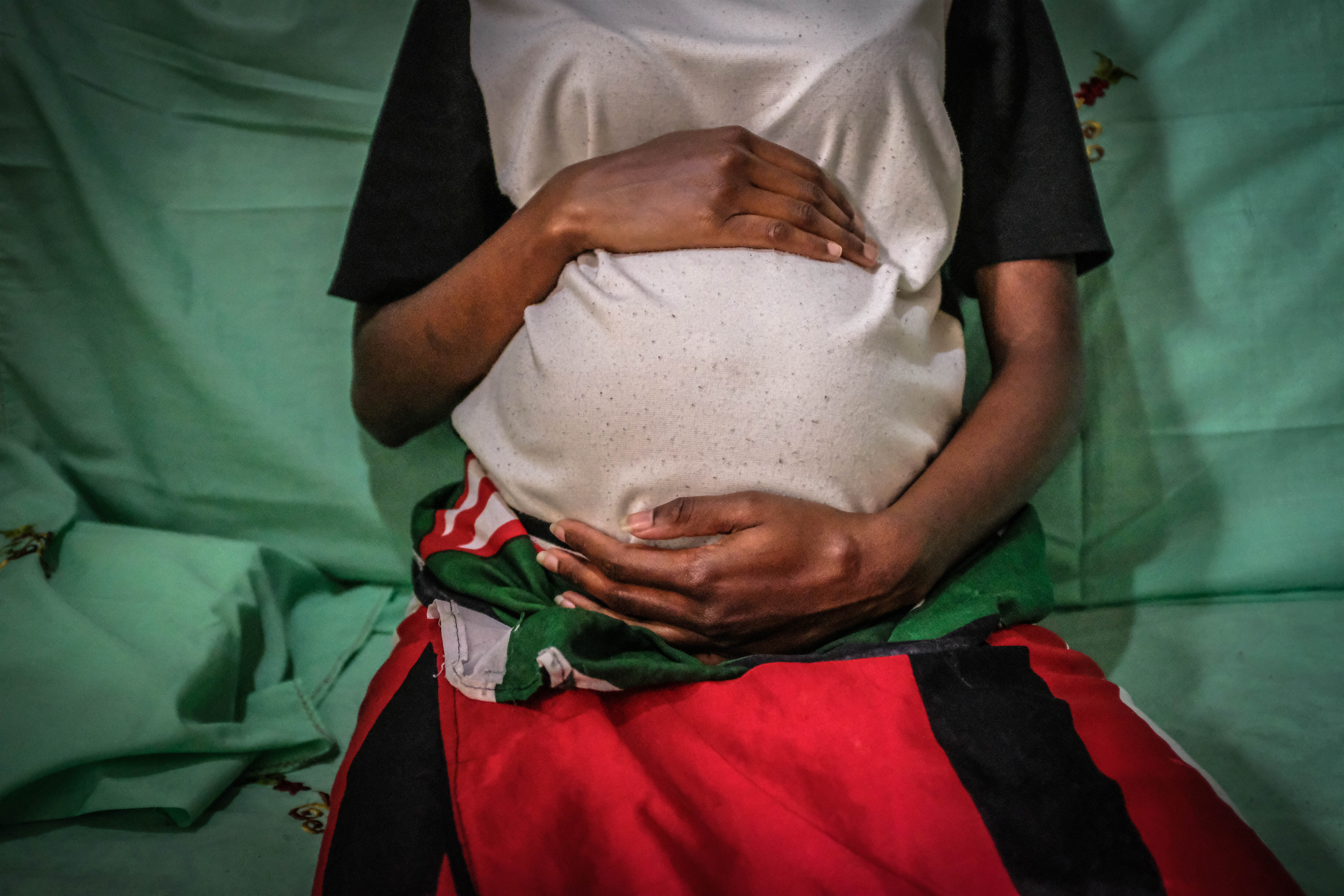
You can't talk about giving people the right to end their lives without first fixing how we care for them at the end. France's National Assembly recently approved a landmark bill allowing medical aid in dying for adults with incurable illnesses. But lawmakers and medical experts keep missing the core truth. Palliative care isn't a secondary option. It's the foundation of any ethical framework.
When you look at countries like Canada, Belgium, and the Netherlands, a disturbing pattern emerges. People don't always choose medical assistance because they want to die. They choose it because they can't get adequate pain management, home nursing, or psychological support. That's a systemic failure. If a society offers a quick exit while starving hospice and palliative networks of funding, you aren't offering freedom. You're offering an economic shortcut.
The Reality of Strict Medical Criteria
France's newly adopted legislation sets a high bar. Adults must face an incurable, life-threatening illness with intense physical or psychological pain. Families can't make the call for a patient in a coma. Doctors get fifteen days to weigh the request and hold ultimate veto power.
Advocacy groups like Ultimate Liberty argue the system is too restrictive. They point out that people with neurodegenerative conditions like Alzheimer's or older adults facing slow cognitive decline are left out. "You are not sick enough yet," is the message sent to thousands.
Yet, loosening the gates too quickly without robust safeguards creates an entirely different danger. Patients shouldn't feel like a burden on their families or a strain on national healthcare budgets. Without universal access to elite end-of-life care, the choice becomes an illusion.
Fixing the Funding Gap
Good palliative care is expensive. It requires specialized doctors, round-the-clock nursing, psychological counseling for families, and specialized symptom management facilities. Writing a progressive law is politically cheap. Training thousands of medical professionals to manage complex terminal pain takes years of heavy investment.
Right now, many rural areas in Europe and North America lack basic hospice beds. Patients suffer needlessly simply because of their zip code. When pain goes unmanaged, despair sets in. If we funnel energy exclusively into the legal mechanics of euthanasia while ignoring local clinics, we're building a house on sand.
What Needs to Happen Next
Lawmakers need to tie the implementation of any assisted dying legislation directly to the expansion of palliative networks.
- Mandate equal funding for home-based palliative care alongside any new legal framework.
- Protect doctors who conscientiously object while ensuring patients still have access to timely medical evaluations.
- Remove bureaucratic red tape that delays pain relief medications for terminal patients.
Autonomy matters. People should have a say in how their story ends. But true autonomy means having real choices, and living in agony without access to a hospice bed isn't a choice. It's abandonment.
France's parliament adopts assisted dying law
This video provides an overview of the French parliament's vote to adopt the assisted dying legislation and the surrounding political debate.
http://googleusercontent.com/youtube_content/1