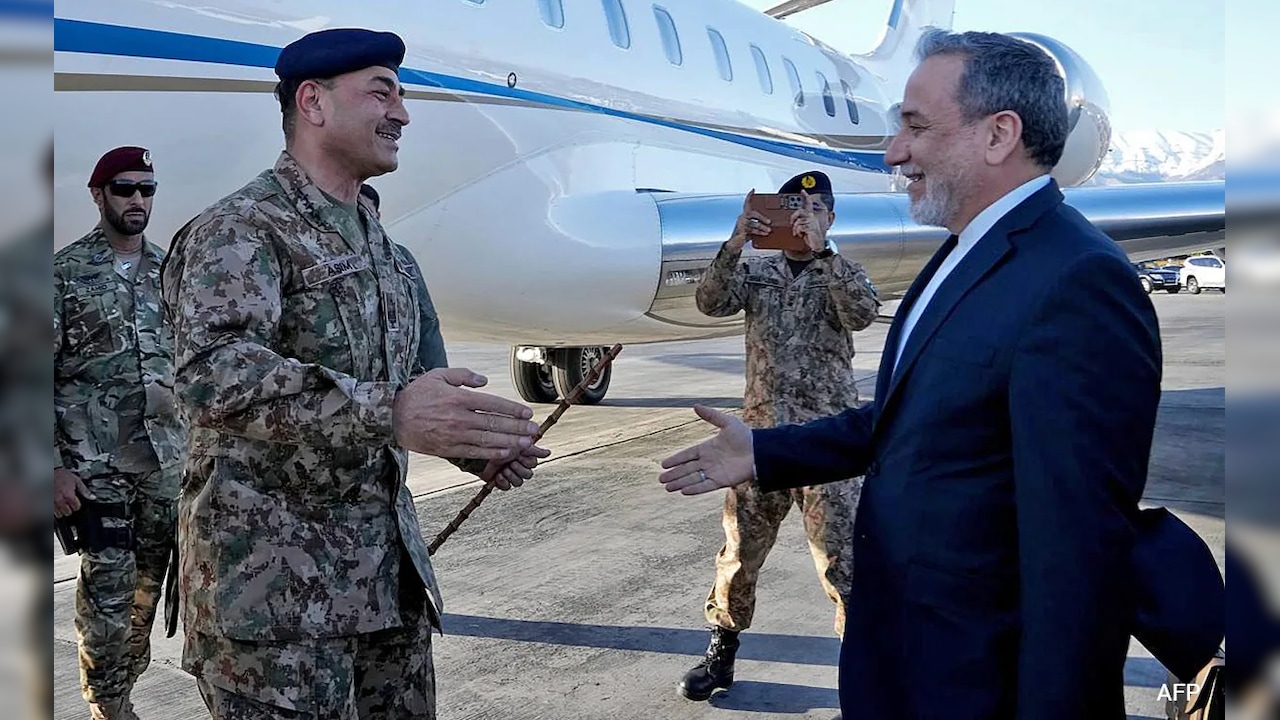
Pakistan thinks it just pulled off a diplomatic masterclass. By hosting the Islamabad Talks and playing the neutral broker during the devastating US-Israel war with Iran, Islamabad is soaking up global praise. Prime Minister Shehbaz Sharif and Field Marshal Asim Munir even got public thank-yous from Washington and Tehran.
But don't let the handshakes fool you.
Behind the facade of successful mediation lies a brutal reality that nobody in Islamabad wants to talk about. Pakistan's relationship with Iran isn't fixed; it's practically sitting on a powder keg. While Pakistani diplomats sip tea and draft truce plans, their own backyard is coming apart at the seams. The structural fractures along the 900-kilometer shared border aren't going anywhere, and the current regional conflict has only magnified them.
The Neutrality Illusion Crunches Under Reality
Staying truly neutral when your neighbor is at war is a fantasy. Pakistan learned this the hard way when satellite imagery leaked, showing Iranian military aircraft taking refuge inside Pakistani airbases. Tehran might appreciate the temporary shelter, but it completely torpedoes Pakistan's claim of being an unbiased, neutral peace broker.
You can't play honest broker while hiding the combatants' hardware in your hangars.
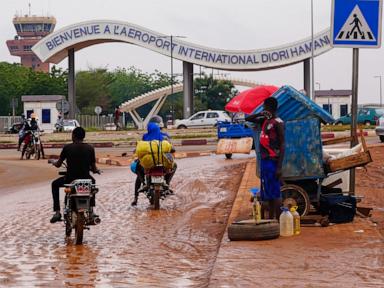
Then there's the economic shrapnel. The partial closure of the Strait of Hormuz hit Pakistan instantly. The country relies on the Gulf for about 90 percent of its oil imports. The naval blockade triggered a massive domestic fuel crisis, forcing the government to enforce a four-day workweek and shut down schools just to conserve fuel. The Pakistan Super League even had to be played in empty stadiums because there wasn't enough power to keep the lights on for crowds.
If a country is one shipping disruption away from total darkness, its foreign policy isn't strong. It's vulnerable.
The Balochistan Tinderbox
The real threat isn't just external fuel lines. It's the volatile, neglected borderlands of Balochistan. Both Islamabad and Tehran face intensifying insurgencies in their respective Baloch majority provinces. For decades, they've traded blame, accusing each other of harboring militants.
Right now, the Pakistani side of Balochistan is experiencing a full-scale rebellion. Insurgents have leveled up, showing off coordinated tactics, better weaponry, and the ability to strike heavily fortified security targets. Just recently, dozens of security personnel were killed in a matter of days.
Instead of addressing the deep economic grievances of the province—which is rich in natural gas but remains the poorest in the country—Islamabad has doubled down on crackdowns and political repression. Prominent local activists face life sentences in anti-terrorism courts. This heavy-handed domestic approach backfires along the frontier. When internal unrest flares up inside Iran, the border districts go on high alert out of pure fear that violence will spill over.
The Saudi Squeeze
To understand why this relationship is permanently broken, you have to look at Riyadh. Pakistan signed a Strategic Mutual Defence Agreement with Saudi Arabia, committing to view aggression against the Kingdom as aggression against itself.
When Iran launched retaliatory drone and missile strikes that hit Gulf states, Islamabad found itself in an impossible strategic bind. Sharif had to rush to Jeddah to reassure Crown Prince Mohammed bin Salman of full solidarity, all while trying to host Iranian diplomats back home.
This isn't clever balancing. It's a high-wire act with no safety net. The moment Saudi Arabia demands actual defensive military assistance, Pakistan's fragile neutrality evaporates.
What Needs to Happen Next
If Pakistan wants to avoid getting dragged down by its western neighbor, it has to pivot immediately.
First, lock down the borders properly. Vague defense talks and high-level photo-ops don't stop cross-border militancy. Pakistan needs a permanent, institutionalized joint border mechanism with Iran that functions independently of whoever is winning or losing the war in the Middle East.
Second, fix Balochistan internally. You cannot secure a border when the local population feels economically colonized and politically erased. Drop the heavy-handed security state tactics, engage with authentic local leadership, and ensure local communities actually see the revenue from their own natural resources. Security starts with domestic stability.
Third, aggressive energy diversification is overdue. Relying on a single volatile marine corridor for nearly all your oil is a fast track to economic suicide. Pakistan must rapidly scale up domestic green energy alternatives and secure overland energy partnerships to break its crippling dependence on the Gulf.
Mediation might look great on the evening news, but hosting peace talks doesn't fix a broken frontier. Until Islamabad faces its deep structural weaknesses at home and along the border, its Iran problem will remain an active threat.