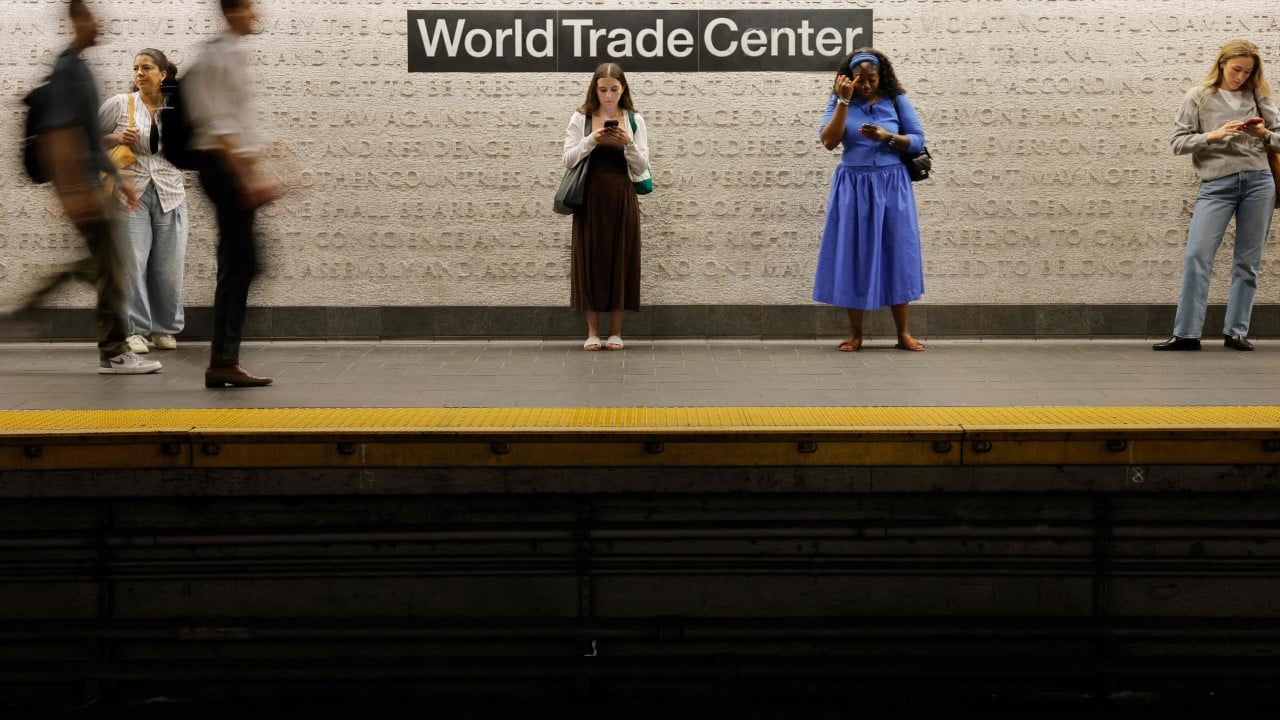
Stolen phones get headlines. Shoved straphangers get local news clips. Quietly, vulnerable transit users absorb a different reality underground.
When NYPD transit leadership points to aggregate crime drops or flatlines, elderly New York City subway riders experience a brutal skew. Official stats talk about per-million-rider averages. Grandmas walking down concrete steps with a rolling cart don't care about per-million math. They care about narrow platforms, missing transit cops, and the physical cost of a single unprovoked shove.
The Disconnect Between Police Briefings and Platform Reality
Transit Chief Joseph Gulotta noted that assaults on police, MTA staff, and older riders drive a massive slice of felony transit violence. Combine those three groups and you cross nearly half of all reported felony assaults on the rails.
Police math is accounting. Human math is survival.
If overall major crimes drop or hover flat, vulnerable groups don't feel statistical relief. Seniors move slower. They possess lower bone density. A routine chest bump that leaves a teenager shaken can break a hip for a seventy-year-old rider. Systemic risk analysis ignores biological fragility.
Why General Safety Data Lies to Seniors
- Aggregates mask clusters: Station-specific hotspots matter more than citywide averages.
- Underreporting is high: Many elderly victims or families view minor intimidation or grabs not worth the police station marathon.
- Evacuation lag: A platform without working elevators forces older commuters into bottlenecks where harassment escalates.
What Actually Happens Underground
Imagine standing at a subterranean transfer point during the 4:00 PM rush. Trains roar in. Wind hits you. Younger commuters weave through steel turnstiles and sprint for closing doors like linebackers.
You're holding a cane or leaning on a handrail.
If someone stumbles, swings wide, or decides to test boundaries, you absorb kinetic force you can't outrun. Law enforcement talks about surge deployments and bag checks. Bags aren't the vulnerability. Balance is. Straphanger density is.
Real Structural Fixes vs. PR Bandages
More officers at major transit hubs look great on press releases. They rarely stand on the middle-tier mezzanine of an older Brooklyn IRT station at noon on a Tuesday.
If you care about elderly transit safety, stop measuring success by quarterly crime rate dips. Change the physical environment:
- Mandatory vertical transit maintenance: Broken elevators trap older riders on high-traffic mezzanines or force dangerous staircase navigation.
- Dedicated low-density resting zones: Benches away from platform edges give slower riders a place to wait without standing in the flow of traffic.
- Targeted escort partnerships: Expand senior-focused transit navigation or volunteer buddy programs for medical and grocery runs.
Stop Pretending Averages Protect People
Numbers don't bleed. Straphangers do.
If nearly half of felony violence hits police, transit workers, and seniors, treat the system like a high-risk hospital ward, not a commuter theme park. Stop telling older New Yorkers that the system is statistically safer than it was five years ago.
Build infrastructure for the bodies that actually ride. Or watch the demographic that built the city stop showing up at the turnstile.
Map your route before you leave. Avoid peak crush hours. Stay anchored against interior pillars, never near the platform edge. If the elevator's out, skip the station.