Washington is moving closer to giving President Donald Trump the legal power to slap up to 100% secondary tariffs on countries buying Russian oil and gas, putting major buyers like India squarely in the crosshairs.
The US House of Representatives recently passed the Lindsey O. Graham Sanctioning Russia and Iran Act of 2026 by a vote of 262 to 159, following an 86-11 landslide in the Senate. While the Senate version kept things broad by targeting the top five importers of Russian hydrocarbons without naming them, a House amendment pushed by Democratic Congressman Steny Hoyer explicitly put countries like India and China on notice.
So, what does this actually mean for New Delhi? Let's break down the mechanics of the bill, why it's happening now, and whether those heavy tariffs are bound to happen.
What the Bill Actually Does
The legislation doesn't automatically trigger a 100% tariff the second it gets signed. Instead, it creates a mechanism that grants the US President sweeping authorization to levy these punitive duties on nations maintaining energy trade with Moscow.
Targeting Russia's primary revenue streams has been a core objective for Washington and its allies since the war in Ukraine began. Apart from the tariff provisions, the bill aims to clamp down on Russian leadership, banks, and the infamous "shadow fleet" of tankers used to skirt existing Western oil caps.
The inclusion of India isn't a shock to trade analysts. Ever since Western sanctions isolated Russian crude markets, Indian refiners have snapped up discounted barrels, keeping domestic inflation manageable while maintaining a strategic balancing act between Western partnerships and historic ties with Moscow.
India's Stance and Energy Security
New Delhi hasn't flinched. The Ministry of External Affairs made it clear that ensuring energy security for a population of 1.4 billion people remains the absolute priority.
India's strategy relies on diversified sourcing and agility in the face of shifting market dynamics. Stopping Russian oil imports overnight would force Indian refiners back into a hyper-competitive Middle Eastern spot market, spiking domestic fuel prices instantly. Economists know that political optics in Washington rarely override the harsh math of domestic inflation in developing nations. New Delhi has consistently communicated these red lines to US interlocutors.
The Domestic Political Battle in Washington
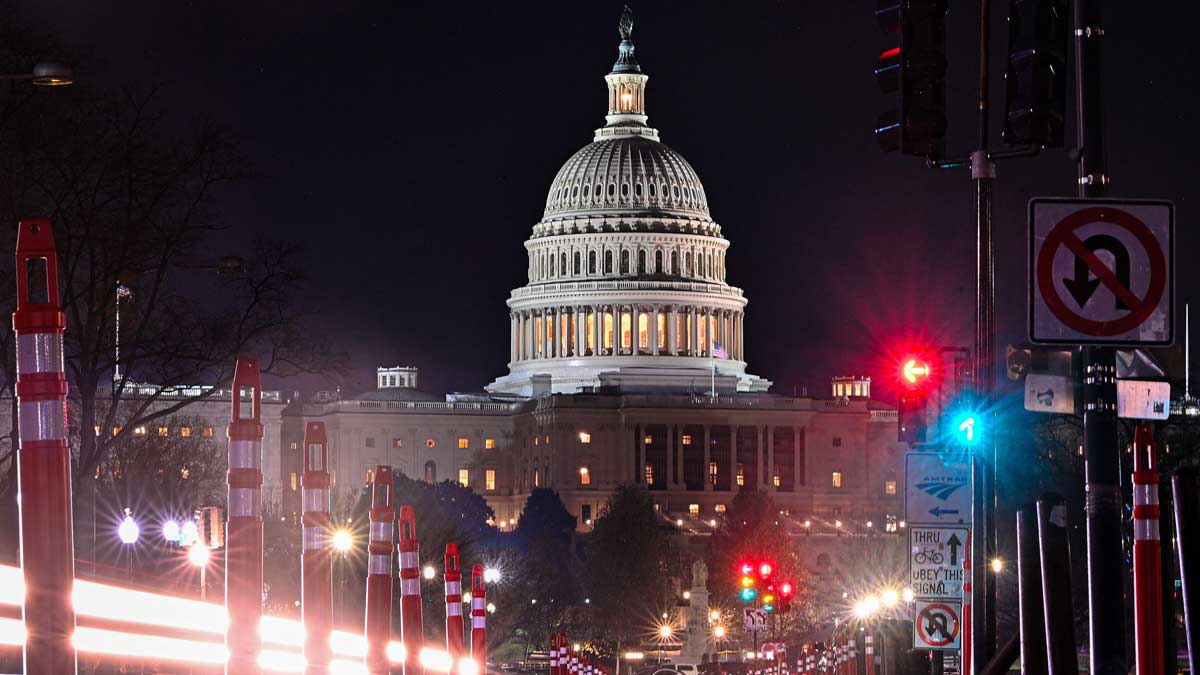
The path of this bill hasn't been smooth. Capitol Hill saw sharp divisions before the House vote, particularly among Democrats.
Lawmakers like Gregory Meeks argued that handing the executive branch unchecked tariff authority without strict guardrails could backfire, driving up global energy costs and hurting American consumers. Some lawmakers also tried to strip out the secondary tariff provisions entirely, warning that the legislation tries to do too much while failing to make primary sanctions fully mandatory.
Despite the pushback, the measure cleared procedural hurdles when a handful of Democrats crossed party lines to side with Republicans, sending the bill forward to President Trump's desk for his signature.
What Happens Next
Trump now holds the legislative card to deploy these tariffs if he chooses, but utilizing them will involve heavy diplomatic calculus. Slapping 100% tariffs on the world's fastest-growing major economy over energy purchases risks fracturing broader geopolitical alliances in the Indo-Pacific, where Washington relies heavily on partners like India to counter regional threats.
For now, the Ministry of External Affairs is monitoring the implementation phase closely. Expect quiet backroom diplomacy to take center stage as both sides figure out whether this bill becomes an active trade weapon or remains a legislative hammer used primarily for leverage.
Track official notifications from the US Federal Register and statements from the Ministry of External Affairs to gauge whether executive enforcement steps follow the bill's enactment.