Foreign intelligence networks aren't just spying from the shadows anymore. They are actively hiring local contractors on U.S. soil to conduct surveillance and execute deadly hits.
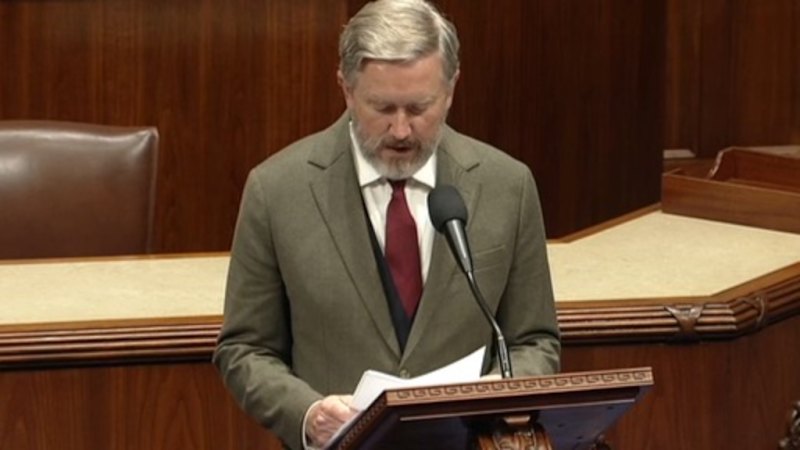
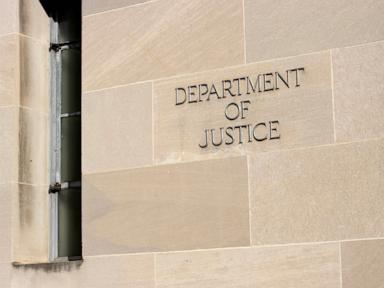
The U.S. Department of Justice unsealed an explosive indictment targeting a five-person network linked directly to Russian intelligence services. Attorney General Todd Blanche and FBI Director Kash Patel laid out the details during a public announcement. The charges detail a chilling reality. Foreign operatives are treating American neighborhoods as hunting grounds for dissidents.
If you think geopolitical conflicts stay thousands of miles away across the ocean, you are dangerously mistaken.
Inside the Russian Intelligence Network Indictment
The indictment focuses on a group investigators call the RIS Network. Operating since at least 2024, this shadowy apparatus coordinates attacks, targeted killings, and infrastructure sabotage across the globe. They don't just target Ukraine's allies in Europe. They cross into North America to silence critics.
Federal prosecutors named five specific defendants who remain at large:
- Yuri Khrameev, a 63-year-old former colonel in Russian intelligence.
- Kirill Khrameev, a 27-year-old officer in the Federal Security Service (FSB) and son of Yuri.
- Oemis Romagoza Durruthy, 35, and Yaidel Delgado Suarez, 35, both Cuban nationals.
- Angel Eduardo Castro, a 22-year-old Venezuelan national.
These individuals are facing severe federal counts. All five face conspiracy to finance terrorism, which carries a maximum prison sentence of 20 years. Yuri Khrameev, Suarez, and Castro also face conspiracy to commit murder-for-hire, stacking on another potential decade behind bars.
The Anatomy of a Busted Hit
How does a foreign spy ring operate inside the United States? They outsource.
According to court documents, the network recruited local residents to do their dirty work. This past summer, the operation zeroed in on a prominent Russian dissident living in the Washington, D.C. area. Suarez and other associates allegedly approached a U.S.-based resident.
The playbook started small. They offered $1,000 to $1,500 just to take photos and videos of specific locations connected to the target. The unsuspecting or compliant local recruit completed the surveillance task. Emboldened, the handlers escalated. They offered a staggering $40,000 to "eliminate" or "disappear" the dissident.
Fortunately, the target survived. The recruit declined to carry out the murder.
Yet, this wasn't an isolated incident. Investigators uncovered a similar scheme from the previous year. Yuri Khrameev allegedly offered roughly $25,000 to a U.S. recruit to murder an individual residing in Lithuania, following initial surveillance of the target's home.
Beyond individual assassinations, the same network allegedly coordinated sabotage attacks against civilian and military infrastructure in European countries backing Ukraine, including operations in the Czech Republic and Lithuania.
Why Transnational Repression Is Surging Now
Authoritarian regimes are growing bolder. They no longer care about diplomatic norms or sovereign borders. When dissidents flee to democratic nations like the United States, they expect safety. Dictatorships view that safety as an intolerable threat to their grip on power.
Transnational repression is the modern tool of choice for silencing opposition. Instead of sending elite hit squads that draw immediate attention, intelligence agencies use proxy networks. They recruit third-country nationals—like the Cuban and Venezuelan operatives named in this indictment—to move money, manage logistics, and recruit local assets.
It creates a firewall of deniability. Until federal law enforcement steps in.
The FBI's counterintelligence divisions have had to adapt rapidly. Stopping these plots requires tracking digital money trails, encrypted communications, and sudden international wire transfers before a contract killing turns from a conspiracy into a tragedy.
What Happens Next
The Kremlin has predictably shrugged off the allegations. Kremlin spokesman Dmitry Peskov told reporters that Moscow sees no need to comment until concrete, tangible evidence is presented, flatly denying any involvement in foreign assassination plots.
Meanwhile, the five indicted suspects remain at large, likely sheltering within borders beyond the immediate reach of U.S. extradition treaties. They won't see a courtroom anytime soon unless they slip up and travel to a cooperative jurisdiction.
For ordinary citizens and political exiles alike, the takeaway is stark. The front lines of international conflict run right through our local communities. Stay alert, report suspicious foreign recruitment attempts to federal authorities immediately, and understand that digital dissent carries physical risks in an increasingly hostile world.
US charges five people in alleged Russian-backed murder plots
This video provides a detailed news breakdown of the unsealed Department of Justice indictment exposing Russian intelligence agents involved in global assassination plots.