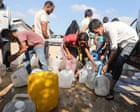
High up in the Himalayas, the ice isn't just melting. It's screaming. Mountain communities are watching centuries-old glaciers fracture, turning peaceful valleys into deadly execution grounds overnight.
If you look at global carbon emissions maps, Nepal barely registers as a blip. Yet, this South Asian nation is currently enduring a catastrophic climate breakdown. Flash floods sweep away entire villages, bridges shatter like toothpicks, and families lose generations of history in minutes. It is a brutal, undeniable injustice. The people polluting the atmosphere the least are paying the highest price in blood and treasure.
Let's cut through the standard political rhetoric. What is actually happening on the ground in Nepal? And more importantly, why should the rest of the world care before it's too late?
The Anatomy of a Mountain Catastrophe
Glacial lake outburst floods, known as GLOFs, sound like technical scientific jargon. They aren't. They are ticking water bombs.
As global temperatures climb, melting ice fills high-altitude basins faster than natural moraine walls can hold. When those walls fail, millions of cubic meters of water rush downward with terrifying velocity. Entire ecosystems vanish. Farmlands turn into grey gravel pits.
- Glaciers are retreating at unprecedented rates across the Hindu Kush Himalaya region.
- Unpredictable monsoon patterns dump months of rain in mere hours.
- Early warning systems remain severely underfunded, leaving remote villages blind to incoming walls of water.
You cannot negotiate with a wall of mud and rock. When the flood hits, infrastructure collapses instantly. Hydroelectric plants—the backbone of local energy independence—get pulverized. Roads turn into cliffside drops. The economic recovery bill reaches hundreds of millions of dollars for a country already fighting uphill economic battles.
The Myth of Local Accountability
Politicians love to talk about local resilience and adaptation strategies. It sounds proactive. It shifts the burden.
Blaming local Nepalese farmers or regional governments for building too close to rivers misses the entire point. When your country is shaped like a vertical staircase of mountains, flat land is scarce. People build where they can farm. They settle where they can survive.
Telling mountain communities to relocate away from flood zones is a cruel joke when there is nowhere else to go. The root cause isn't poor zoning laws. It is industrial emissions originating thousands of miles away in major global economies.
Nepal contributes a fraction of one percent to global greenhouse gas emissions. Their carbon footprint is virtually invisible. Yet their risk profile sits at the very top of global vulnerability indexes.
Accountability and the Demand for Climate Justice
The conversation has shifted from polite diplomatic requests to raw anger. International forums are facing hard questions. When a small nation loses its future to global warming, who pays the bill?
Loss and damage funding has been a buzzword at climate summits for years, but the actual money moving to places like Nepal is a drop in the bucket. Bureaucratic red tape strangles emergency aid. Meanwhile, major industrialized nations treat climate finance as charitable foreign aid rather than a debt-driven obligation.
If you burn down your neighbor’s house, you don't offer them a coupon for paint. You rebuild the entire structure. Global superpowers owe Nepal a debt that goes far beyond basic disaster relief.
What Needs to Happen Right Now
We need to stop treating these disasters as isolated tragedies. They are systemic warnings.
- Immediate Financial Restructuring: Climate funds must bypass sluggish bureaucratic middlemen and reach frontline mountain communities directly.
- Advanced Infrastructure Upgrading: Rebuilding roads and bridges the old way is throwing money into the river. Engineering standards must adapt to high-risk thermal realities.
- Aggressive Global Emission Cuts: Every fraction of a degree matters. Slowing down warming at the global level is the only real defense left for the roof of the world.
The crisis in Nepal is a preview of coming attractions for the rest of the planet. Ignore it at your own peril.