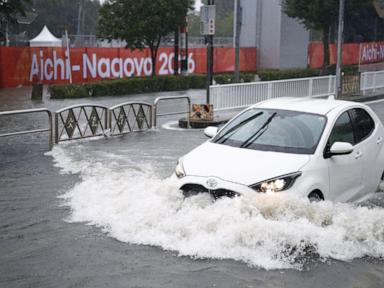
Record-setting rainfall recently paralyzed Nagoya, Japan, but let's clear the air right now: the upcoming Asian Games venues and the athletes already on site are completely safe. When torrential downpours submerge city streets just days before a massive global sporting event, panic spreads fast. You've probably seen the headlines about flooded neighborhoods and suspended subways, leaving many to wonder if the multi-sport competition will face delays or cancellations.
The short answer is no. According to Nagoya Mayor Ichiro Hirosawa, the massive continental event remains firmly on track.
What Actually Happened on the Ground in Nagoya
Heavy rains battered central Japan, triggering flash floods, stranding vehicles, and forcing roughly 3,500 local residents into emergency evacuation centers. Public transportation took a heavy hit as city buses and subway lines temporarily ground to a halt.
For a brief window, early arrivals for the games caught the brunt of the weather chaos. Roughly 400 athletes and team officials—housed in unique temporary accommodations built from remodeled shipping containers—had to be temporarily relocated to higher ground. That evacuation order lifted after about two hours once water levels receded.
Aside from minor roof leaks in a few buildings, structural inspections across the dozens of designated competition venues confirmed zero major damage.
Scale of the 2026 Asian Games
To understand why keeping this event on schedule matters so much, you have to look at the sheer scale of the operation. Scheduled to run from September 19 through October 4 across Nagoya and surrounding prefectures, this competition is an absolute behemoth.
More than 11,000 athletes hailing from 45 different countries and regions across Asia are registered to compete. To put that number into perspective, it actually outpaces the competitor turnout at the Paris Summer Olympics, which drew about 10,700 athletes. Managing logistics for a crowd of that size requires military-grade precision, meaning a weather scare like this puts municipal emergency plans to the ultimate test.
Weather Resilience in Japanese Infrastructure
Japan's disaster management protocols aren't built on luck; they rely on heavy redundancy and rapid response systems. When historic rainfall hits urban centers like Nagoya, municipal teams typically spring into action to divert water and secure public infrastructure.
While watching shipping container housing units get evacuated sounds dramatic, it proves the temporary systems worked as intended. The housing held up structurally, and officials moved people out of an abundance of caution rather than facing a catastrophic structural failure.
Mayor Hirosawa addressed reporters directly to squash rumors of delays, stating that officials harbor zero doubts about the condition of the venues.
What Next for Fans and Travelers
If you're heading to Japan for the competitions, don't cancel your flights. Transit networks have largely resumed normal operations, and municipal crews have cleared major roadways.
Keep an eye on local transit alerts if you're navigating Nagoya's subways over the next few days, as minor maintenance checks on underground lines can occasionally cause brief delays. Pack appropriate rain gear, download a reliable local transit app, and expect the games to kick off right on schedule.