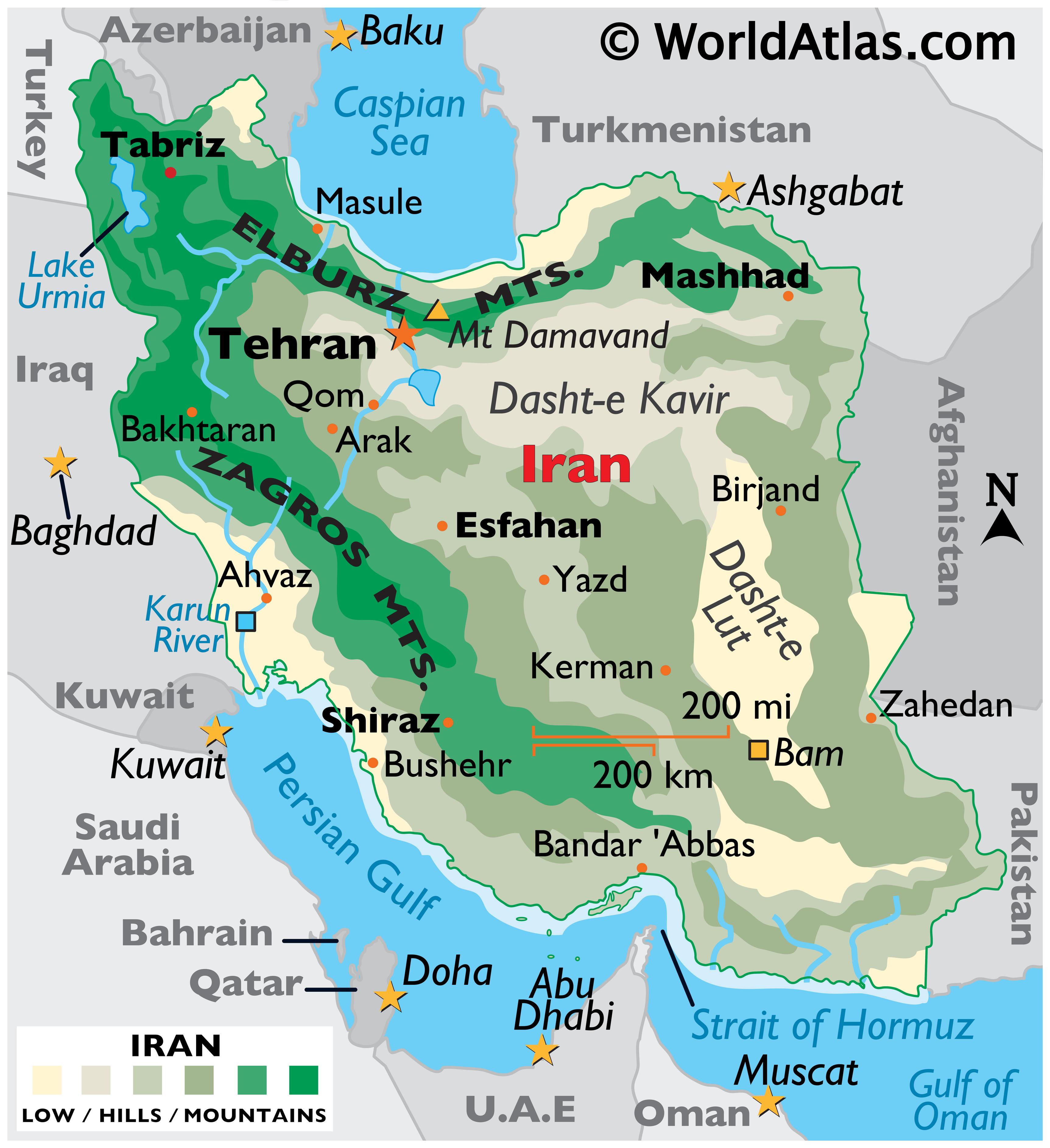
If you are planning to fly through the Middle East right now, you need to check your flight status immediately. Escalating regional hostilities, marked by recent US strikes on Islamic Revolutionary Guard Corps targets and subsequent retaliatory moves, have thrown international aviation into total chaos.
Governments and embassies across the region are issuing urgent warnings. If you are stuck navigating this mess, you are likely wondering what your rights are and how long these disruptions will last. Let's break down what's actually happening in the skies and how to protect your travel plans.
The Reality Behind Regional Airspace Closures
When military operations escalate between Washington and Tehran, civilian aviation pays the price almost instantly. Airspace safety margins shrink to zero when missiles and drones cross paths with commercial airliners.
Major aviation authorities and regional governments have implemented strict emergency protocols. Key transit hubs connecting Europe, Africa, and the West to Asia face sudden restrictions or partial shutdowns.
- Sudden Rerouting: Airlines flying over the Middle East are forced to divert south over Saudi Arabia or take much longer detours.
- Fuel and Time Penalties: These detours add hours to flight times and burn through extra fuel, forcing carriers to reevaluate entire schedules.
- Hub Vulnerability: Major airports in the Gulf region remain highly sensitive to security alerts, leading to ripple effects worldwide.
What Airlines Are Doing Right Now
Major international carriers aren't taking any chances. Delta Air Lines, United Airlines, Emirates, Qatar Airways, and European carriers like Air France and KLM have repeatedly adjusted schedules, suspended routes to high-risk areas, or issued broad ticket waivers.
If your itinerary touches the region, expect short-notice cancellations. Airlines are prioritizing safety, but customer service queues are jammed. Do not head to the airport unless your carrier explicitly confirms your flight is operating.
How to Handle Your Travel Disruptions
Don't wait for your airline to email you if you suspect your route is compromised. Take immediate control of your itinerary.
- Check Flight Trackers: Use services like Flightradar24 to see if planes are actually moving through your intended route.
- Leverage Waiver Policies: Most major carriers are offering free rebooking or refunds for affected dates. Take advantage of these policies before seats on alternative routes disappear.
- Contact Your Provider Direct: Skip third-party booking sites if you need an emergency rebook. Dealing directly with the airline gets you faster results.
Stay vigilant, keep your notifications turned on, and prepare for extended delays as the diplomatic and security situation continues to shift day by day.
Airlines suspend and reroute flights after Iran attacks U.S. ...
This video provides a direct look at how major airlines immediately respond to regional airspace closures and flight disruptions following military escalations.


