Geographic reality means Canada shares a massive border with the United States, but political reality means Ottawa can no longer trust its southern neighbor. When trade policy turns into economic warfare and presidential threats target basic national sovereignty, sitting back isn't an option. Prime Minister Mark Carney didn't wait for things to improve. Instead, he took Canada's economic future straight to the European Parliament in Strasbourg, embracing a historic push to make Canada the European Union's first associate member.
For decades, Canadian trade policy operated on autopilot. Roughly 70% of all Canadian exports crossed the border into the United States, creating an asymmetrical dependency that Washington is now weaponizing. Tariffs are no longer just about protecting domestic industries; they are being used as direct leverage to extract political concessions. Carney recognized this systemic rupture earlier than most leaders, opting to build a defensive economic wall by tying Canada tighter to Europe.
Moving Beyond Simple Trade Agreements
The strategy isn't just about selling more lumber or manufactured goods across the Atlantic. Canada and the European Union already share a sprawling trade framework through CETA, but Carney wants a fundamentally different architecture. He envisions deep institutional integration covering critical minerals, artificial intelligence, energy security, and payment sovereignty.
Look at what's already changing on the ground. Earlier this year, Canada became the sole non-European country to join the bloc's massive defense procurement initiative, the SAFE program. That move gave Canadian defense contractors a direct pipeline into European military supply chains as European nations ramp up spending.
Now, the ambition stretches into everyday life. Discussions are underway to explore reciprocal arrangements that would give young Canadians and Europeans greater freedom to live, study, and work across jurisdictions without restrictive visa hurdles. Proposals even include Canadian participation in the Erasmus education network.
The Pushback from Washington
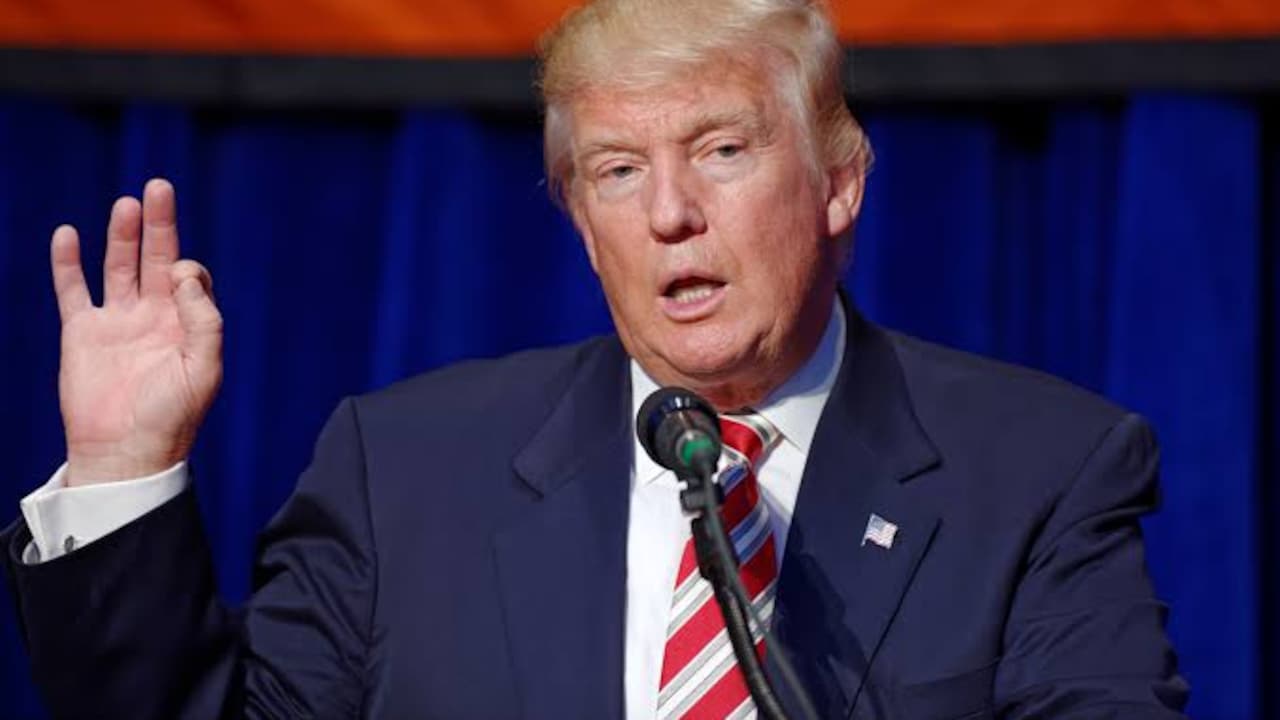
Unsurprisingly, Donald Trump hasn't looked kindly on Ottawa's European pivot. The U.S. president openly suggested that a formal associate membership arrangement could be interpreted as a hostile act, warning of severe tariffs against European goods if the bloc pursues closer integration with Canada.
Yet Carney's calculus is straightforward. He has repeatedly warned that middle powers negotiate from weakness when they stand alone against an economic superpower. By coordinating with Brussels, Ottawa aims to create collective resilience rather than self-sufficiency. It is a calculated bet that enduring a trade dispute with Washington is safer than surrendering national sovereignty to it.
European lawmakers have taken notice of Canada's spine. While European capitals often chose to absorb U.S. tariffs of up to 15% rather than retaliate, German and French politicians have openly praised Carney for saying out loud what many European leaders only whisper behind closed doors.
What This Means for Businesses and Workers
If you're running a business in North America, ignoring this shift is a massive mistake. Supply chains are bifurcating in real-time. Companies that rely entirely on cross-border North American trade are scrambling to hedge their bets by establishing footholds within European markets.
Carney's economic strategy relies on positioning Canada as a safe harbor for international capital, offering corporate tax incentives and diversifying export markets to hit targets like doubling non-U.S. exports over the coming decade.
The upcoming Canada-EU summit in Montreal will hammer out the specifics of this new alliance. Expect details to crystallize around digital trade, raw material security, and technological research.
Diversify your operational exposure now. Audit your supply chain vulnerabilities if you depend heavily on single-market trade across the US-Canada border, and monitor how bilateral regulatory alignment with Europe unfolds over the coming months.