Foreign policy rarely changes overnight, but when prominent figures tie official state recognition to internal structural overhauls, the entire debate shifts. Mark Carney made institutional reforms a non-negotiable benchmark for Canadian recognition of Palestinian statehood. People are arguing over whether this condition is a practical roadmap for actual stability or just another diplomatic stall tactic.
Let's look at what these proposed reforms actually entail and where things stand right now.
The Core Demand for Structural Change
You can't just draw a map on a napkin and declare a functional state. Carney and other moderate voices argue that governance, financial transparency, and security protocols must transform before international recognition holds any real weight. The Palestinian Authority faces immense criticism regarding corruption, delayed elections, and a lack of democratic accountability.
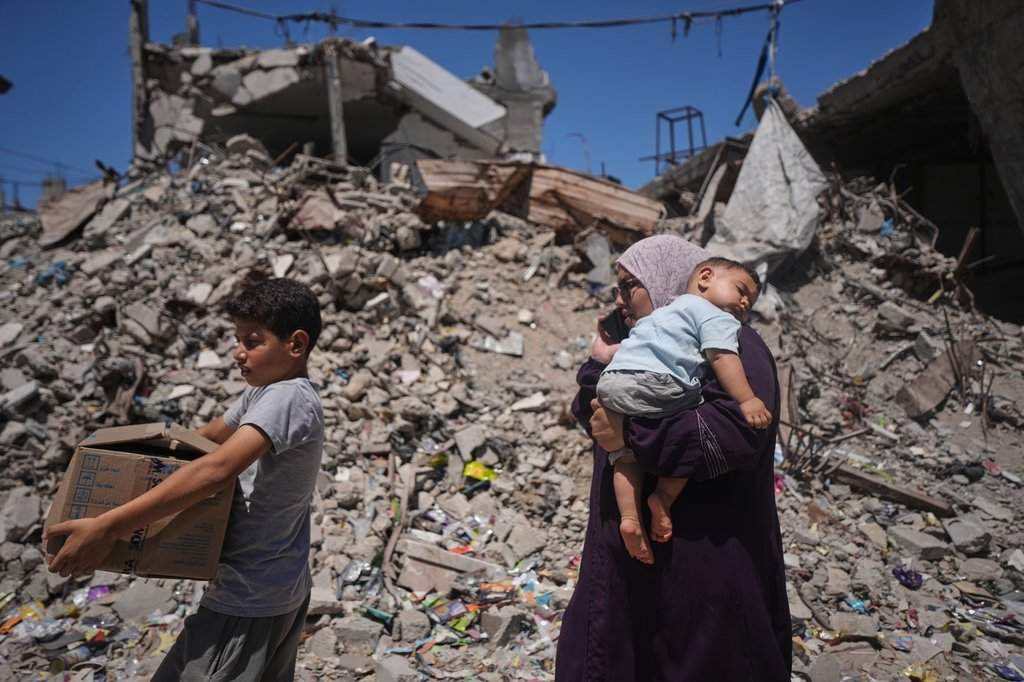
Critics of this approach say that demanding democratic perfection from a population living under military occupation is completely absurd. How do you hold free and fair elections when infrastructure is shattered and external forces control movement? Proponents of the reform-first model counter that without a transparent, accountable government ready on day one, international recognition creates a failed state rather than a viable nation.
Where the Palestinian Authority Stands on Reform
Internal pressure within the West Bank and Gaza has forced the Palestinian leadership to at least talk about structural changes. Prime Minister Mohammad Mustafa's administration introduced technocratic cabinet reshuffles and promised transparency measures to appease international donors.
Yet, translating promises into reality is tough.
- Anti-corruption oversight bodies lack real teeth.
- Security cooperation remains deeply unpopular among local populations who view it as a tool of the occupation.
- Civil society groups report that dissent is still heavily cracked down upon.
Without genuine internal buy-in, these reforms look like cosmetic changes designed solely to check Western boxes.
Canada's Balancing Act on the International Stage
Canada's diplomatic stance has always walked a tightrope. Ottawa traditionally votes alongside traditional allies while occasionally signaling support for a two-state solution. Bringing institutional reform into the conversation gives Canada a middle-ground position. It sounds pragmatic on paper, but it alienates both sides of the domestic political spectrum.
Some want unconditional recognition right now to signal moral leadership against ongoing violence. Others argue that any diplomatic concession toward a Palestinian state rewards terrorism or legitimizes unstable governance structures.
Carney's framing attempts to bypass this binary by making the argument about capacity rather than ideology. You build the house before you hand over the keys.
What Happens Next
If these reforms remain hollow talking points, the debate will stall out indefinitely. True institutional change requires pressure from both international partners and domestic citizens demanding accountable leadership. Keep an eye on actual benchmarks rather than press releases. Watch for verifiable electoral timelines and genuine judicial independence. If those don't materialize, the conversation around recognition will keep spinning in circles.