Canadian Prime Minister Mark Carney just delivered a speech in Strasbourg that sent shockwaves across two continents. While critics and political opponents back home are panicking over headlines about Canada becoming the twenty-eighth member of the European Union, the actual reality is far more nuanced. Ottawa isn't joining Europe as a full member state. Instead, Carney is executing a calculated pivot to hedge against mounting trade pressures and turbulent relations with the United States.
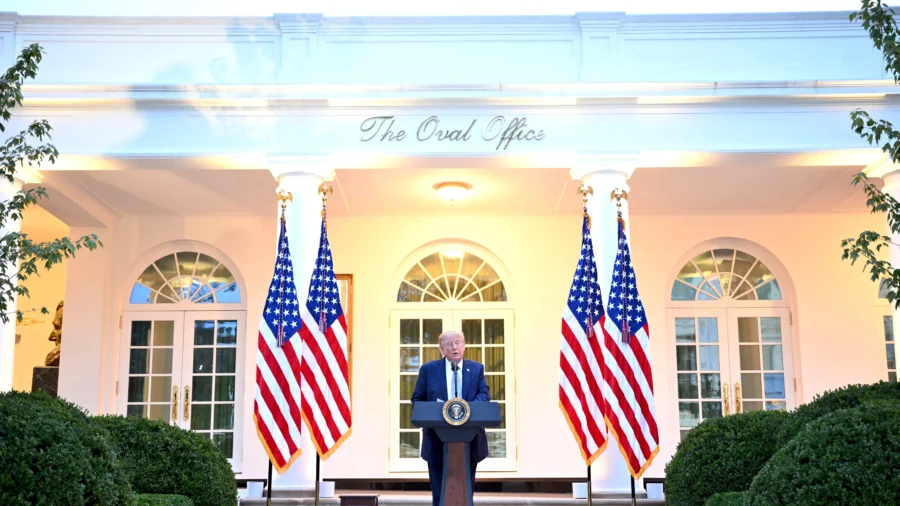
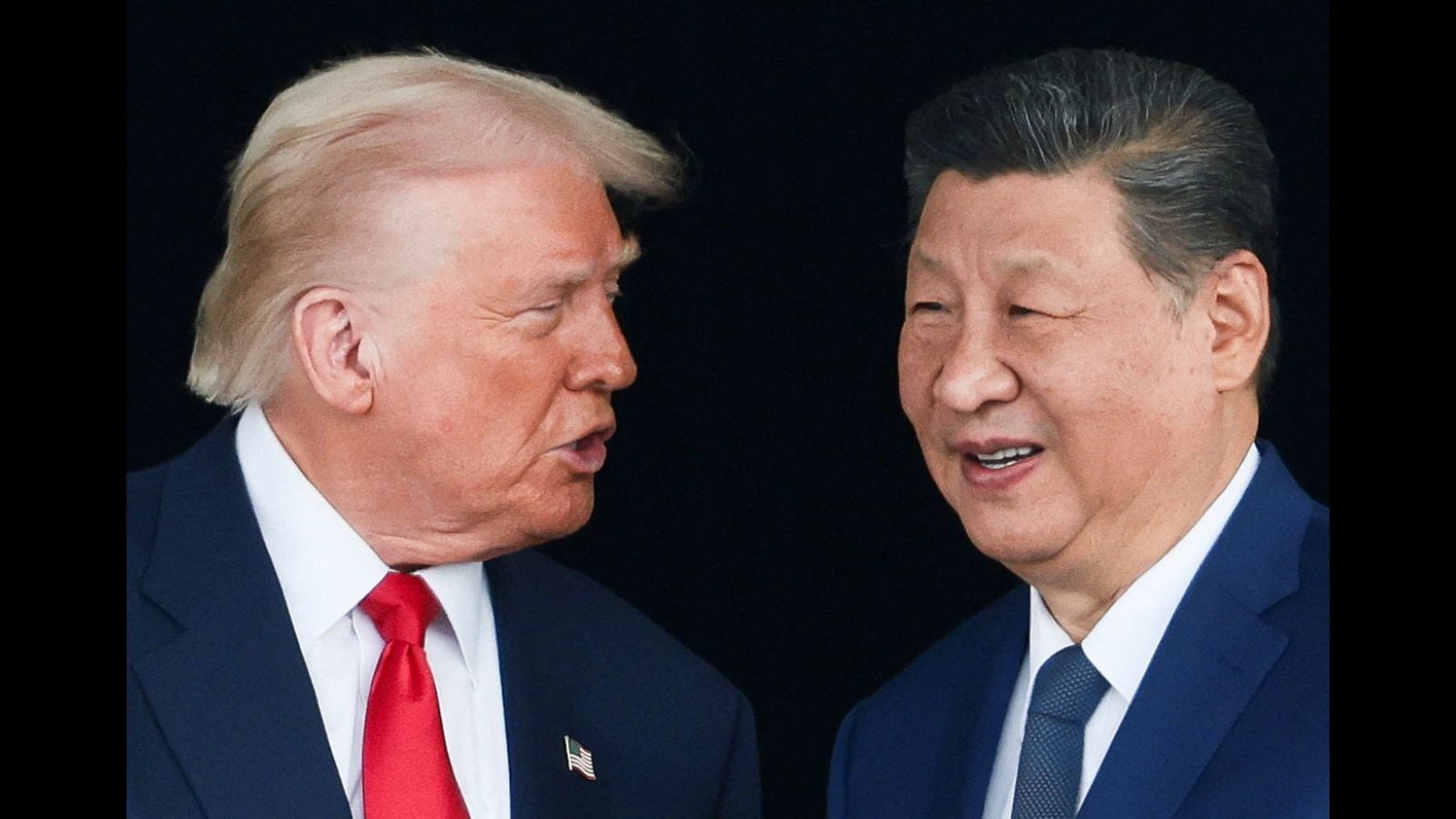
Let's look at what's actually happening behind the diplomatic theater. When European Commission President Ursula von der Leyen floated the idea of an unprecedented "associate membership" for Canada during her address, she sparked an immediate firestorm. Donald Trump quickly reacted, labeling the maneuver a hostile act and threatening heavy tariffs if Europe pushes too close to Canada. Meanwhile, domestic critics like Conservative Leader Pierre Poilievre jumped on X to warn Canadians about the risks of entangling themselves deeper in EU bureaucracy.
Yet, if you read past the catchy slogans, Carney's vision is about pragmatic security and economic diversification rather than surrendering Canadian sovereignty.
What Canada and the EU Actually Want
Canada doesn't want to adopt the euro, nor is Ottawa looking to sign up for the EU's single market freedoms that require total labor and capital alignment. Instead, the focus is hyper-specific. Both sides want to lock down concrete agreements on critical minerals, artificial intelligence, energy security, and payment sovereignty.
Think about the supply chain vulnerabilities exposed over the last few years. Relying too heavily on a single southern neighbor has become a dangerous gamble for Canadian businesses. By expanding cooperation into space technology, quantum computing, and joint Arctic strategies with European partners, Carney is trying to build a wider safety net.
The Real Roadblocks Ahead
Before anyone starts printing new maps, practical hurdles stand in the way. Take the existing Comprehensive Economic and Trade Agreement (CETA) signed back in 2016. Ten EU member states—including heavyweights like France, Italy, and Poland—still haven't fully ratified it nearly a decade later. If countries can't wrap up a standard trade pact, turning "associate membership" into legally binding reality will take years of brutal negotiations.
Contradictions exist on both sides of the Atlantic, too. While Carney talks up free trade in Strasbourg, Ottawa maintains strict "Buy Canadian" policies to protect domestic suppliers. Simultaneously, Brussels debates its own Industrial Accelerator Act, which demands strict "made in Europe" content requirements for public spending on green tech and electric vehicles. Protectionist instincts are hard to kill, no matter how warm the speeches sound.
What This Means for You
If you run a business or watch global markets, this shift signals a changing geopolitical baseline. The era of predictable, one-dimensional trade relationships is over. Middle powers like Canada are forced to diversify their alliances to survive unpredictable trade wars and shifting political winds in Washington.
Pay attention to how these bilateral talks materialize in specific sectors like critical minerals and digital trade rather than getting bogged down in political labels. The twenty-eighth state narrative makes for great television, but the actual policy changes happening on the ground are what will reshape North American commerce for the next decade.
Mark Carney's EU speech highlights Canada's shifting alliances
This video provides an in-depth look at Mark Carney's address to the European Parliament and how it marks a major shift in Canada's diplomatic strategy away from Washington.
http://googleusercontent.com/youtube_content/1